

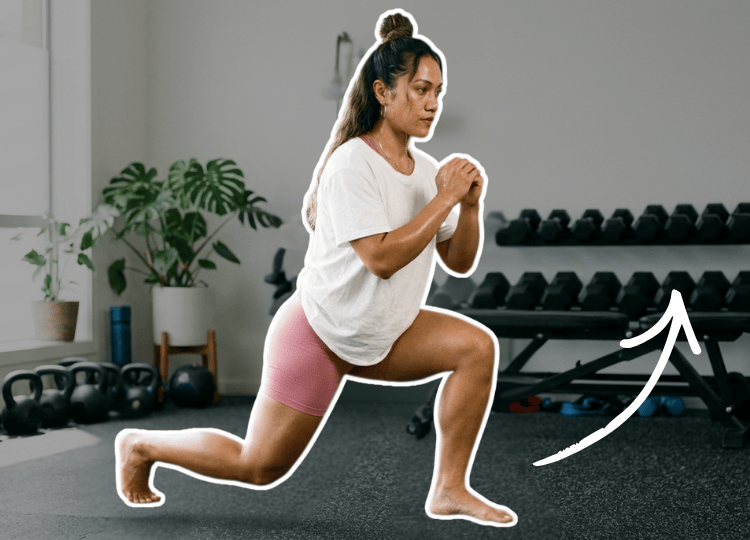
You do not need a gym, a barbell or a single piece of equipment to build genuine strength and fitness.
What you do need is a structured plan, a clear understanding of how to progress, and the consistency to follow it.
Bodyweight training has a strong and growing evidence base. Research comparing bodyweight-based resistance training with free weight training has found similar outcomes for muscle strength and hypertrophy when training variables are matched.
A 2024 study found that body mass-based resistance training produced comparable muscle thickness improvements to free weight training and additionally reduced intramuscular fat, which free weight training did not.
For most people, particularly beginners, the training method matters far less than the principles behind it.
This guide covers everything you need to understand and follow a 12 week bodyweight training plan from scratch, including how progressive overload works without weights, what the plan looks like week by week, and the key principles that determine whether training produces results.

Quick Summary
- Bodyweight training can build strength and muscle just as effectively as free weights when structured properly, making it a highly accessible and evidence-based option for beginners, home training, and long-term fitness.
- Progressive overload is the key driver of results, achieved without weights by increasing reps or sets, slowing tempo, reducing rest, or progressing to more challenging exercise variations over time.
- This 12-week plan follows a clear progression across three phases, starting with foundational movement quality, advancing to more challenging variations and tempo work, and finishing with strength-focused exercises that build real, transferable fitness.
Who is Bodyweight Training For?
Bodyweight training is genuinely suitable for most people, but it is particularly well suited to:
- Complete beginners. No prior strength training experience is needed and the risk of injury from poor loading decisions is significantly lower than with free weights. You learn fundamental movement patterns under manageable load before adding external resistance later if you choose to.
- Those training at home. No gym membership, no equipment, no commute. A clear floor space and a pull-up bar or sturdy table for rowing movements is all that is required for a comprehensive full body programme. An ai fitness app like GetFit AI can also help you structure and track your workouts from home.
- Those returning from injury or a long break. Bodyweight training allows very gradual loading progression that is difficult to achieve with fixed weight increments on a barbell.
- Those focused on functional fitness and longevity. Bodyweight movements develop relative strength, balance, coordination and joint stability alongside raw strength, all of which are highly relevant to long-term physical health and independence.
One honest caveat worth noting: for advanced lifters whose primary goal is maximal strength or significant muscle mass beyond an intermediate level, bodyweight training alone will eventually hit a ceiling. For this group it works best as a foundation or a complement to weighted training rather than the sole method.
The Most Important Principle: Progressive Overload
Progressive overload is the single principle that determines whether training produces results. It simply means making the training stimulus slightly harder over time, so the muscles continue to be challenged and continue to adapt.
With free weights, progressive overload usually means adding a small amount of weight to the bar each week. Without weights, the same principle is applied differently:
- Increase reps or sets. If you can do 3 sets of 10 push-ups comfortably, add a rep each session until you reach 15, then add a fourth set.
- Slow the tempo. A push-up with a 3 second lower and a 1 second pause at the bottom is significantly harder than a standard push-up at the same bodyweight. Time under tension increases the training stimulus without changing a single rep.
- Reduce rest periods. Doing the same work in less time is a form of overload that builds muscular endurance alongside strength.
- Progress to harder variations. This is the most powerful tool in bodyweight training. A standard squat progresses to a split squat, then a Bulgarian split squat, then a pistol squat. A push-up progresses to a decline push-up, then an archer push-up. Each variation increases the load on the target muscles without adding external weight.
The 12 week plan below uses all of these methods across three progressive phases.
12 Week Bodyweight Training Plan
The plan runs three days per week with at least one rest day between each session. This frequency allows adequate recovery for beginners while providing enough stimulus for consistent progress. Rest and active recovery days can include walking, light stretching or mobility work.
Each session follows a full body structure covering push movements, pull movements, hinge movements, squat patterns and core work. This ensures all major muscle groups are trained multiple times per week.
Phase 1: Weeks 1 to 4 – Foundation
The focus in the first four weeks is learning the movement patterns and building a base of strength and work capacity. Every rep should be performed with full control and good form. Do not rush through sets. The goal is quality, not speed.
Workout A
| Exercise | Sets | Reps | Rest |
|---|---|---|---|
| Bodyweight Squat | 3 | 10 | 60 sec |
| Incline Push-Up | 3 | 10 | 60 sec |
| Glute Bridge | 3 | 12 | 60 sec |
| Inverted Row (table or low bar) | 3 | 8 | 60 sec |
| Dead Bug | 3 | 8 each side | 45 sec |
| Calf Raise | 3 | 15 | 45 sec |
Workout B
| Exercise | Sets | Reps | Rest |
|---|---|---|---|
| Reverse Lunge | 3 | 8 each side | 60 sec |
| Push-Up (or incline if needed) | 3 | 8 | 60 sec |
| Hip Thrust (using sofa or bench) | 3 | 12 | 60 sec |
| Superman Hold | 3 | 10 | 45 sec |
| Plank Hold | 3 | 20–30 sec | 45 sec |
| Step-Up | 3 | 10 each side | 60 sec |
Progression for Phase 1: Each week, add 1 to 2 reps to each exercise. By week 4 you should be reaching 14 to 16 reps on most movements before moving to the next phase.
Phase 2: Weeks 5 to 8 – Development
Phase 2 introduces harder exercise variations, adds a third set to some movements and introduces tempo work. The incline push-up progresses to a standard push-up. The bodyweight squat progresses to a split squat. A 3 second lowering tempo is introduced on all lower body exercises.
Workout A
| Exercise | Sets | Reps | Tempo | Rest |
|---|---|---|---|---|
| Split Squat | 3 | 10 each side | 3 sec lower | 75 sec |
| Push-Up | 3 | 10 | Controlled | 60 sec |
| Romanian Deadlift (single leg, bodyweight) | 3 | 8 each side | 3 sec lower | 60 sec |
| Inverted Row | 4 | 8 | Controlled | 60 sec |
| Dead Bug | 3 | 10 each side | Slow | 45 sec |
| Calf Raise (single leg) | 3 | 12 each side | 3 sec lower | 45 sec |
Workout B
| Exercise | Sets | Reps | Tempo | Rest |
|---|---|---|---|---|
| Bulgarian Split Squat | 3 | 8 each side | 3 sec lower | 75 sec |
| Decline Push-Up | 3 | 8 | Controlled | 60 sec |
| Hip Thrust | 4 | 15 | 2 sec hold at top | 60 sec |
| Pike Push-Up | 3 | 8 | Controlled | 60 sec |
| Side Plank | 3 | 25–35 sec each | Hold | 45 sec |
| Step-Up (higher surface) | 3 | 12 each side | Controlled | 60 sec |
Progression for Phase 2: Add 1 rep per exercise per week. When a set of 12 feels controlled with the 3 second tempo, progress to the next harder variation.
Phase 3: Weeks 9 to 12 – Strength
Phase 3 shifts toward strength-focused work with lower reps, harder variations and reduced rest. The Bulgarian split squat progresses toward a pistol squat with assistance if needed. The push-up progression moves toward archer push-ups. This phase will feel genuinely challenging throughout.
Workout A
| Exercise | Sets | Reps | Tempo | Rest |
|---|---|---|---|---|
| Assisted Pistol Squat (using door frame) | 3 | 6 each side | 3 sec lower | 90 sec |
| Archer Push-Up | 3 | 6 each side | Controlled | 75 sec |
| Single Leg Romanian Deadlift | 3 | 10 each side | 3 sec lower | 60 sec |
| Inverted Row (feet elevated) | 4 | 8 | 2 sec hold | 60 sec |
| Dead Bug | 3 | 12 each side | Slow | 45 sec |
| Single Leg Calf Raise | 3 | 15 each side | 3 sec lower | 45 sec |
Workout B
| Exercise | Sets | Reps | Tempo | Rest |
|---|---|---|---|---|
| Bulgarian Split Squat | 4 | 10 each side | 4 sec lower | 75 sec |
| Decline Push-Up | 4 | 12 | 3 sec lower | 60 sec |
| Hip Thrust (single leg) | 3 | 12 each side | 2 sec hold | 60 sec |
| Pike Push-Up | 4 | 10 | Controlled | 60 sec |
| Side Plank with Hip Dip | 3 | 10 each side | Controlled | 45 sec |
| Jump Squat (or tempo squat if low impact needed) | 3 | 8 | Explosive | 60 sec |
Progression for Phase 3: Focus on completing every rep with full control and the prescribed tempo rather than chasing additional reps. By the end of week 12 you should be able to complete all sets cleanly before considering a more advanced programme.
Benefits of Bodyweight Training
Builds functional strength
Bodyweight movements develop strength in the patterns the body actually uses in everyday life, from getting up from the floor to carrying, lifting and moving. This functional quality is one of the most practical benefits of bodyweight training for long-term physical health.
Accessible and equipment-free
A clear floor space is the only requirement for most of this plan. A sturdy table, chair or low bar expands the pulling options considerably. No gym membership, no investment in equipment and no commute required.
Develops balance and coordination
Unilateral exercises like the single leg deadlift, Bulgarian split squat and step-up expose and address strength imbalances between sides. Research has shown that single leg bodyweight exercises improve knee stability and quadriceps-to-hamstrings coactivation, both of which are important for injury prevention.
Joint-friendly loading
Bodyweight training avoids the compressive spinal loading associated with heavy barbell work, making it a lower-risk option for those with existing joint sensitivities or those new to structured training.
Scales with ability
The same movement pattern can be made easier or harder through variation, tempo and leverage changes, making bodyweight training genuinely scalable from complete beginner to advanced athlete.
Things to Consider
- Warm up before every session. Five minutes of light movement, leg swings, arm circles and dynamic lunges before each session reduces injury risk meaningfully. Cold muscles are more prone to strain.
- Track your workouts. Without a record of what you did last session, progressive overload becomes guesswork. Note the exercise, sets, reps, tempo and how each set felt. This is what allows you to make informed progression decisions each week.
- Pulling movements require a surface. The inverted row, which is the primary back exercise in this plan, requires a sturdy table, a low bar or a set of gymnastic rings. If none of these are available, door frame rows or towel rows anchored around a door handle are practical alternatives. A pull-up bar significantly expands upper body pulling options once the basics are established.
- Nutrition and sleep matter. Research consistently shows that protein intake of 1.6 to 2.2g per kg of bodyweight per day and 7 to 9 hours of sleep per night are the two most important recovery factors for strength and muscle development. Training provides the stimulus. Sleep and nutrition provide the environment for adaptation.
- Do not skip the rest days. Muscles grow during recovery, not during training. Three sessions per week with adequate rest between them will produce better results than daily training that does not allow recovery.
Bottom Line
Bodyweight training is a legitimate and well-evidenced approach to building strength, developing functional fitness and improving body composition. It is not a compromise or a substitute for real training. It is real training with a different set of tools.
The 12 week plan above builds progressively across three phases, moving from foundational movement patterns in weeks 1 to 4 through tempo-focused development in weeks 5 to 8 to genuinely challenging strength work in weeks 9 to 12. Follow the progression guidelines, track your sessions and apply the same principles of effort and consistency that produce results in any other training context.
By week 12, the strength, body control and movement quality built through this plan will provide a solid foundation for whatever comes next, whether that is a second cycle of this programme with harder variations, the addition of dumbbells or kettlebells, or a more structured gym-based programme.
Related Articles
Strength Training for Over 50’s – Training Plan and Tips