

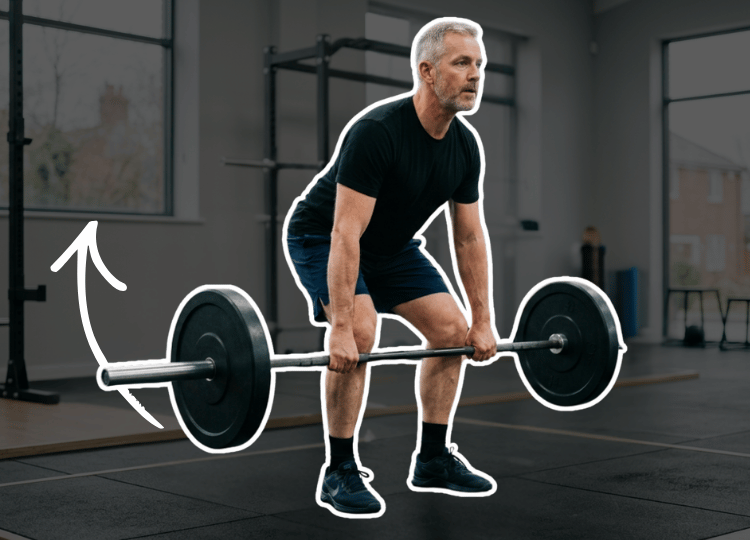
After the age of 50, strength training stops being optional.
Muscle mass and strength decline at roughly 15% per decade after the age of 50, a process that accelerates significantly after 70 if nothing is done to counter it. This is not just about aesthetics or gym performance.
Sarcopenia, the clinical term for age-related muscle loss, is directly associated with falls, hospitalisation, loss of independence and increased mortality. Over 50 million people globally are currently living with sarcopenia, a number expected to quadruple by 2050.
The good news is that the decline is not inevitable. Resistance training is associated with reduced all-cause and cancer-related mortality, and is superior to other forms of exercise for improving muscle mass, strength and function in older adults.
A 2023 network meta-analysis of 42 randomised controlled trials found that resistance training produced the largest improvements in quality of life of any single exercise type assessed for older adults with sarcopenia.
This is not about becoming a competitive powerlifter. It is about maintaining the physical capacity to live well, move confidently and stay independent for as long as possible.

Quick Summary
- Muscle mass declines at roughly 15% per decade after 50, but resistance training is the most effective intervention available for slowing this process and reducing mortality risk
- Two to three strength sessions per week is the research-backed optimal frequency for older adults, with meaningful results achievable in as little as 12 weeks
- The plan below is structured across three phases, progressing from foundational movement patterns to loaded compound exercises over 12 weeks
Why Strength Training Matters More After 50
The case for strength training in later life goes well beyond looking better. The research on its effects across multiple health domains is some of the most compelling in exercise science.
Muscle loss and sarcopenia
Sarcopenia does not begin at 50. The underlying process starts in the fourth decade of life and only becomes clinically significant once enough muscle has been lost to affect daily function.
By the time someone in their 60s or 70s notices they are struggling with stairs or getting up from a chair, the deterioration has been ongoing for decades. Starting strength training earlier, and maintaining it consistently, is one of the most effective ways to slow the trajectory.
Mortality and longevity
The relationship between muscle strength and mortality is one of the most consistently replicated findings in ageing research. A 2024 study published in the Journal of Cachexia, Sarcopenia and Muscle, drawing on data from 28 countries, confirmed that muscle strength is associated with all-cause mortality risk in a dose-response relationship: the stronger the individual, the lower the risk, across age groups and both sexes.
Grip strength, one of the simplest measures of overall muscle strength, has been described in the research as a new vital sign of health.
Bone density
Resistance training benefits bone health by reducing the risk of osteoporosis and fractures, which is particularly relevant after 50 when bone mineral density begins to decline more rapidly, especially in women following menopause.
Fall prevention
Falls are one of the leading causes of injury-related hospitalisation in older adults. Stronger legs, better balance and improved proprioception, all direct outcomes of consistent strength training, are among the most evidence-backed interventions for reducing fall risk.
Mental health and cognitive function
The same 2023 network meta-analysis found that resistance training produced the largest improvements in quality of life compared to other exercise modalities for older adults. Research has also linked grip strength to hippocampal volume, suggesting a relationship between muscular strength and cognitive health that extends well beyond the body.
Metabolic health
Muscle is metabolically active tissue. More muscle means a higher resting metabolic rate, better blood glucose regulation and improved insulin sensitivity. Losing muscle accelerates the metabolic changes associated with ageing. Maintaining and building it slows them.
What to Expect When Starting
If you have not done structured strength training before, or are returning after a significant break, a few things are worth knowing before you start.
The first four to six weeks will feel more like learning than training. The strength gains in this period come primarily from neuromuscular adaptations, your nervous system learning to recruit muscles more efficiently, rather than from increases in muscle size. This is normal and productive. Do not rush the load progression during this phase.
Soreness after the first few sessions is expected. Delayed onset muscle soreness, DOMS, typically peaks 24 to 48 hours after a session and resolves within a few days. It reduces significantly after the first two to three weeks as the body adapts.
Progress through consistency
Progress will come consistently if the training is consistent. A 2025 systematic review and meta-analysis found that resistance training significantly improved handgrip strength, gait speed, knee extension strength and functional performance tests in older adults with sarcopenia, with most meaningful changes visible within 12 weeks.
How to Structure Your Training
Frequency
Two to three sessions per week is the optimal frequency for most people over 50. This provides enough stimulus for adaptation while allowing adequate recovery between sessions. Recovery becomes more important with age, and the temptation to train more frequently in the early weeks is worth resisting.
Load and reps
A common misconception is that older adults should only use light weights and high reps. The research does not support this. A 2025 meta-analysis found that progressive resistance training, including moderate to heavy loads, significantly improved strength and function in older adults.
The key principle is progressive overload: starting at an appropriate load and increasing it gradually over time as the exercises become more manageable.
For most exercises, aim for 8 to 12 reps at a weight that is genuinely challenging for the final two to three reps of each set. If 12 reps feel easy, the weight is too light. If form deteriorates before reaching 8, the weight is too heavy.
Exercise selection
Compound movements that work multiple muscle groups simultaneously are the most time-efficient and functional choice. Squats, deadlifts, presses, rows and hip thrusts cover the full body and develop the strength patterns most relevant to daily life and fall prevention. Isolation exercises like bicep curls and calf raises have their place but should complement rather than replace the compound movements.
Rest between sets
Older adults benefit from slightly longer rest periods between sets than younger lifters, typically 90 seconds to 2 minutes for compound movements. This allows adequate recovery for the next set to be performed with full effort and good form.
12 Week Strength Training Workout Plan for Over 50s
The plan below is structured in three four-week phases, each building on the last. It runs three days per week. All exercises can be performed with dumbbells at home or in a gym with additional equipment.
Phase 1: Weeks 1 to 4 – Foundation
Focus on learning the movement patterns and building work capacity. Use light to moderate weights and prioritise technique over load throughout this phase.
| Exercise | Sets | Reps | Rest |
|---|---|---|---|
| Goblet Squat | 3 | 10–12 | 90 sec |
| Dumbbell Romanian Deadlift | 3 | 10 | 90 sec |
| Dumbbell Chest Press (floor or bench) | 3 | 10 | 75 sec |
| Dumbbell Bent Over Row | 3 | 10 each | 75 sec |
| Glute Bridge | 3 | 12 | 60 sec |
| Plank Hold | 3 | 20–30 sec | 45 sec |
Complete this session three times per week with at least one rest day between each session, for example Monday, Wednesday and Friday.
Phase 2: Weeks 5 to 8 – Development
Load increases modestly across all exercises. A second lower body exercise is added and a tempo component is introduced to increase time under tension.
| Exercise | Sets | Reps | Tempo | Rest |
|---|---|---|---|---|
| Goblet Squat | 3 | 10 | 3 sec lower | 90 sec |
| Dumbbell Romanian Deadlift | 3 | 10 | 3 sec lower | 90 sec |
| Reverse Lunge | 3 | 10 each | Controlled | 75 sec |
| Dumbbell Shoulder Press | 3 | 10 | Controlled | 75 sec |
| Dumbbell Bent Over Row | 3 | 10 each | 2 sec hold | 75 sec |
| Hip Thrust | 3 | 12 | 2 sec hold | 60 sec |
| Dead Bug | 3 | 8 each | Slow | 45 sec |
Phase 3: Weeks 9 to 12 – Strength
Heavier loads on the primary compound movements. Rep ranges reduce on the main lifts as intensity increases. This phase will feel noticeably more demanding than the first two.
| Exercise | Sets | Reps | Rest |
|---|---|---|---|
| Barbell or Dumbbell Squat | 4 | 6–8 | 2 min |
| Barbell or Dumbbell Romanian Deadlift | 4 | 8 | 90 sec |
| Dumbbell Chest Press | 3 | 8–10 | 90 sec |
| Dumbbell Shoulder Press | 3 | 8 | 90 sec |
| Dumbbell Row | 4 | 8 each | 75 sec |
| Hip Thrust | 4 | 10 | 75 sec |
| Plank or Dead Bug | 3 | 30–45 sec or 10 each | 45 sec |
Nutrition for Strength and Muscle
Training provides the stimulus for muscle growth. Nutrition provides the building blocks. The two work together, and neglecting one limits the returns from the other.
Older adults require 1.2 to 1.5g of protein per kg of bodyweight per day to counteract anabolic resistance and prevent muscle loss, which is significantly higher than the standard dietary guidelines of 0.8g per kg. This higher requirement reflects the reduced sensitivity of ageing muscle to protein intake, meaning more is needed to produce the same muscle protein synthesis response.
Spreading protein intake across three to four meals per day rather than concentrating it in one or two has been shown to optimise muscle protein synthesis in older adults. Sources include meat, fish, eggs, dairy, legumes and protein supplements if needed to meet the daily target.
Things to Consider
- Get medical clearance if needed. Those with existing cardiovascular conditions, joint replacements or other significant health concerns should consult their doctor before beginning a new strength training programme. For most people over 50 without serious health conditions, the risk of not training is considerably higher than the risk of beginning a well-structured programme.
- Warm up before every session. Five minutes of light movement and dynamic stretching before loading is non-negotiable. Joints and connective tissue take longer to warm up with age and are more susceptible to strain when loaded cold.
- Progress load gradually. The temptation to increase weight quickly when things feel manageable is one of the most common mistakes. A conservative progression of roughly 2 to 5% per week, or when a given weight feels well controlled across all sets, gives the tendons and connective tissue time to adapt alongside the muscles.
- Consistency matters more than intensity. Two or three moderate sessions per week, every week, for a year, will produce dramatically better results than six hard weeks followed by a long break. Building a sustainable routine is the most important variable in long-term strength development.
- Sleep supports adaptation. Muscle protein synthesis occurs primarily during sleep. Consistent 7 to 9 hours per night is as important to the results of a strength training programme as the training itself.
Bottom Line
The research on strength training for older adults is unambiguous. It is the most effective tool available for slowing muscle loss, reducing mortality risk, improving bone density and maintaining the physical capacity for independent living.
Starting at 50, 60 or even 70 is not too late. The adaptations the body makes to resistance training remain robust well into later life.
The 12 week plan above gives you a structured and progressive starting point across three distinct phases. Start at Phase 1 regardless of prior experience, follow the load progression guidance, prioritise technique over weight, and fuel the training with adequate protein.
The strength and resilience built across these 12 weeks will form the foundation for every phase of training that follows.
Related Articles