

We may earn a small commission on some links at no extra cost to you. Learn more.

Every few months, a personal training client asks me the same question in slightly different words. “Can you help me with my diet too?” And for a long time, my honest answer was: not really, not properly.
I knew enough to be useful. I knew what protein did, I understood energy balance, I could talk someone through the basics of eating around training. But I did not have a credential that gave me the framework, the vocabulary or the legal clarity to coach nutrition confidently.
More importantly, I did not have the behavior change tools to actually help someone change their eating habits long-term rather than just telling them what to eat.
Getting a nutrition certification changed that. It also took me down a rabbit hole I have spent years navigating on behalf of the trainers I now coach and mentor.
There are dozens of options, prices range from a few hundred to over a thousand dollars, and every provider claims to be the most comprehensive, the most recognized and the best value.
Below, I share my top picks and break down the pros and cons of each so you can find the one that actually fits your situation.
TOP NUTRITION COACH CERTIFICATIONS
IPTA
Best Overall.
NASM
Best for Behavior-Change Coaching.
ISSA
Best for Exam Support and Bundled Credentials
Why Trust Us? Review Process Explained
Here at Fitness Drum, we believe in editorial integrity and providing genuine value to our readers. For this review, we used and tested 10+ leading nutrition coach certifications (details at the bottom of the article), and evaluated them on online delivery format, mobile platform quality, exam delivery, accreditation and total cost.
Meet the “Reviewer”
I’m Jen, a certified personal trainer and fitness coach with almost 20 years of experience working with clients in person and online. I specialize in strength training, nutrition and holistic health.
I’ve personally enrolled in, studied for, and completed the exams for all of the major personal training certifications recently to better understand how they compare. Rather than listing every certification available, I’ve focused on the ones you’ll probably come across when searching for a nutrition certification, aiming to provide some useful comparisons and insights.
If you found this review helpful, feel free to send me an email. I’d love to hear your thoughts and experiences as well.

Nutrition Coach vs Registered Dietitian: Scope of Practice
Before choosing a certification, it is worth understanding where the scope of practice for a nutrition coach ends and where a registered dietitian’s begins. This distinction defines what you can and cannot do with any of the credentials below.
| Nutrition coach (no licence required) | Registered dietitian (licensed) |
|---|---|
| Create balanced meal plans | Prescribe therapeutic diets |
| Calculate macros for fitness goals | Diagnose food allergies and intolerances |
| Guide healthy eating habits | Treat eating disorders |
| Support athletic performance nutrition | Work in clinical or hospital settings |
| Teach behavior change and habit building | Manage medical nutrition therapy |
As a nutrition coach, you work with generally healthy people on goals like weight management, athletic performance and building consistent habits. You do not diagnose conditions or prescribe therapeutic diets. Knowing that boundary is essential for both liability and the credibility of the field.

Best Nutrition Certifications
IPTA – Best Overall
IPTA
One of the most affordable nutrition certifications on the market from a NCCA-accredited CPT provider, with a modern AI-driven study platform and great customer support.
The question I get most often from trainers considering IPTA is: “Is it actually recognized?” It is a fair concern. IPTA is newer than NASM, ISSA and ACE, and name recognition matters if you are applying to commercial gyms that have specific credentials listed in job postings. My honest answer is: for independent coaches and online trainers, recognition comes from results and client retention, not a logo. For gym employment, check the specific gym’s requirements first.
That caveat aside, when I first opened the IPTA study platform, the thing that struck me immediately was how modern it felt compared to the older providers. The mobile-first interface, the AI-driven SurePass tool that surfaces weak areas after each chapter quiz, and the quality of the 600-plus page textbook all gave the impression of a program that had been built recently and built well.
Compared to more expensive courses, there are no videos, but I don’t think that’s a major setback (I often find the videos on other platforms take too long to communicate the information).
In terms of studying, the study guide includes an audio version which is really helpful. In terms of the getting through the textbook, a little hack that I found really useful is using any free online tool that reads a PDF out loud to you. This turns the course textbook into an audiobook you can listen to when you’re at the gym, on a walk, or simply if you prefer listening over reading (like me). You could even go one step further and use Google’s Notebook LLM to create personalized podcasts for you based on each chapter too!
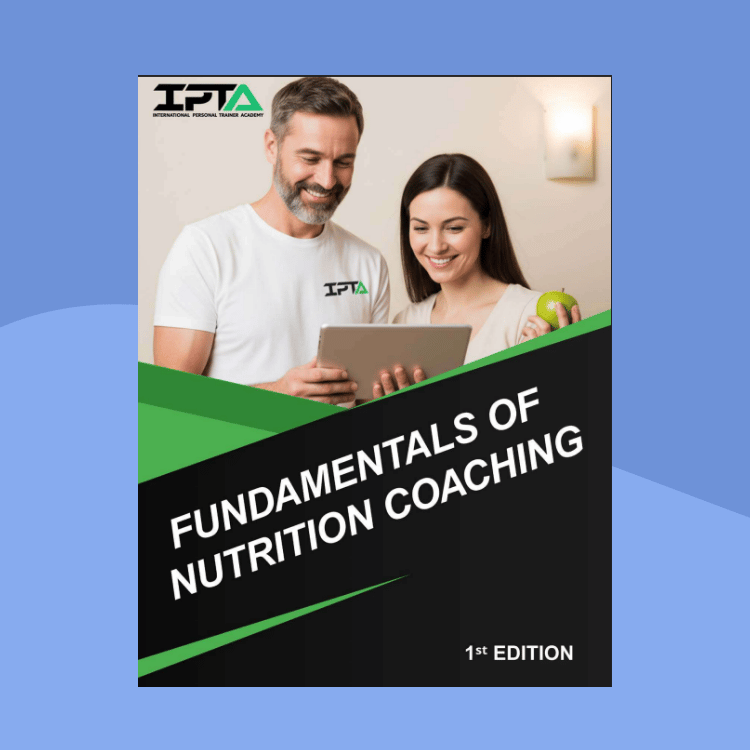
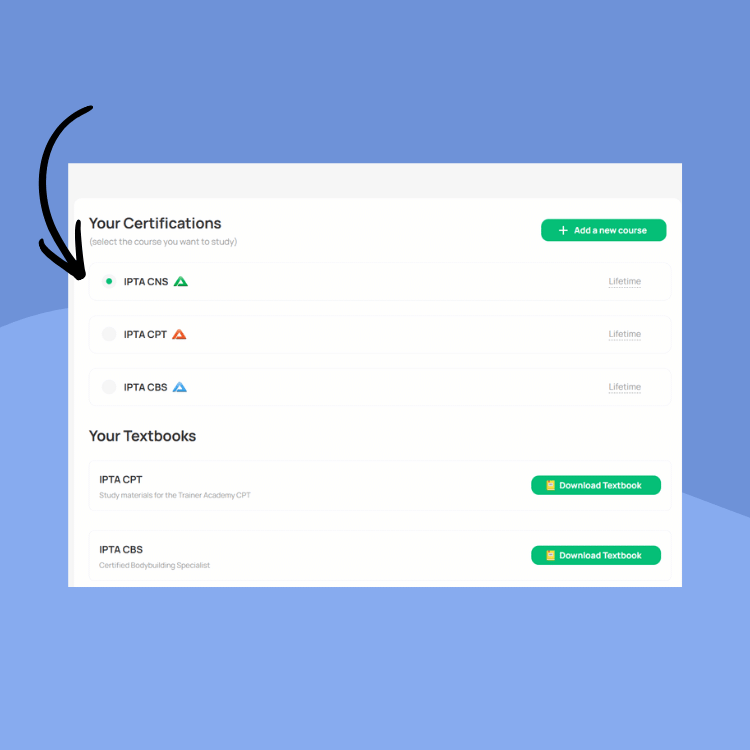

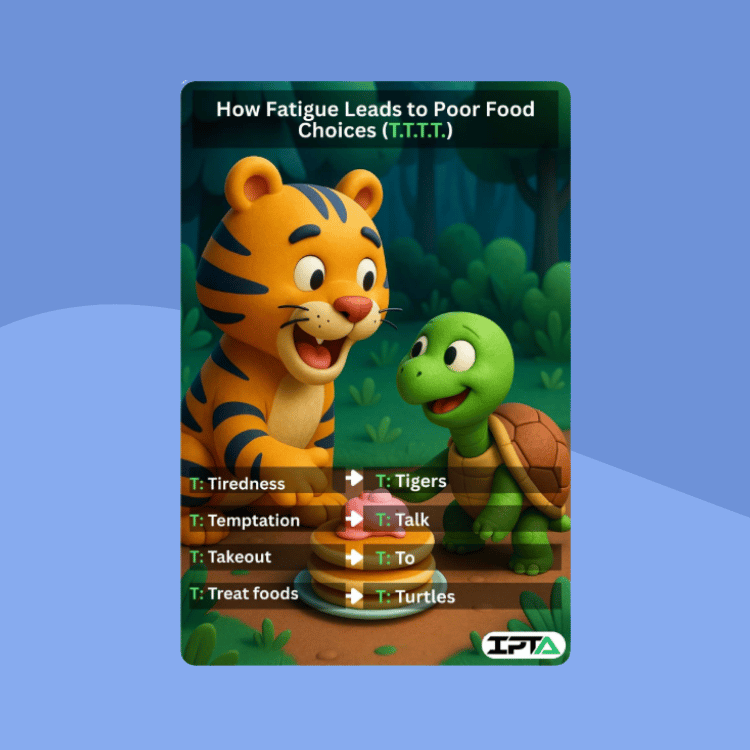
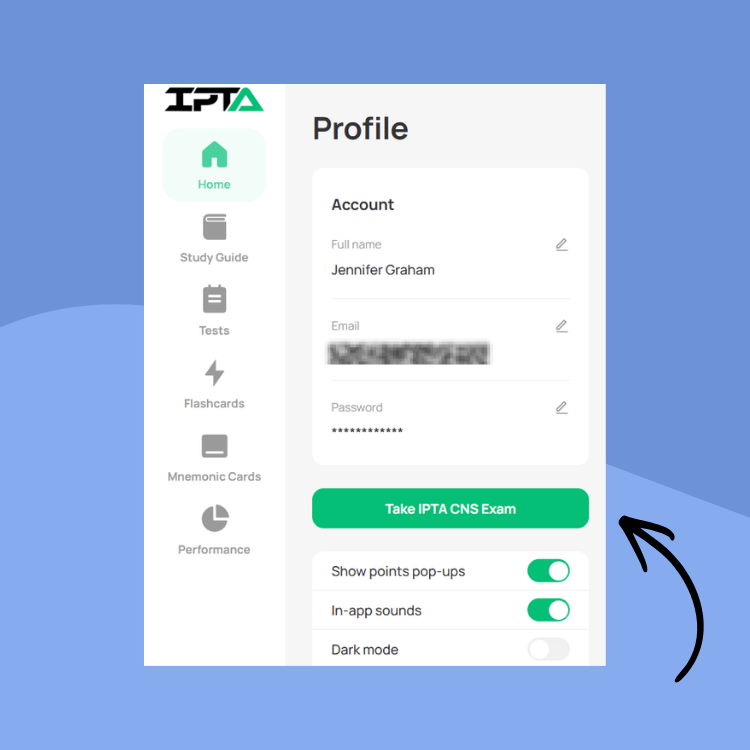
I came away from the exam feeling that the study materials had prepared me thoroughly, particularly on the metabolism and micronutrient sections which are consistently the most demanding.
IPTA’s Certified Nutrition Specialist starts at $399 and includes a digital textbook, interactive study guide and online final exam of 120 multiple-choice questions with a 70 percent passing threshold. The MVP tier at $699 adds unlimited exam retakes within the exam window, audio versions of the course, an AI study coach, tailored study plans and free first recertification. IPTA also frequently runs a buy-one-get-one promotion where the MVP package includes both the CPT and nutrition certification, making the bundle particularly strong for trainers wanting both credentials.
If you go through the course at a good pace, you might be exam-ready in 4 to 6 weeks. IPTA holds a 4.7-star Trustpilot rating and support was responsive in my testing, with most queries answered within a business day.
Starting price: $399. Free first recertification on MVP tier. Unlimited exam retakes on MVP tier.
NASM – Best for Behavior-Change Coaching
NASM
The gold standard for behavior-change coaching, with the strongest motivational interviewing curriculum available and broad employer recognition.
If you already hold an NASM CPT, this is probably the most natural next step and the one I would point you toward first. The study materials feel familiar, the CEUs stack cleanly, and NASM as a brand carries genuine weight with employers and clients alike. The question most trainers ask me about NASM is whether the price is justified. At $899 list, it is the most expensive base package on this list. My answer is that it depends what you are buying it for.
I have gone through the NASM-CNC curriculum twice across different review cycles and it remains the most thorough treatment of behavior change of any nutrition certification on this list. The motivational interviewing section alone changed how I structured coaching calls.
The Stages of Change framework is woven throughout the program rather than appearing as a standalone module, which means the behavior-change skills are embedded in how you think about nutrition rather than bolted on at the end. If your clients are people who know what they should eat and still cannot do it consistently, this is the curriculum that addresses that gap most directly.
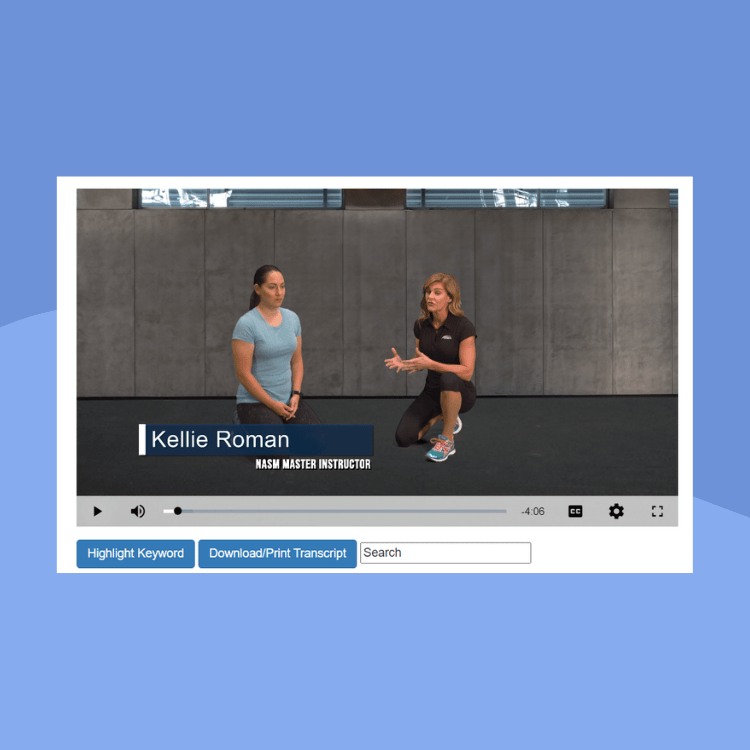
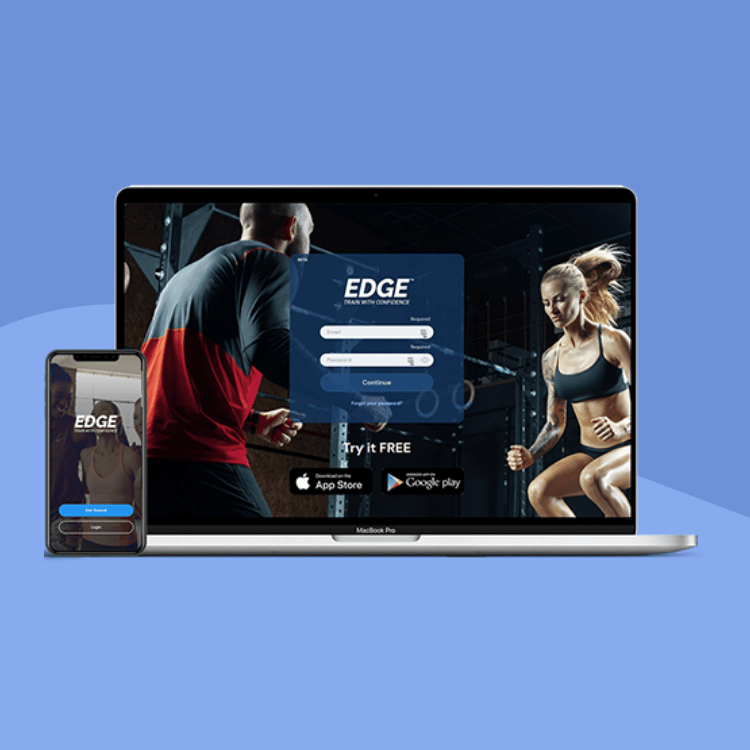
The study platform feels slightly dated compared to IPTA’s, which is worth noting at this price point. The final exam is 100 multiple-choice questions, 90 minutes in length, with a 70 percent passing threshold and three attempts allowed.
NASM are in a bit of an unusual position at the moment, with their brand reputation still being one of the best, but their TrustPilot reviews are surprisingly negative.
Starting price: $899, often discounted to around $637. Recertification $49 every two years with no CEU requirement for the nutrition credential itself.
ISSA – Best for Exam Support and Bundled Credentials
ISSA
The best option for stacking multiple credentials under one brand, with outstanding customer support, a free first retest and frequent bundle discounts.
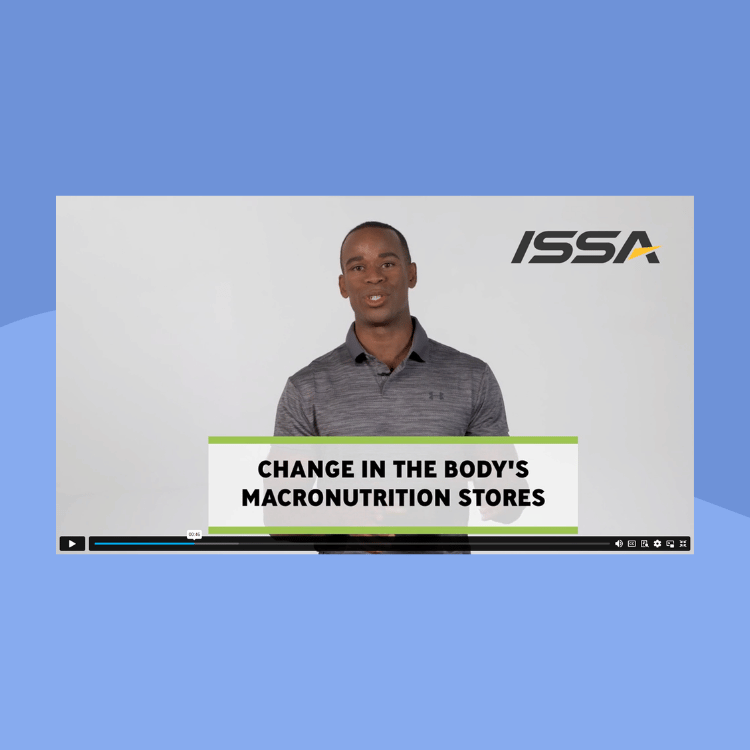
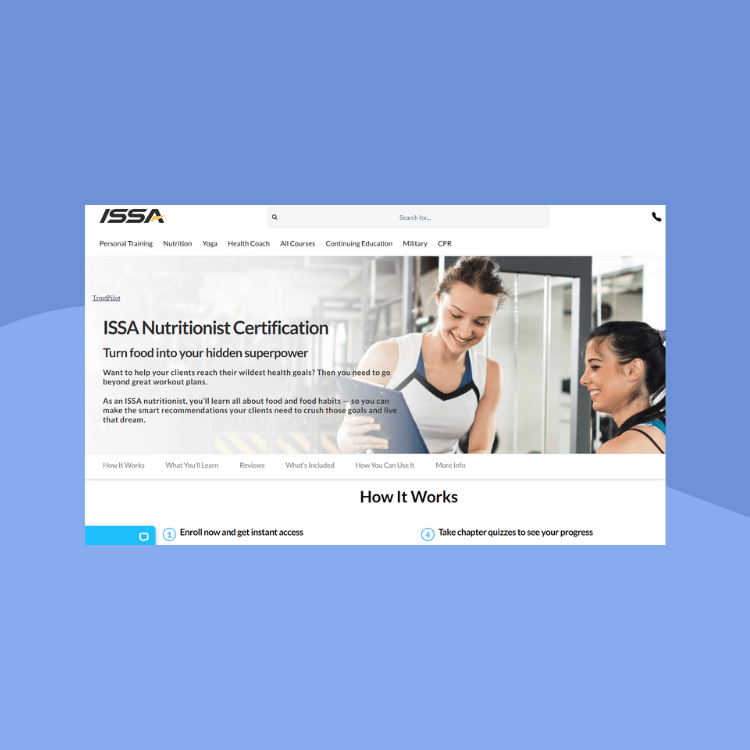
One of the most common concerns I hear from trainers considering ISSA is about the open-book, untimed exam format. “Does that mean it is too easy to be worth anything?” It is a reasonable question. My honest answer is that the open-book format reduces anxiety without reducing the standard. You still need to understand the material well enough to navigate a curriculum efficiently under exam conditions, and the fact that the first retest is free means the whole process is less financially punishing than it is with other providers.
Going through the ISSA nutrition course, the support structure was what stood out most. I contacted the team three times across the certification process and received a response within the hour each time. That kind of responsiveness is rare.
The business tools were also more practical than anything NASM or ACE provides: client form templates, a professional website and marketing guidance that actually helps you translate a new credential into paying clients.
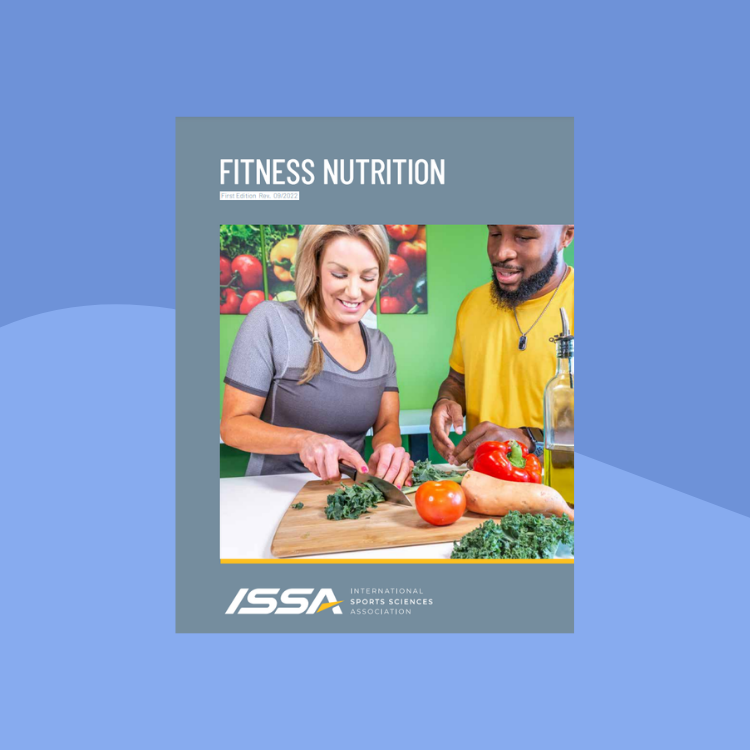
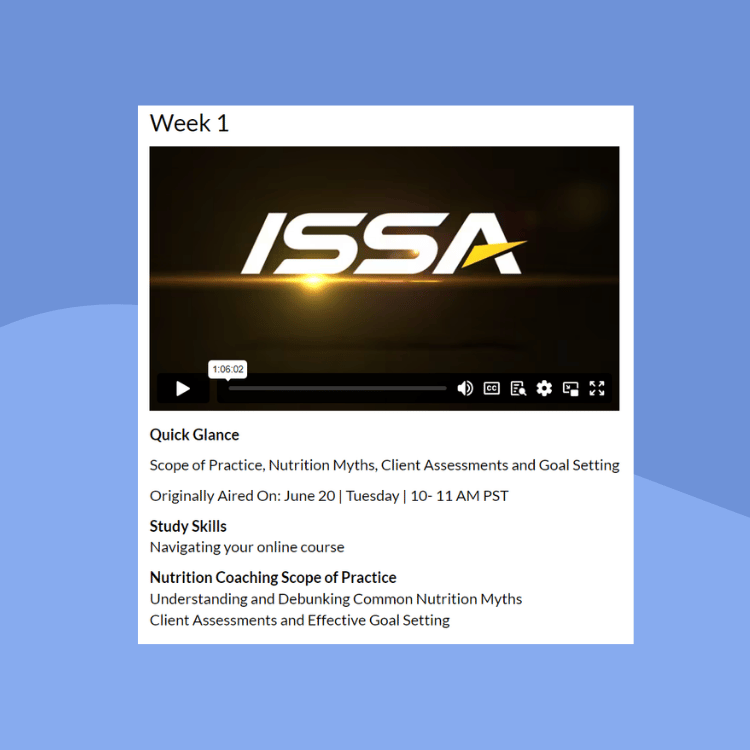
The honest limitation is that the open-book exam format does carry less prestige than a proctored alternative. If your clients or employers are evaluating the rigour of your credential, that is worth being aware of. For most independent coaches, it will not matter. For those applying to institutions with strict credentialing requirements, NCSF’s proctored exam may carry more weight.
ISSA’s bundle pricing is where the real value lies. The Elite Trainer package combining CPT, nutrition and a third specialization of your choice brings the per-credential cost down significantly and is worth serious consideration for trainers who want multiple credentials from one provider.
Starting price: $799 list, frequently discounted to $629 or lower. Renewal requires 20 CEUs every two years at $99.
NCSF – Best for Sport and Athlete-Focused Coaching
NCSF
The only sport-specific nutrition credential on this list, built for coaches working with competitive athletes and backed by a proctored exam.
Most trainers I speak with who are considering NCSF are already working with athletes or want to move in that direction. If that describes you, this is the right choice. If your roster is primarily general population weight-loss clients, I would point you toward NASM or IPTA first and come back to NCSF as a second credential later.
The question I get most about NCSF is whether the proctored exam is as daunting as it sounds. In my experience, yes, it requires genuine preparation, and the three-hour time limit means you cannot go into it hoping to look things up as you go. I studied for three months before sitting it and found that was about right. The curriculum does not try to be all things to all coaches. It focuses specifically on performance nutrition topics that matter for coaches working with athletes: periodization, hydration strategies, body composition, supplementation and recovery nutrition. For that specific purpose it is the best curriculum on this list.
The lighter recertification requirement of 10 CEUs every two years is a practical advantage over the longer term and worth factoring into the total cost calculation.
Starting price: $449, often discounted. Proctored exam. Retake fee $99 per attempt.
ACE – Best for Special Populations
ACE
The deepest coverage of special populations of any nutrition certification available, with lifetime validity and no renewal fees at $357.
ACE is the one that surprises people most when I recommend it. The price looks attractive, the exam looks easy, and trainers sometimes wonder if that means it is not worth much. Here is my honest take: the depth of the special populations content makes it genuinely valuable for a specific type of trainer, and the lifetime validity with no renewal fees makes it one of the most cost-effective credentials over a long career. Whether it is worth it depends entirely on who you are coaching.
I have worked through the ACE Fitness Nutrition Specialist twice across different review periods and the sections on older adults, postnatal and prenatal clients, and clients managing chronic conditions like type 2 diabetes and hypertension are more thorough than anything the other four certifications provide. The disordered eating recognition and referral content is also included, which is unusual at this price point and genuinely important for trainers working with weight-loss clients. Most of us encounter these situations far more often than we expect.
One thing worth setting expectations on: the ACE FNS does not have a traditional final exam. Assessment is through chapter quizzes that must be passed to progress through the program. I passed all of mine on the first attempt, which gives you a sense of the difficulty level relative to NCSF. This makes it more accessible from an exam pressure standpoint, though the rigour is in the curriculum rather than the assessment process.
Starting price: $357 for the digital version. Lifetime credential with no renewal fees.
Comparison Table
| Certification | Starting Price | Exam Questions | Proctored | Time to Certify | Best For |
|---|---|---|---|---|---|
| IPTA Nutrition Coach | $399 | 120 | No | 4 to 6 weeks | Best overall value |
| NASM-CNC | $899 | 100 | No | 4 to 12 weeks | Behavior-change coaching |
| ISSA Nutrition Coach | $799 | 50 to 100 | No | 8 to 10 weeks | Exam support and bundles |
| NCSF Sport Nutrition Specialist | $449 | 150 | Yes | 8 to 16 weeks | Sport and athlete coaching |
| ACE Fitness Nutrition Specialist | $357 | Quiz-based | No | 4 to 12 weeks | Special populations |
Other Certifications Worth Knowing About
These did not make my top five but come up regularly enough that they are worth addressing.
Precision Nutrition Level 1 is one I genuinely respect and nearly included in the top five. The coaching methodology curriculum is the deepest I have reviewed on behavior change, habit building and long-term client retention. For online-only coaches whose practice is built around those skills, it is a compelling option. The reasons it sits outside my top five are the cost ($999 to $1,500), the 12-month timeline, and the lack of NCCA accreditation, which can be a practical issue for trainers applying to commercial gym employment. If none of those are concerns for your situation, it deserves serious consideration.
Fitness Mentors Nutrition Specialist is a solid budget option at $499 that covers the core nutrition coaching topics and includes mentor support. I found it lighter on behavior change and sports nutrition than the top tier options, but for trainers on a tighter budget it provides genuine value and decent employer recognition.
NESTA and AFPA are available and cover the basics but carry less industry recognition than the certifications above. I would not recommend either as a primary credential for a working coach.
Why Get a Nutrition Certification?
The short answer is that clients will ask. They already are asking. And when they do, you want to be in a position to help them properly rather than referring them out or giving advice that sits in a gray area legally.
The longer answer involves three things I noticed change in my own practice after getting certified. First, I kept clients longer because I could address the full picture of what they needed rather than just the training component.
Second, I had a framework for those conversations that made me more confident and more consistent. Third, I had documented scope of practice that protected me legally and let me offer nutrition coaching as a service I charged for rather than an informal add-on.
Most personal trainer liability insurance providers also require a recognised nutrition credential to cover nutrition coaching services. Without one, any advice you give on food is effectively uninsured.
How to Choose the Right Nutrition Certification
The right certification depends on your client base, your existing credentials and your budget. These are the factors I weigh when making a recommendation.
Who are your clients?
General population weight-loss cases point toward NASM or IPTA. Older adults, postnatal clients or those managing chronic conditions point toward ACE. Athletes and performance clients point toward NCSF.
Do you already hold a credential from one of these providers?
If you hold an NASM-CPT, the NASM-CNC stacks cleanly and the study materials feel immediately familiar. If you hold an ISSA certification, their bundle pricing rewards staying in the ecosystem.
What is your budget?
IPTA at $399 and ACE at $357 are the most accessible entry points. Factor in recertification costs over time: ACE’s lifetime validity and IPTA’s free first recertification both look better over a five-year career than they do at the point of purchase.
Do you need a proctored exam for credentialing purposes?
Most independent coaches do not. For institutional employment or specific credentialing requirements, NCSF’s proctored exam carries the most rigour.
FAQs
What is the best nutrition certification for personal trainers?
For most working trainers, IPTA delivers the strongest combination of price, study platform and curriculum depth at $399. NASM is the strongest pick for behavior-change focused coaches. ISSA is the best fit for trainers stacking multiple credentials. NCSF is the right choice for coaches working primarily with athletes. ACE suits trainers working with older adults or special populations.
Do I need a nutrition certification to give clients dietary advice?
No law requires a separate credential for general nutrition guidance, but certification clarifies your scope of practice, supports liability insurance coverage and signals competence to clients and employers. It also gives you the framework to have those conversations properly rather than ad hoc.
How can I tell if a nutrition certification is reputable?
Look for NCCA accreditation, a proctored exam option where relevant, curriculum reviewed by registered dietitians and recognition by major personal trainer liability insurance providers. Strong independent review ratings, like Trustpilot, are also useful signals.
How long does it take to get a nutrition certification?
Most trainers complete a nutrition certification in four to twelve weeks of focused study. IPTA candidates often report being exam-ready in four to six weeks. NCSF recommends two to four months before attempting the proctored exam.
Can a certified nutrition coach prescribe meal plans?
Certified nutrition coaches can provide general nutrition education, macronutrient recommendations and habit-based coaching for healthy adults. Diagnosing conditions, treating disease and prescribing therapeutic diets are reserved for registered dietitians and licensed nutritionists. Knowing that boundary is part of what makes a good nutrition coach.
Which nutrition certification is cheapest?
ACE is the lowest-priced entry on this list at $357 with lifetime validity. IPTA starts at $399 with free first recertification on the MVP tier. NCSF is frequently discounted to around $449.
Methodology
For this review, we evaluated the following certification providers: ISSA, IPTA (International Personal Training Academy), NASM (National Academy of Sports Medicine), ACE (American Council on Exercise), NCSF (National Council on Strength & Fitness), Precision Nutrition, AFPA (American Fitness Professionals & Associates), NESTA (National Exercise & Sports Trainers Association), Sports Nutrition Association (SNA), and, National Academy of Metabolic Science (NAMS).
Bottom Line
If you are a personal trainer who keeps getting asked about nutrition and you want to do something about it properly, any of the five certifications on this list will give you a legitimate credential and a real curriculum to work from.
My top recommendation for most trainers in 2026 is IPTA. The price is one of the lowest on this list, the study platform is the most modern and the curriculum is comprehensive. The brand recognition tradeoff is real for commercial gym employment but matters less than people think for independent and online coaching.
If behavior change is the core of your coaching work, NASM is the stronger choice. If you want maximum exam support and bundle flexibility, ISSA. If you work with athletes, NCSF. If your clients are older adults or special populations, ACE.
And if you are building an online coaching practice centered on long-term habit change, look seriously at Precision Nutrition Level 1 before you dismiss it on price alone.
The decision that matters most is making one. Clients are already asking. Having a proper answer ready is worth more than the cost of any certification on this list.
Related Articles
Best Personal Trainer Certifications – Honest Thoughts