
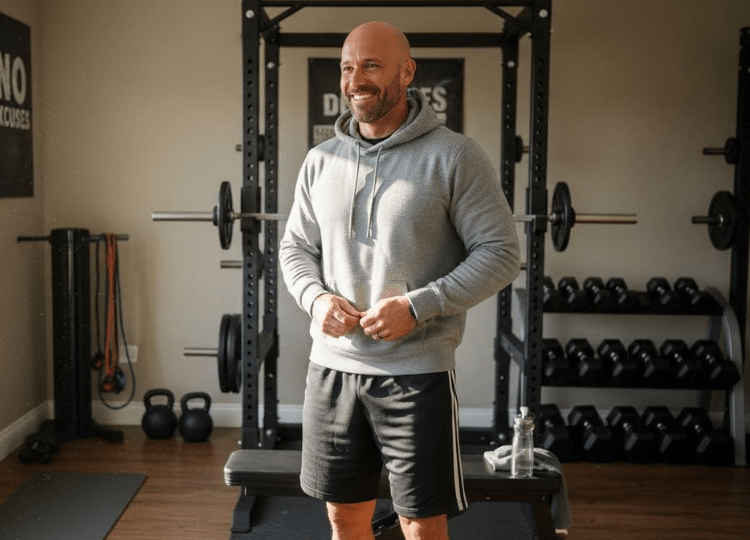
Choosing a gym training program can feel overwhelming. Social media is flooded with workout routines promising rapid transformations, fitness magazines tout “one-size-fits-all” plans, and every friend seems to swear by a different approach. Amid all this noise, it’s easy to become paralyzed by the quest for the “perfect” program.
The truth is, there isn’t a single plan that works flawlessly for everyone. Your success in the gym is shaped more by personal goals, preferences, and consistency than by any universally prescribed regimen. Understanding how to navigate these choices is the key to developing a sustainable and effective approach to fitness.
Understanding Your Fitness Goals
The first step in identifying a suitable program is clarifying your objectives. Are you aiming to build strength, increase endurance, lose fat, or improve overall mobility? Each goal requires a different emphasis in training. For instance, someone focused on strength gains will prioritize compound movements such as squats, deadlifts, and bench presses with heavier loads and lower repetitions. Conversely, a person seeking cardiovascular fitness might focus on high-intensity interval training or sustained aerobic exercise.
Experts from institutions like the American College of Sports Medicine consistently highlight that aligning your workouts with measurable goals increases both adherence and results. Without clearly defined objectives, even the most sophisticated programs can feel aimless, leading to frustration or early dropout.
Assessing Your Current Fitness Level
An honest assessment of your current fitness level is essential before committing to a program. This includes understanding your strength, cardiovascular endurance, mobility, and any pre-existing conditions or injuries. Attempting a program that is too advanced can increase the risk of injury, while an overly basic routine may not provide sufficient stimulus to see progress.
Many gyms now offer functional movement screenings and baseline fitness assessments. These evaluations provide insight into areas needing attention and can guide you toward programs that target your specific weaknesses while building on your strengths. Recognizing your starting point ensures that your progression is safe, measurable, and tailored to your body’s unique capabilities.
Evaluating Training Styles and Formats
Fitness is not one-size-fits-all, and training styles vary widely. Some people thrive on structured, linear programs with clear sets, reps, and rest periods. Others are more motivated by flexible routines that incorporate group classes or high-intensity circuits. Understanding your personal preferences is crucial; consistency is much easier to maintain when you enjoy the method of training.
Strength training, cardiovascular-focused routines, functional training, and hybrid programs each offer different benefits. Research from institutions like the Mayo Clinic emphasizes that variety in training can improve adherence and prevent plateaus. Incorporating different modalities, while staying aligned with your primary goals, often yields the most sustainable results.
Recognizing the Importance of Progression
Any effective gym program must include progression—the gradual increase in intensity, volume, or complexity over time. Without progression, your body adapts quickly and gains in strength, endurance, or muscle size plateau. Tracking improvements and systematically increasing the challenge ensure that your workouts remain effective and continue to promote positive adaptations.
Progression can be implemented in numerous ways: adding weight, increasing repetitions, shortening rest periods, or introducing more complex movement patterns. Consulting experienced trainers or credible online resources can help guide the safe implementation of progression. This approach not only accelerates results but also reduces the likelihood of overtraining or injury.
Integrating Recovery and Lifestyle Factors
Fitness success extends beyond the gym. Recovery, nutrition, sleep, and stress management all play significant roles in achieving results. Programs that overlook these aspects often produce limited outcomes. For instance, even the most rigorous strength program will underperform if nutrition does not supply adequate protein or calories for muscle repair. Similarly, chronic sleep deprivation can impair hormonal balance, reducing both performance and recovery.
Experts from Harvard Medical School and other reputable institutions underscore the significance of recovery as part of any fitness plan. Effective programs incorporate rest days, emphasize mobility work, and encourage attention to lifestyle factors. Treating your overall health as integral to your training ensures that gains are sustainable and reduces the risk of setbacks.
Identifying Personalized Support and Guidance
While self-directed training can be effective, personalized guidance often accelerates progress and improves safety. Working with a knowledgeable trainer can help refine your technique, design an adaptable program, and maintain motivation. Trainers can adjust workouts in response to performance and lifestyle changes, providing accountability and reducing the guesswork that often undermines long-term adherence.
For those seeking expert direction, engaging with a professional service like Lucas James Personal Training can help identify the best gym training program for individual needs. Personalized assessment and ongoing support ensure that your routine aligns with your goals, abilities, and schedule, transforming the abstract concept of “fitness” into a practical and achievable journey.
Monitoring Progress and Adjusting Plans
No plan remains perfect indefinitely. As your body adapts, goals evolve, and life circumstances shift, your training program should evolve as well. Monitoring progress through measurable indicators such as strength gains, endurance levels, body composition changes, or subjective energy levels allows you to adjust effectively.
Reflecting on progress regularly prevents stagnation. It also helps identify aspects of the program that are particularly enjoyable or motivating, which can guide future adjustments. Flexibility and responsiveness are far more valuable than rigid adherence to a single “perfect” plan.
Embracing Consistency Over Perfection
The most important principle in any training regimen is consistency. Research consistently supports the idea that regular, sustained activity over time produces the most meaningful results. Consistent individuals, even with modestly challenging programs, often achieve superior outcomes compared with those who sporadically follow advanced routines.
This perspective shifts the focus from chasing perfection to creating habits. A program that fits your lifestyle, aligns with your goals, and remains enjoyable is far more effective than one that is theoretically optimal but unsustainable.
Bottom Line
The quest for a “perfect” gym training program is largely a myth. Instead, effective fitness comes from understanding your goals, assessing your current abilities, selecting a style you enjoy, integrating progression, prioritizing recovery, and seeking support when needed. Programs should evolve with you, and consistency should always take precedence over perfection.
By taking a thoughtful and personalized approach, you can identify the routine that not only helps you achieve tangible results but also supports long-term health and well-being. Whether through self-guided learning, structured gym programs, or expert services, the focus should remain on finding the program that fits your unique needs, allowing you to progress confidently and sustainably toward your goals.