

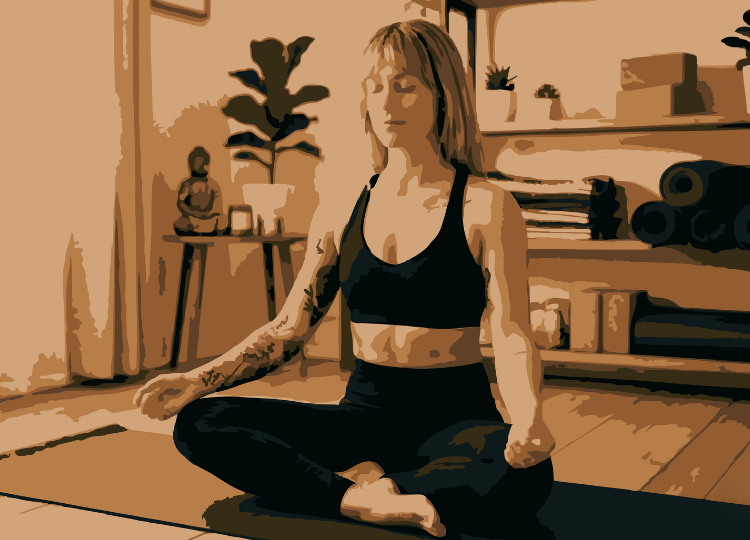
The same culture that sold you the 5am alarm, the 80-hour workweek, and the idea that rest was for the weak is now selling you the cold plunge, the breathwork app, and the nervous system reset retreat.
Different products, different aesthetics, different language. Same underlying logic: optimise harder, just in a different direction.
How Hustle Culture Built Its Own Antidote
To understand the recovery economy, you have to understand what preceded it and what it actually did to people.
The hustle era had a theology. Rise and grind. Sleep when you’re dead. Your competition is working while you rest. It peaked somewhere around 2015 to 2019, colonising LinkedIn, fitness culture, and self-help simultaneously. The 5am Club, David Goggins, biohacking for performance, intermittent fasting as discipline rather than health protocol. Suffering was the point. Discomfort was the product.
Then the data started coming in.
Chronic sleep deprivation impairs cognitive function as severely as being legally drunk. Sustained elevated cortisol accelerates biological aging, suppresses immune function, and degrades cardiovascular health. The American Institute of Stress estimates stress costs US employers over $300 billion annually in absenteeism, reduced productivity, and healthcare.
The hustle was expensive, and not just personally.
Burnout was classified as an occupational phenomenon by the WHO in 2019. Within a year, a pandemic had compressed five years of workplace stress into eighteen months. The cultural ground shifted. Suddenly, the most aspirational thing you could demonstrate wasn’t how little sleep you needed. It was how well-regulated your nervous system was.
The recovery economy had its moment.
The Counter-Industry That Speaks the Same Language
What’s striking about the recovery economy isn’t that it exists. It’s how completely it mirrors the culture it claims to oppose.
Cold exposure is sold with the same intensity language as Goggins-era fitness. Wim Hof didn’t soften the pitch when he moved from extreme endurance to breathwork. He kept the suffering, rebranded the outcome. Cold plunges are marketed with before-and-after cortisol graphs and dopamine spike data. The rigour is still there. The performance framing is still there. Recovery has simply become the new arena for optimization.
HRV tracking turns rest into a metric you can win at. Sleep becomes something to score. Breathwork has protocols. Meditation apps have streaks.
The nervous system, that most intimate and involuntary of systems, has been gamified. You can now fail at relaxing, and the app will tell you.
This is not accidental. The recovery industry largely inherited its customers from the hustle industry, and it understood them. These are people who don’t respond to “slow down.” They respond to “here is a measurable, optimisable system for achieving a specific outcome.” The language changed. The underlying psychology didn’t.
Who Is Actually Selling Both
The overlap between who profits from burnout and who profits from recovery is more literal than it sounds.
Corporate wellness programmes are the clearest example. The same companies whose structures, expectations, and cultures generate chronic stress in employees are now the primary purchasers of meditation app licences, mindfulness workshops, and resilience training. Calm and Headspace built significant portions of their revenue on B2B enterprise contracts. The employer creates the condition, then purchases the subscription to manage it.
Supplement brands follow a similar logic. Many of the same companies selling pre-workout stimulants, high-caffeine nootropics, and aggressive cutting stacks also sell the magnesium glycinate, ashwagandha, and cortisol-control formulas on the other side. Stress the system, then sell the repair kit. Both are legitimate products. Both serve a genuine need. But the need for the second is partly manufactured by the first.
Fitness culture itself runs the same play. The overtraining epidemic is real and well-documented: a significant portion of dedicated gym-goers are chronically under-recovered, over-stimulated, and running on a hormonal debt that accumulates invisibly. The recovery tools marketed most aggressively, the ice baths, the compression boots, the red light panels, are marketed hardest to exactly this cohort.
The people most likely to need recovery products are the people most likely to be overtrained, and the culture that encourages overtraining and the culture that sells recovery gear share a significant audience and, in many cases, a supply chain.
The Nervous System Has Become the New Battleground
What’s new in this cycle, and what makes it genuinely significant, is the biological specificity of the target.
Previous wellness waves were vague in their mechanism. Detox. Alkaline balance. Energy. The recovery economy is different. It has latched onto the autonomic nervous system, specifically the balance between sympathetic activation (fight or flight) and parasympathetic recovery (rest and digest), and it has done so with enough scientific accuracy to be credible and enough commercial ambition to be overwhelming.
HRV, heart rate variability, is the clearest example. It’s a legitimate biomarker. Peer-reviewed research supports its use in athletic recovery, stress monitoring, and cardiovascular health assessment. The science is real. But it has been extracted from its clinical context, stripped of its caveats, and deployed as a consumer anxiety delivery mechanism at scale. Check your HRV every morning and you have a new number to feel bad about before you’ve had breakfast.
Bioelectric medicine, neurofeedback, vagus nerve stimulation and somatic therapy are all legitimate therapeutic modalities with genuine evidence bases. They are also, increasingly, consumer products sold with the same urgency and aspirational framing as the productivity tools they’re meant to counteract.
The nervous system reset retreat costs more than the hustle conference it’s replacing. The customer is often the same person, five years later, with a different set of problems and a similar willingness to pay.
What This Means for What Comes Next
The recovery economy isn’t going away. The conditions that created it, always-on work culture, digital overstimulation, the attention economy, social comparison at scale, are structural rather than cyclical. If anything, they’re intensifying. AI-driven productivity pressure is the next wave of the same phenomenon, and the wellness industry is already positioning.
But the more interesting question is whether the recovery economy is capable of producing something the hustle era never did: actual structural change rather than better coping mechanisms.
The signals are mixed. On one hand, there’s a genuine shift in how people are thinking about work, identity, and sustainability. The generation entering the workforce now has watched their predecessors burn out and is negotiating differently.
On the other hand, the monetisation logic of the recovery economy doesn’t reward solving the problem. It rewards managing the symptoms. An industry built on recurring subscriptions, consumable supplements, and ongoing coaching relationships has no financial incentive for its customers to fully recover. The ideal customer is chronically but manageably stressed, aware enough to keep purchasing, never well enough to stop.
That tension is where the next wave of genuinely differentiated products will emerge: the ones that actually remove the stressor rather than soften its edges. Employers that redesign work rather than offer meditation apps. Coaches that help people exit the optimisation loop rather than perform it more sustainably. Platforms that measure restoration, not just readiness scores.
Bottom Line
Hustle culture and the recovery economy are not opposites. They are sequential products of the same anxiety, aimed at the same customer, with the same underlying promise: that the right system, routine, or protocol will finally make you feel okay.
The market that created the stress is the market best positioned to sell the cure. That’s not cynicism. It’s just an accurate description of how the loop closes.