

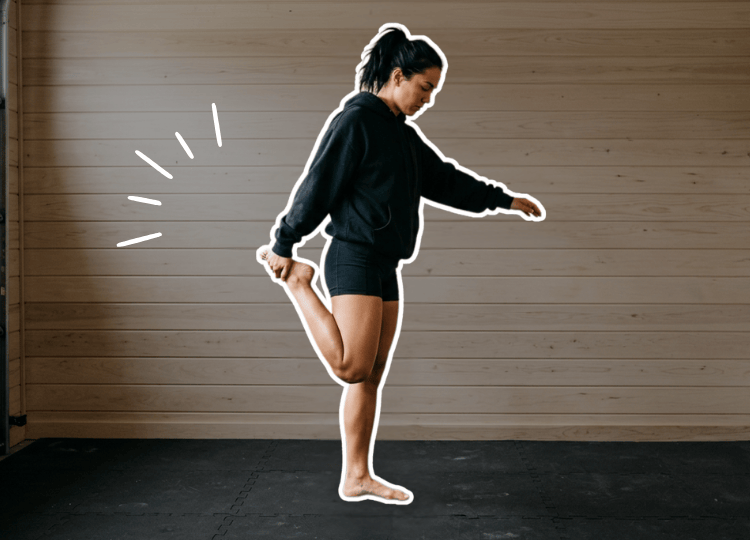
Stretching is one of the most commonly skipped parts of a walking routine, and one of the most worthwhile to get right.
The type of stretching matters as much as the stretching itself.
Dynamic stretches, which involve moving through a range of motion rather than holding a position, are best before a walk. They increase muscle temperature, stimulate blood flow and prepare the joints for the demands of walking without reducing the power or performance of the muscles, which static holds before exercise can do.
Static stretches, held for 20 to 30 seconds, are best after a walk when the muscles are warm and most receptive to lengthening.
A 2024 systematic review published in the Journal of Athletic Training found that programmes combining dynamic warm-ups with post-exercise static stretching improved flexibility 40% more than either method alone over 8 weeks. Spending 5 minutes on each, before and after a walk, is one of the simplest investments you can make in long-term movement quality and injury resilience.
The 10 stretches for walking below are split into two clear routines: five dynamic stretches to do before you set off and five static stretches to do when you return.

Quick Summary
- Dynamic stretches before a walk and static stretches after is the approach supported by research, with one 2024 study finding this combination improves flexibility 40% more than either method alone.
- The 5 pre-walk stretches cover leg swings, lateral leg swings, hip circles, walking lunges with rotation and ankle circles, all chosen specifically for the movement demands of walking.
- The 5 post-walk stretches target the key muscle groups loaded during walking: calves, quads, hip flexors, hamstrings and glutes.
Before Your Walk: 5 Dynamic Stretches
Dynamic stretches should be performed in a slow, controlled manner, moving through the full range of motion without forcing or bouncing. Aim for 10 repetitions per side for each exercise.
1. Leg Swings (Front to Back)
Leg swings dynamically warm up the hip flexors, hamstrings and glutes through the same forward and backward motion used in walking, making them one of the most specific pre-walk warm-up exercises available.
How to do it:
- Stand side-on to a wall or fence and place one hand on it lightly for balance.
- Shift your weight onto the left leg and let the right leg hang freely.
- Swing the right leg forward as high as is comfortable, then let it swing back behind the body in a controlled arc.
- Keep the movement smooth and rhythmic, allowing the leg to build range gradually with each swing.
- Complete 10 swings on each side.
Coach’s Tip – Keep the torso upright and avoid rotating the hips as the leg swings. The movement should come entirely from the hip joint.
2. Lateral Leg Swings
Lateral leg swings open up the inner thighs, hip abductors and outer hip muscles that stabilise the pelvis during walking. They warm up the lateral hip in a way that front-to-back swings do not reach.
How to do it:
- Stand facing a wall with both hands resting lightly on it for support.
- Shift your weight onto the left leg and swing the right leg out to the right as far as comfortable.
- Allow it to swing back across and in front of the left leg, then repeat.
- Keep the torso facing forward throughout and avoid letting the hips tilt to either side.
- Complete 10 swings on each side.
Coach’s Tip – Start with a small range of motion and let it increase naturally over the first few swings rather than forcing a wide swing from the beginning.
3. Hip Circles
Hip circles warm up the hip joint through its full circular range of motion, addressing the rotational component of walking that linear swings do not cover. They are particularly useful for those who feel stiffness in the hips first thing in the morning or after prolonged sitting.
How to do it:
- Stand with feet hip-width apart and hands on the hips.
- Lift the right knee to hip height and slowly draw a large circle outward with the knee, rotating from the hip.
- Complete five circles in one direction, then reverse.
- Repeat on the other side.
Coach’s Tip – Keep the movement slow and deliberate. The goal is to lubricate the hip joint and increase synovial fluid production, not to rush through the reps.
Hip Adductor Stretches
Walking regularly can tighten the inner thighs and groin over time, particularly for those covering longer distances or walking on uneven terrain. If you want to complement the stretches in this guide with more targeted hip flexibility work, our guide to hip adductor stretches covers seven of the most effective options including the butterfly stretch, frog stretch and side lunge.
4. Walking Lunge with Rotation
The walking lunge with rotation prepares the hip flexors, glutes and thoracic spine simultaneously, covering the three areas most commonly tight in walkers. It also raises the heart rate slightly, which helps transition the body toward the effort level of a power walk. This is also known as Samson stretch.
How to do it:
- Step forward into a lunge with the right foot, lowering the left knee toward the floor.
- At the bottom of the lunge, rotate the torso to the right, opening the chest toward the front leg.
- Return to centre and step the left foot forward into the next lunge, rotating to the left.
- Continue for 10 alternating lunges.
Coach’s Tip – Keep the front knee tracking over the toes and avoid letting it collapse inward during the rotation. If balance is challenging, perform a static lunge with rotation rather than the walking version.
5. Ankle Circles
The ankle joint absorbs significant impact during walking, particularly on uneven terrain. Ankle circles warm up the joint through its full range of motion and improve proprioception in the ankle before load is applied.
How to do it:
- Stand tall and raise the right foot off the floor.
- Slowly rotate the foot at the ankle, drawing large circles in one direction for five rotations, then reverse.
- Lower the foot and repeat on the other side.
Coach’s Tip – Keep the movement in the ankle joint rather than the whole lower leg. The shin should remain still while the foot does the work.
After Your Walk: 5 Static Stretches
Static stretches should be held for 20 to 30 seconds per side. Breathe steadily throughout each hold and avoid forcing the position. Two rounds of each stretch is sufficient for most people.
6. Standing Calf Stretch
The calves are among the most heavily worked muscles during walking and one of the most common sources of tightness and soreness, particularly after longer sessions. This stretch targets both the gastrocnemius and soleus.
How to do it:
- Stand facing a wall and place both hands on it for support.
- Step the right foot back into a long stride, keeping the heel flat on the floor.
- Bend the left knee and lean gently forward, feeling the stretch through the right calf.
- Hold for 20 to 30 seconds, then switch sides.
- For a deeper stretch into the soleus, soften the back knee slightly while maintaining the heel on the floor.
Coach’s Tip – The further back the rear foot, the deeper the stretch. If the heel lifts off the floor, shorten the stride until the calf flexibility improves.
Tibialis Anterior Exercises
If you find your shines are sore after a walk, it’s worth looking to tibialis anterior exercises and stretches.
7. Standing Quad Stretch
The quadriceps work continuously during walking, particularly on inclines and when descending hills. This stretch releases tension through the front of the thigh and hip flexor simultaneously.
How to do it:
- Stand tall and bend the right knee, bringing the right foot toward the right glute.
- Hold the right ankle with the right hand and gently draw the heel closer to the body.
- Keep the knees together and the torso upright throughout.
- Hold for 20 to 30 seconds, then switch sides.
Coach’s Tip – If balance is a challenge, stand next to a wall and use the free hand for light support. Avoid pulling the foot to the side of the body, which stresses the knee joint. The heel should track directly toward the glute.
8. Hip Flexor Stretch (Kneeling Lunge)
The hip flexors are chronically tight in most people due to prolonged sitting, and walking with tight hip flexors limits stride length and contributes to lower back tension. This stretch directly targets the iliopsoas, the primary hip flexor muscle.
How to do it:
- Kneel on the right knee with the left foot flat on the floor in front, forming a 90 degree angle at both knees.
- Keeping the torso tall, gently push the hips forward until a stretch is felt through the front of the right hip and thigh.
- Hold for 20 to 30 seconds, then switch sides.
Coach’s Tip – Avoid arching the lower back to increase the range of the stretch. The movement should come from the hips shifting forward, not from the spine extending. A folded mat under the rear knee makes this more comfortable on hard floors.
9. Standing Hamstring Stretch
The hamstrings run along the back of the thigh and are heavily involved in every step. Tight hamstrings pull on the pelvis and contribute to lower back stiffness, making this one of the most important post-walk stretches to include consistently.
How to do it:
- Stand facing a step, low bench or sturdy chair and place the right heel on it with the leg straight.
- Keep the standing leg slightly bent and hinge gently forward from the hips until a stretch is felt along the back of the raised leg.
- Hold for 20 to 30 seconds, then switch sides.
Coach’s Tip – Keep the back flat throughout the stretch rather than rounding the spine to reach further. The stretch should be felt in the hamstring, not the lower back. If no raised surface is available, this can be performed standing with the heel on the floor and the toes raised.
10. Glute and Piriformis Stretch (Figure Four)
The glutes and piriformis, a deep hip rotator, work hard during walking to stabilise the pelvis and propel each step. This stretch targets both simultaneously and is one of the most effective post-walk stretches for releasing deep hip tightness.
How to do it:
- Sit on a chair or bench and cross the right ankle over the left knee, forming a figure four shape with the legs.
- Keep the right foot flexed to protect the knee joint.
- Sit tall and gently lean forward from the hips until a stretch is felt deep in the right glute.
- Hold for 20 to 30 seconds, then switch sides.
Coach’s Tip – The further forward you lean, the deeper the stretch. If no chair is available, this can be performed lying on the back with the left foot flat on the floor and the right ankle crossed over the left knee. Gently pull the left thigh toward the chest to deepen the stretch.
How Long Should You Spend Stretching?
Five minutes of dynamic stretching before a walk and five minutes of static stretching after is sufficient for most people. This does not need to be complicated. Working through the five exercises in each section at a relaxed pace takes roughly this amount of time.
For those with specific areas of tightness or a history of lower body injuries, spending slightly longer on the relevant stretches and repeating each hold two to three times is a practical approach.
Stretching Straps
Stretching straps can be a useful tool to help enhance your stretching routines.
Bottom Line
Stretching before and after a walk is one of the simplest ways to improve movement quality, reduce injury risk and recover more effectively between sessions. The distinction between dynamic and static stretching matters: moving through a range of motion before a walk and holding positions after it is the approach consistently supported by the research.
The ten stretches above cover all the major muscle groups involved in walking, from the calves and hamstrings to the hip flexors, glutes and ankles. Five minutes before and five minutes after is all that is required. Over time, the improvements in flexibility, posture and comfort during longer walks will make those ten minutes well worth building into the routine.
Related articles: