

Recovery metrics have moved from elite athlete monitoring rooms into the hands of everyday fitness enthusiasts. Heart rate variability, sleep stages, resting heart rate, and body temperature variations now populate smartphone screens and fitness dashboards worldwide. But what do these numbers actually mean for someone trying to improve their health, and how should regular exercisers interpret the flood of biometric feedback?
The democratization of recovery data represents a significant shift in how we approach fitness. Where once only professional athletes had access to detailed physiological monitoring, consumer wearables now deliver sophisticated metrics to anyone willing to wear a device. Understanding what this information reveals—and what it doesn’t—can help fitness enthusiasts make smarter training decisions without getting lost in data overload.
The Science Behind Recovery Metrics
Recovery data primarily reflects how well your autonomic nervous system manages the balance between stress and restoration. Heart rate variability, perhaps the most discussed metric, measures the subtle variations in time between heartbeats. Higher variability typically indicates better recovery and readiness for training, while consistently low variability may signal accumulated fatigue or stress.
Sleep tracking adds another layer by monitoring sleep stages, duration, and quality. Deep sleep phases support physical recovery and muscle repair, while REM sleep contributes to cognitive restoration and memory consolidation. Resting heart rate trends provide insight into cardiovascular adaptation and overall fitness improvements over time.
Body temperature patterns, often overlooked, can reveal hormonal fluctuations, illness onset, and recovery status. Core temperature naturally fluctuates throughout the day and menstrual cycle, making it a valuable but complex metric that requires consistent tracking to establish personal baselines.
These measurements work together to paint a picture of physiological readiness. However, they represent just one piece of the recovery puzzle, alongside subjective factors like mood, motivation, and perceived energy levels that technology cannot fully capture.
How Everyday Athletes Should Interpret Their Numbers
The key to using recovery data effectively lies in understanding personal baselines rather than chasing arbitrary targets. Your optimal heart rate variability might differ significantly from published averages, and what matters most is recognizing your individual patterns and deviations from normal ranges.
Trends matter more than single-day readings. A slightly elevated resting heart rate on one morning might reflect poor sleep, dehydration, or stress rather than overtraining. However, a week-long upward trend combined with declining sleep quality and reduced HRV could indicate the need for additional recovery time.
Context remains crucial when interpreting metrics. Life stress, travel, dietary changes, and illness all influence recovery markers. A busy work week might show similar physiological stress patterns to intense training, requiring the same attention to recovery strategies.
Many fitness enthusiasts make the mistake of treating recovery data as pass-fail grades rather than guidance tools. A “poor” recovery score doesn’t necessarily mean skipping exercise entirely. Instead, it might suggest modifying intensity, choosing restorative activities like yoga or walking, or focusing on sleep and stress management.
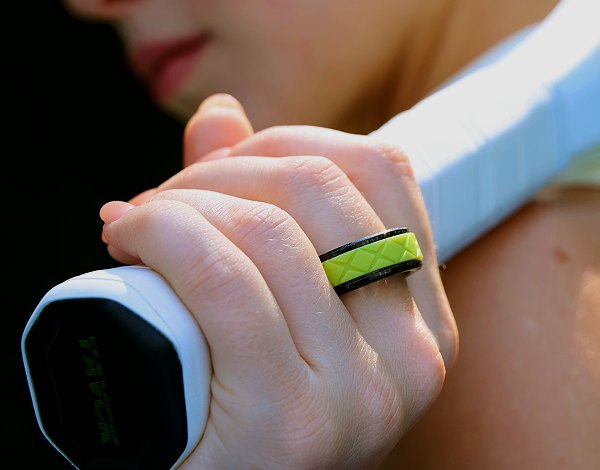
For women, menstrual cycle tracking adds important context to recovery data. Hormonal fluctuations naturally affect heart rate variability, body temperature, and sleep patterns throughout the month. Devices like the CUDIS smart ring for women specifically account for these cyclical changes, providing more accurate recovery insights by incorporating menstrual cycle data into their algorithms.
Practical Applications for Training Decisions
Recovery data works best when integrated into a broader training philosophy rather than dictating every workout decision. Elite athletes often use a traffic light system: green indicates normal training, yellow suggests modified intensity, and red recommends rest or very light activity.
For everyday fitness enthusiasts, this approach can prevent the common mistake of training hard when the body needs recovery. Instead of following rigid workout schedules, recovery-informed training allows for flexibility based on physiological readiness.
High-intensity interval training, strength sessions, and long endurance workouts place significant stress on the body and typically require 24-48 hours of recovery. Recovery metrics can help determine when you’ve adequately recovered from these sessions and when pushing intensity might lead to diminishing returns or increased injury risk.
Conversely, consistently excellent recovery scores might indicate room for increased training stimulus. If your metrics suggest full recovery but your fitness progress has plateaued, it could signal the need for progressive overload or new training challenges.
Recovery data also helps optimize timing for different types of exercise. Morning heart rate variability readings can guide whether to tackle that planned high-intensity workout or shift to mobility and recovery work. Evening metrics might influence sleep hygiene practices or next-day training plans.
Building Sustainable Recovery Habits
The most valuable aspect of recovery monitoring may be its ability to reinforce healthy habits. Seeing direct correlations between sleep quality and next-day performance can motivate better sleep hygiene. Observing how alcohol, late meals, or screen time affect recovery metrics provides personalized feedback on lifestyle choices.
Consistency in data collection matters more than perfect numbers. Wearing devices regularly, maintaining similar measurement conditions, and tracking subjective feelings alongside objective metrics creates a comprehensive picture of recovery patterns.
Recovery strategies should address multiple factors simultaneously. While tracking metrics provides valuable feedback, the fundamentals remain unchanged: adequate sleep, proper nutrition, hydration, stress management, and appropriate training loads. Technology enhances awareness but cannot replace these basic requirements.
The goal isn’t perfect recovery scores but rather understanding your body’s signals and responding appropriately. Some days will show suboptimal metrics despite best efforts, and that’s normal. The value lies in recognizing patterns and making informed adjustments over time.
Making Data Work for You
Recovery data represents a powerful tool for optimizing fitness when used thoughtfully. Rather than becoming slaves to numbers, successful fitness enthusiasts use metrics as one input among many for training decisions. They understand their personal baselines, recognize meaningful trends, and maintain perspective on what the data can and cannot tell them.
The future of fitness lies not in perfect recovery scores but in developing better awareness of how our bodies respond to training, stress, and lifestyle factors. Recovery metrics provide objective feedback to complement subjective feelings, creating a more complete picture of readiness and helping everyday athletes train smarter, not just harder.