
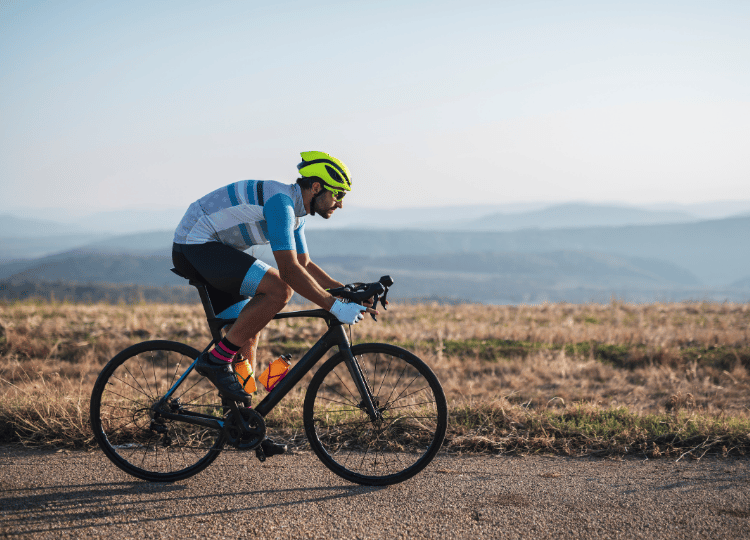
Cycling is one of the most effective low-impact exercises for improving cardiovascular fitness, building endurance, and strengthening muscles throughout the body. Whether you ride a road bike, mountain bike, stationary bike, or electric bike, cycling engages multiple muscle groups at the same time. While many people think cycling mainly targets the legs, it also activates the core, glutes, and even upper body muscles.
In this article, we’ll explore the major muscles worked during cycling, how different riding styles affect muscle activation, and tips for maximizing muscle engagement while riding.
Why Cycling Is a Great Full-Body Workout
Cycling combines aerobic exercise with muscular endurance training. Every pedal stroke requires coordinated movement from your lower body while your core stabilizes your posture and your upper body supports balance and control.
Some benefits of cycling include:
- Improved leg strength
- Better cardiovascular health
- Increased muscular endurance
- Low joint impact compared to running
- Enhanced balance and coordination
- Effective calorie burning
Because cycling is gentle on the knees and joints, it’s suitable for beginners, seniors, and people recovering from injuries.
Primary Muscles Worked During Cycling
Quadriceps
The quadriceps, located on the front of the thighs, are among the most heavily used muscles during cycling. These muscles are responsible for extending the knee and pushing the pedals downward.
How the Quadriceps Work
When you press down on the pedal during the power phase of pedaling, your quadriceps generate most of the force. The harder you pedal or the steeper the hill, the more your quads must work.
Benefits of Strong Quadriceps
Strong quadriceps help improve:
- Pedaling efficiency
- Sprint power
- Hill climbing ability
- Knee stability
Cyclists who ride frequently often develop noticeable muscle tone in the front of their thighs.
Hamstrings
The hamstrings are located at the back of the thighs. These muscles help bend the knee and assist with pulling the pedal upward during the recovery phase.
Hamstring Activation in Cycling
Although the quadriceps dominate the downward pedal stroke, the hamstrings become more active when cyclists use clip-in pedals or focus on smooth circular pedaling.
Why Hamstrings Matter
Strong hamstrings contribute to:
- Balanced leg strength
- Better pedaling mechanics
- Reduced injury risk
- Improved cycling endurance
Cycling helps develop endurance in the hamstrings without placing excessive stress on the joints.
Gluteal Muscles
The glutes, especially the gluteus maximus, are powerful muscles that play a major role in cycling performance.
How Cycling Works the Glutes
The glutes activate strongly during:
- Climbing hills
- Sprinting
- Riding at high resistance
- Standing while pedaling
These muscles help generate power and stabilize the hips during long rides.
Benefits of Glute Engagement
Well-developed glutes can improve:
- Cycling power
- Posture
- Hip stability
- Lower back support
Riders who increase resistance or ride uphill often feel greater activation in their glutes.
Lower Leg Muscles Used in Cycling
Calves
The calf muscles, mainly the gastrocnemius and soleus, help stabilize the ankle and transfer power through the foot during pedaling.
Role of the Calves
The calves assist during both the pushing and lifting phases of the pedal stroke. They become especially active during:
- Fast pedaling
- Climbing
- Sprinting
- Standing rides
Cycling and Calf Strength
Regular cycling can improve calf endurance and muscle definition, particularly in riders who cycle frequently or train with resistance.
Tibialis Anterior
This muscle runs along the front of the shin and helps lift the foot upward.
Why It Matters in Cycling
The tibialis anterior supports ankle control and contributes to smoother pedal movement. Although smaller than other cycling muscles, it still plays an important role in overall pedaling efficiency.
Core Muscles Worked During Cycling
Many people don’t realize that cycling is also an effective core workout.
Abdominal Muscles
Your abdominal muscles stabilize your torso while riding. They help maintain posture and prevent unnecessary upper body movement.
Core Engagement While Cycling
The core works harder during:
- Long-distance rides
- Mountain biking
- Standing climbs
- High-intensity cycling
A strong core helps cyclists maintain proper form and reduce fatigue.
Obliques
The obliques, located on the sides of the abdomen, assist with balance and rotational stability.
Benefits for Cyclists
Strong obliques improve:
- Bike control
- Balance
- Cornering stability
- Overall riding efficiency
Mountain bikers and outdoor cyclists often use their obliques more because of uneven terrain and directional changes.
Lower Back Muscles
The lower back muscles help support posture during rides, especially on long-distance cycling sessions.
Importance of Lower Back Strength
Weak lower back muscles can lead to discomfort during extended rides. Cycling can help build endurance in these muscles, although proper bike fit is also essential.
Upper Body Muscles Used During Cycling
Although cycling primarily targets the lower body, several upper body muscles also contribute.
Shoulders
Your shoulders help support your upper body weight while holding the handlebars.
Shoulder Activation
The shoulders work harder during:
- Mountain biking
- Standing climbs
- Aggressive riding positions
- Rough terrain riding
Strong shoulders improve bike handling and control.
Arms
The biceps and triceps help stabilize the arms and absorb shock while riding.
How the Arms Contribute
The arms assist with:
- Steering
- Braking
- Stability
- Balance
While cycling won’t build large arm muscles like weightlifting, it does improve muscular endurance in the upper body.
Chest Muscles
The chest muscles help stabilize the upper body, especially when leaning forward on a road bike.
Although chest activation is relatively low compared to the legs, these muscles still assist in maintaining posture and balance.
How Different Types of Cycling Affect Muscles
Road Cycling
Road cycling mainly develops muscular endurance in the:
- Quadriceps
- Hamstrings
- Calves
- Core
Long-distance road riders typically build lean, toned muscles rather than large muscle mass.
Mountain Biking
Mountain biking engages more total-body muscles because of rough terrain and constant body movement.
It heavily works:
- Core muscles
- Glutes
- Arms
- Shoulders
- Leg stabilizers
Mountain biking also improves balance and coordination.
Stationary Cycling
Indoor cycling bikes allow riders to adjust resistance levels, making them excellent for muscle endurance and cardiovascular fitness.
High-resistance indoor cycling sessions strongly activate the:
- Glutes
- Quadriceps
- Calves
Sprint Cycling
Sprint cycling focuses on explosive power and heavily develops:
- Glutes
- Quadriceps
- Hamstrings
Short, intense efforts can help cyclists build more muscle strength and power.
Electric Tricycle vs Electric Bike: What Muscles Do They Work?
Both electric bikes and electric tricycles provide excellent opportunities for exercise and muscle engagement. They work many of the same muscle groups, including the quadriceps, hamstrings, glutes, calves, and core. However, electric bikes generally require more balance, stabilization, and overall muscle activation, while electric tricycles focus more on comfort, accessibility, and stability.
For riders seeking a more intense workout and better core engagement, an electric bike may be the better option. For those prioritizing safety, comfort, and easy riding, especially seniors or beginners, an electric tricycle for adults can still provide meaningful exercise while reducing physical strain.
Does Cycling Build Muscle?
Cycling can build muscle, especially in the lower body. However, the amount of muscle growth depends on factors such as:
- Resistance level
- Ride intensity
- Nutrition
- Training frequency
- Genetics
High-resistance cycling and hill training stimulate more muscle development than casual low-resistance riding.
Cycling for Muscle Tone
Most recreational cyclists develop:
- Lean legs
- Strong glutes
- Improved muscle definition
- Better endurance
Cycling is particularly effective for toning muscles while also burning calories.
How to Increase Muscle Activation While Cycling
Increase Resistance
Higher resistance forces your muscles to work harder, leading to greater strength development.
Climb Hills
Hill climbing is one of the best ways to activate the glutes, quadriceps, and calves.
Stand While Pedaling
Standing shifts more work to the glutes and core while increasing overall muscle engagement.
Use Interval Training
Alternating between high and low intensity improves both cardiovascular fitness and muscular endurance.
Maintain Proper Bike Fit
A properly fitted bike helps ensure muscles work efficiently while reducing injury risk.
Is Cycling Better Than Running for Muscle Development?
Cycling and running both strengthen the legs, but cycling places less stress on the joints.
Advantages of Cycling
Cycling offers:
- Lower impact on knees
- Greater resistance control
- Longer workout duration
- Better recovery potential
Running may burn more calories per minute, but cycling often allows people to exercise longer with less discomfort.
Common Mistakes That Reduce Muscle Engagement
Riding With Very Low Resistance
Low resistance may improve cardio fitness but limits muscle strengthening benefits.
Poor Posture
Incorrect posture can reduce efficiency and place unnecessary strain on the back and shoulders.
Ignoring Core Engagement
A weak core can lead to fatigue and inefficient pedaling mechanics.
Overtraining
Too much cycling without recovery may cause muscle soreness, fatigue, or overuse injuries.
Conclusion
Cycling is far more than just a cardio workout. It strengthens multiple muscle groups throughout the body, especially the quadriceps, hamstrings, glutes, calves, and core. Different styles of cycling can emphasize different muscles, from endurance-focused road riding to full-body mountain biking and high-power sprint training.
Whether your goal is muscle tone, improved endurance, weight loss, or overall fitness, cycling provides an effective and low-impact way to strengthen the body. By increasing resistance, riding hills, and maintaining proper form, you can maximize muscle activation and enjoy the many physical benefits cycling has to offer.