
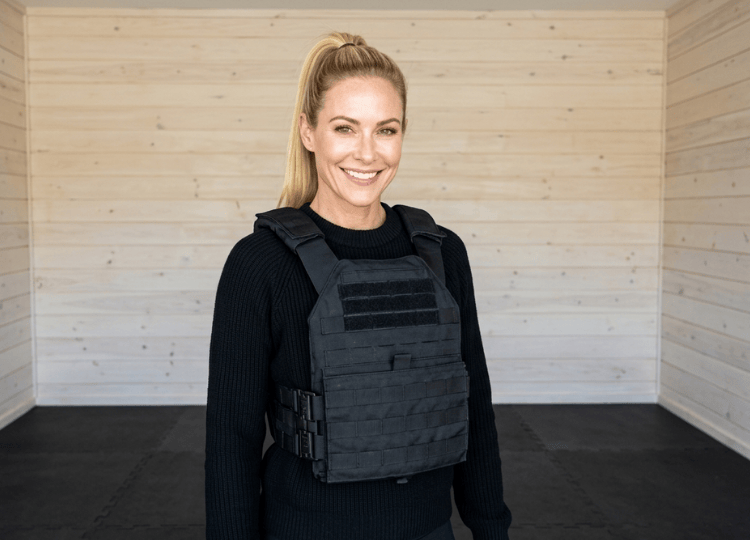
Walking is one of the easiest and most effective forms of exercise for people of all fitness levels. But many people wonder if adding a weighted vest can make walking even more beneficial. The answer is yes — when used correctly, a weighted vest can improve calorie burn, increase strength, boost endurance, and make regular walks more challenging without requiring intense workouts.
A weighted vest adds resistance to your body during movement. Instead of simply walking with your natural body weight, your muscles, bones, and cardiovascular system must work harder to support the extra load. This can turn an ordinary walk into a more effective full-body workout.
However, weighted vests are not suitable for everyone, and improper use can lead to strain or injury. Understanding the benefits, risks, and best practices is important before adding one to your fitness routine.
What Is a Weighted Vest?
A weighted vest is a fitness accessory designed to add extra weight evenly across your torso. Most weighted vests contain removable weights, allowing users to adjust the load according to their fitness level and goals.
Weighted vests are commonly used for:
- Walking
- Hiking
- Running
- Strength training
- Bodyweight exercises
- Military and athletic conditioning
Unlike carrying dumbbells or wearing a backpack, a weighted vest distributes weight more evenly across the body, helping maintain natural movement during exercise.
Is Walking with a Weighted Vest Effective?
Yes, walking with a weighted vest can be highly effective for improving fitness. Adding resistance increases the intensity of your walk without needing to move faster or cover longer distances.
Your body must exert more effort with every step, which can help:
- Burn more calories
- Increase cardiovascular endurance
- Strengthen muscles
- Improve posture
- Enhance bone density
- Build stamina
For many people, a weighted vest is a simple way to make low-impact walking more challenging while still being easier on the joints than activities like running.
Benefits of Walking with a Weighted Vest
Increased Calorie Burn
One of the biggest benefits of using a weighted vest for walking is increased calorie expenditure. Since your body carries additional weight, your muscles require more energy to move.
The heavier the vest and the longer the walk, the more calories you may burn compared to regular walking. This makes weighted vest walking popular for people trying to lose weight or improve overall fitness.
Improved Cardiovascular Fitness
Walking with added resistance forces your heart and lungs to work harder. Over time, this can improve cardiovascular endurance and aerobic capacity.
You may notice that normal walking feels easier after regularly training with a weighted vest because your body becomes more efficient at handling physical effort.
Stronger Leg Muscles
A weighted vest increases the workload on muscles such as:
- Quadriceps
- Hamstrings
- Glutes
- Calves
- Hip stabilizers
Even moderate resistance can help improve lower-body strength over time, especially when combined with hills or incline walking.
Better Bone Density
Weight-bearing exercise helps stimulate bone growth and maintenance. Walking with extra resistance may help improve bone density, which is especially important as people age.
This can potentially reduce the risk of osteoporosis and age-related bone loss when combined with proper nutrition and regular exercise.
Improved Posture and Core Strength
A properly fitted weighted vest engages the core muscles to help stabilize the body during movement. This can strengthen abdominal and back muscles while encouraging better posture.
Good posture during walking may also reduce stress on the lower back and improve overall movement efficiency.
Does Walking with a Weighted Vest Help with Weight Loss?
Walking alone can already contribute to weight loss when combined with a healthy diet. Adding a weighted vest increases workout intensity, helping you burn more calories in the same amount of time.
For example, a brisk 30-minute walk with a weighted vest may burn noticeably more calories than walking without added weight.
However, weight loss still depends on maintaining a calorie deficit. A weighted vest is a tool that can enhance exercise effectiveness, but nutrition remains an important factor.
People with busy schedules often look for ways to maximize workout efficiency. Weighted vest walking can provide more resistance without requiring additional gym equipment or complex training routines.
Is a Weighted Vest Good for Beginners?
Beginners Should Start Light
Weighted vests can be good for beginners if used carefully. Starting with too much weight too soon can place unnecessary stress on joints, muscles, and the spine.
A good starting point is usually:
- 5% to 10% of body weight
- Short walking sessions
- Flat surfaces
- Slow to moderate pace
As strength and endurance improve, weight and duration can gradually increase.
Focus on Proper Form
Maintaining proper walking posture is important when using a weighted vest.
Keep these tips in mind:
- Stand tall
- Keep shoulders relaxed
- Engage the core
- Avoid leaning forward
- Walk naturally
Poor posture while carrying extra weight may lead to back, knee, or hip discomfort.
Weighted Vest Walking vs Regular Walking
Intensity
Weighted vest walking increases exercise intensity without requiring faster movement. This makes it useful for people who cannot run or perform high-impact workouts.
Muscle Activation
The additional resistance activates more muscle fibers, especially in the legs and core.
Joint Stress
Although weighted walking is still relatively low impact, it does place more stress on joints compared to regular walking. Using too much weight can increase the risk of overuse injuries.
Calorie Expenditure
Walking with resistance generally burns more calories than standard walking at the same speed and distance.
How Heavy Should a Weighted Vest Be?
Start Small
Choosing the correct weight is important for safety and effectiveness.
General recommendations include:
Beginners
- 5 to 10 pounds
- Around 5% of body weight
Intermediate Users
- 10 to 20 pounds
- Around 10% to 15% of body weight
Advanced Users
- Heavier loads may be appropriate for experienced athletes
Most experts recommend avoiding extremely heavy vests during walking because excessive weight can negatively affect posture and joint health.
Who Can Benefit from Weighted Vest Walking?
People Trying to Lose Weight
Extra resistance increases calorie burn and workout intensity.
Older Adults
Weighted walking may help maintain muscle mass and bone density when approved by a healthcare professional.
Hikers
Hikers often use weighted vests to improve endurance and prepare for carrying backpacks during long treks.
Athletes
Athletes sometimes use weighted vests for conditioning and stamina training.
People Looking for Low-Impact Exercise
Walking with a vest can provide a challenging workout without the impact of running.
Potential Risks of Walking with a Weighted Vest
Joint Strain
Too much weight may stress the knees, hips, ankles, and lower back.
Poor Posture
Improper vest fit or excessive weight can cause forward leaning and back discomfort.
Muscle Fatigue
Using a weighted vest for too long may lead to overtraining or soreness, especially for beginners.
Increased Injury Risk
People with existing joint problems, back pain, or balance issues should consult a healthcare professional before using a weighted vest.
Tips for Safe Weighted Vest Walking
Choose a Properly Fitted Vest
The vest should fit snugly without bouncing excessively during movement.
Start Slowly
Begin with light weights and shorter walks before increasing intensity.
Use Good Walking Shoes
Supportive footwear helps reduce stress on the joints.
Avoid Excessive Weight
More weight does not always mean better results. Gradual progression is safer and more effective.
Listen to Your Body
Stop exercising if you experience pain, dizziness, or unusual discomfort.
Best Ways to Use a Weighted Vest for Walking
Neighborhood Walks
Adding a light vest to daily walks can increase fitness benefits without drastically changing your routine.
Incline Walking
Walking uphill with a weighted vest increases lower-body muscle engagement and cardiovascular challenge.
Hiking
Weighted vests can simulate carrying gear and improve hiking endurance.
Treadmill Walking
Using a weighted vest on a treadmill allows controlled speed and incline adjustments.
Can You Wear a Weighted Vest Every Day?
Using a weighted vest daily may be appropriate for some people, but recovery is still important. Your muscles and joints need time to adapt to added resistance.
Alternating between weighted and regular walking days can help reduce overuse injuries and excessive fatigue.
Beginners should avoid daily heavy weighted walking until their body adjusts.
Weighted Vest Walking for Seniors
Some seniors use weighted vests to improve balance, muscle strength, and bone density. However, safety is extremely important.
Older adults should:
- Use light weights
- Walk on stable surfaces
- Avoid steep terrain initially
- Consult a healthcare provider if they have medical conditions
When used carefully, weighted vest walking can support healthy aging and mobility.
Final Thoughts
A weighted vest can be an excellent addition to a walking routine when used properly. It increases workout intensity, burns more calories, strengthens muscles, and may improve endurance and bone health.
The key is to start with manageable weight, maintain good posture, and progress gradually. While weighted vest walking offers many benefits, using too much weight or poor technique can increase injury risk.
For many people, a weighted vest transforms ordinary walking into a more effective and efficient workout while still remaining relatively low impact. Whether your goal is weight loss, strength improvement, or better fitness, a weighted vest can help make your walks more challenging and rewarding.