
Let’s be honest: most of us have been guilty of the “more is more” mindset at some point. You push through another brutal set, leave the gym drenched in sweat, and wear your crippling soreness like a badge of honor. But if you’ve been training long enough, you eventually hit a wall. Progress stalls, joints start aching, and the enthusiasm just drains away.
That’s usually the moment you realize adaptation doesn’t happen when you’re lifting heavy or grinding on the treadmill—it happens when you step away and let your body rebuild.
Building a recovery routine isn’t about being lazy; it’s about making sure you can keep doing what you love ten or twenty years down the road. And while good sleep and solid nutrition do most of the heavy lifting, modern recovery tools can make a massive difference in how fast you bounce back.
Why Your Body Needs Cold Exposure
If you’ve paid any attention to fitness trends lately, you know cold therapy is having a moment. But behind all the social media hype, there’s solid biology at play.
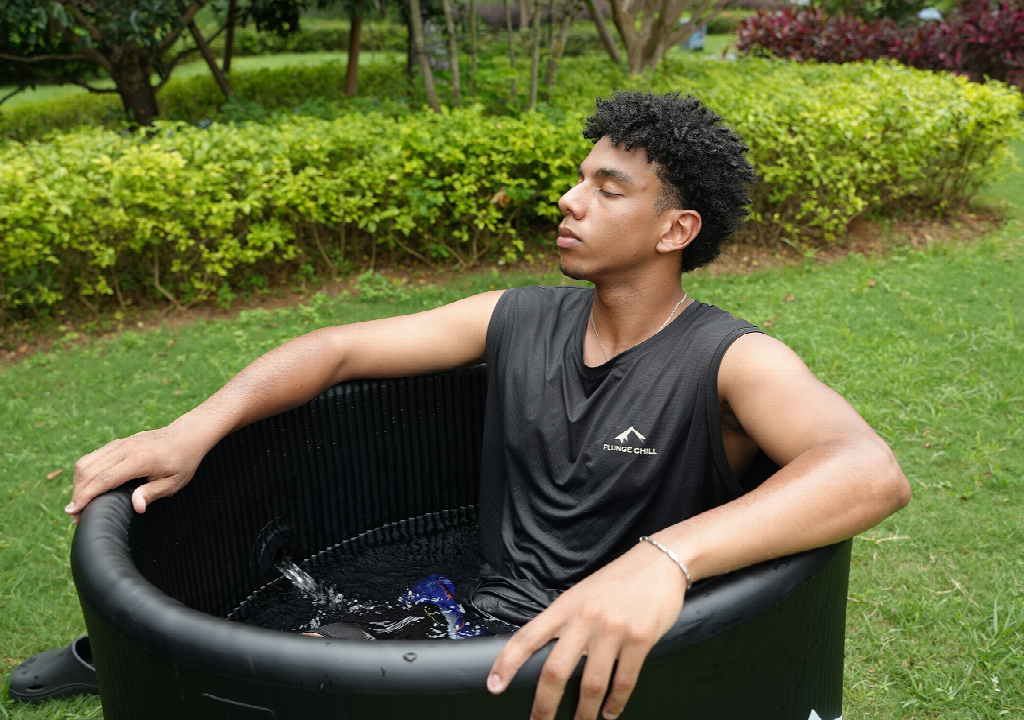
When you slide into ice-cold water, your blood vessels constrict almost instantly, forcing blood toward your core. Once you step out and warm back up, that blood rushes back to your tired tissues, bringing fresh oxygen and carrying away metabolic waste. It’s essentially a reset button for local muscle inflammation and delayed onset muscle soreness (DOMS).
Beyond the physical side, cold exposure acts as a mental calibration. It forces you to control your breath when your brain is screaming at you to jump out. That practice transfers directly into everyday stress management.
However, getting those benefits consistently requires precision. Trying to guess your water temperature with bags of melted ice rarely cuts it over time. Upgrading to a dedicated cold plunge chiller ensures your setup maintains an exact, stable temperature with clean water, turning an unpredictable ice bath into a reliable, high-performance recovery protocol.
The Ice Bucket Trap: Why Most Cold Routines Fail
Here’s the problem: most people try cold therapy by dumping a couple of $5 bags of gas station ice into an old bathtub.
It works the first two or three times. But by week three, the friction sets in:
- You’re tired of hauling heavy ice bags every morning.
- The water warms up in five minutes, so you never really know what temperature you’re getting.
- Keeping static water clean without constant draining becomes a gross, time-consuming nightmare.
Eventually, the hassle outweighs the benefits, and the habit dies. As the recovery experts at Plunge Chill often point out, “The best recovery routine isn’t the most extreme one—it’s the one that eliminates daily friction so you actually show up every single day.”
When your water stays continuously filtered, sanitized, and sitting at your exact target temperature (whether that’s 48°F or 55°F), getting in becomes as automatic as brushing your teeth. Consistency beats intensity every single time, and keeping your setup ready 24/7 is how you stay consistent.
How Chillers Beat the Old-School Ice Bath
If you’re weighing whether to stick with manual setups or automate your routine, it usually comes down to practical everyday reality:
- Temperature Control: Ice bags give you a guessing game that fluctuates constantly. An integrated chiller locks in your exact degree and holds it there.
- Setup Time: Instead of spending 30 minutes buying and melting ice, an automated tub is ready the second you step out of your workout.
- Maintenance: Static ice tubs require constant draining to avoid slime. Continuous inline filtration and sanitation handle the heavy lifting for you.
- Long-Term Cost & Effort: While a chiller requires an upfront investment, it eliminates the endless recurring cost of bagged ice and, more importantly, saves your mental energy.
Making Cold Therapy Work For You, Not Against You
To get the most out of your setup without sabotaging your progress, keep these practical tips in mind:
1. Watch Your Timing
If your main goal right now is building raw muscle mass, hold off on cold plunging immediately after your weight session. Cold therapy dampens the natural inflammatory signaling your body needs to trigger muscle growth. Instead, save your plunge for active recovery days, post-cardio sessions, or first thing in the morning for a huge dopamine surge.
2. Focus on the Exit Breath
Don’t just jump in and panic-breathe. Use cold water as a tool to train your autonomic nervous system. Focus on long, slow exhalations (think 4 seconds in, 6 to 8 seconds out). This forces your body out of “fight or flight” and into a parasympathetic, recovery-focused state.
3. Pair It With Heat
If you have access to a sauna, try contrast therapy. Switching between heat (which dilates your blood vessels) and cold (which constricts them) acts like an internal pump for your circulatory system, flushing out stiffness faster than either modality alone.
Frequently Asked Questions About Cold Plunging
If you’re looking to build a cold exposure habit, here are some of the most common questions athletes and fitness enthusiasts ask when getting started:
How cold should the water actually be?
For optimal athletic recovery and mental health benefits, you don’t need freezing ice water. Most sports science protocols recommend a temperature range between 48°F and 58°F (8°C to 14°C). Staying in this range provides all the physiological benefits—reducing inflammation and boosting dopamine—without putting unnecessary thermal shock on your system.
How long should I stay in the cold plunge?
Less is often more. Research suggests that a total of 11 minutes per week, broken down into 2-to-4-minute sessions, is all you need to reap the long-term metabolic and recovery benefits. If you’re using an automated setup where the water temperature is consistently maintained, 3 minutes post-workout or on rest days is the sweet spot for most people.
Should I cold plunge before or after a workout?
It depends on your primary goal:
- Before a workout: A quick 1-to-2-minute plunge raises core body temperature as your body fights back, sharpens focus, and increases alertness through a massive spike in dopamine and norepinephrine.
- After a workout: Plunging post-workout helps flush out metabolic waste, calms the nervous system, and reduces joint pain. Just remember to skip immediate cold immersion if your goal is building maximum muscle size (hypertrophy).
Can I just use a chest freezer or bags of ice instead of a chiller?
You can, but it usually isn’t sustainable. DIY setups require buying endless bags of ice, manual water changes every few days, and guessing the exact water temperature. A dedicated chiller system removes all that friction by keeping your water continuously filtered, clean, and set at your exact preferred temperature, making it far easier to turn cold exposure into an effortless daily habit.
Playing the Long Game
True fitness isn’t a 12-week sprint; it’s a lifelong strategy. Moving away from the outdated “no pain, no gain” dogma and giving your body legitimate, effortless ways to recover is the smartest move you can make. When you build a setup that fits seamlessly into your daily life, recovery stops being something you have to do and becomes something you actually look forward to.