

We may earn a small commission on some links at no extra cost to you. Learn more.
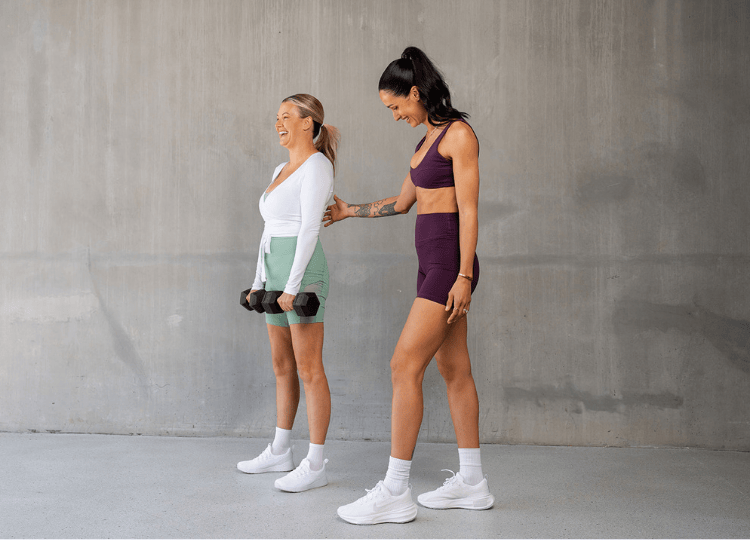
Becoming a new mum is one of the most joyful, exhausting, and life-changing experiences there is. In the middle of all of that, finding time and energy to look after your own body can feel like a low priority.
But staying active after having a baby is one of the best things you can do, not just for your physical recovery, but for your mental health too.
Regular movement after pregnancy helps rebuild strength in the core and pelvic floor, supports postural recovery, boosts energy levels, and can make a real difference to mood and stress. The early weeks and months of parenthood can be overwhelming, and exercise, even just 10 or 15 minutes a day, is one of the most reliable ways to carve out a bit of headspace and feel like yourself again.
The good news is that you do not need a gym membership or hours of free time.
The best postpartum workout apps bring expert-led, thoughtfully designed programmes directly to your phone, so you can train at home, around nap times, and at whatever pace feels right for your body.
Below, I share the best postpartum workout apps and programmes I have tried, to help you find the right fit for where you are right now.
TOP POSTPARTUM PROGRAMS FOR FITNESS & WORKOUTS
SWEAT
Best overall.
YOGA-GO
Best for gentle workouts.

MUTU
Best for pelvic floor.
Why Trust Us? Review Process Explained
Here at Fitness Drum, we believe in editorial integrity and providing genuine value to our readers. For this review, we used and tested over 17 popular fitness apps and programs (details at the bottom of the article), and evaluated them on price, ease of use, effectiveness, enjoyment and purpose.
Sweat – Best Overall
SWEAT
30+ million downloads, 34,000+ 5-star reviews, quality workout programs, meal planning, and community.
When it comes to postpartum fitness, Sweat is in a league of its own. It is one of the most established women’s fitness apps in the world, and what sets it apart for new mums is the depth and variety of its postpartum programming. Rather than offering a single generic post-baby workout plan, Sweat has built out a full journey, from pregnancy all the way through to returning to full-strength training, with multiple certified trainers guiding you at each stage.
What I found particularly impressive is that a single Sweat membership gives you access to all of it. You could start with Pregnancy Barre with Britany Williams during your pregnancy, a 9-week low-intensity barre programme designed to help you feel strong and stay active right through to birth, and then move seamlessly into postpartum recovery without needing to look anywhere else.
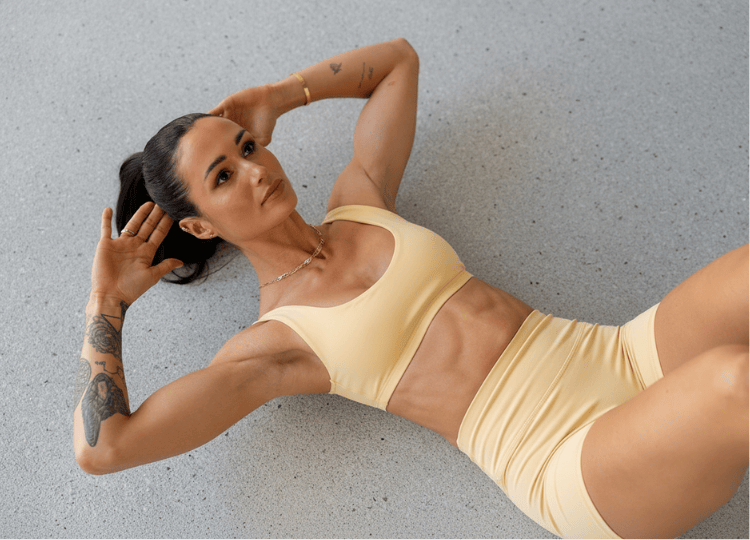
For early postpartum, Post-Pregnancy Core and Restore with Britany Williams is a 12-week programme that addresses the issues many women face after birth, including diastasis recti, pelvic floor dysfunction, back pain, poor posture, and muscle weakness. Sessions run from just 10 to 30 minutes, three to four times a week, and incorporate breathwork alongside gentle resistance training.
Post-Pregnancy with Sarah Smith is another standout, a 20-week programme focused on progressively rebuilding strength with minimal equipment. It is one of the most thorough postpartum programmes I have come across, and the 20-week structure means you are never rushed. When you are ready to progress, Post-Pregnancy Level Up with Sarah Smith acts as a bridge into more challenging training, with four 30 to 45 minute sessions per week that continue to build lifting technique and pelvic floor engagement while gradually increasing intensity.
For women who have had a C-section or a more complex delivery, Post-Pregnancy with Kayla Itsines includes four foundational weeks specifically designed for that situation, before progressing into core and pelvic floor rebuilding. It was developed with input from obstetricians and clinical exercise physiologists, which gives it a level of credibility that matters when you are navigating recovery.
Beyond the postpartum content, the app is home to over 60 programmes and 13,000 workouts spanning strength, HIIT, yoga, barre, Pilates, and more. So once you are through the postpartum phase, there is more than enough to keep you progressing for the long term. The community is also genuinely one of the best I have encountered in a fitness app, with an active forum, shared challenges, and a real sense of people supporting each other.
A 14-day free trial is currently available at the time of writing, so definitely worth giving it a try.
Yoga-Go – Best for Gentle Workouts
YOGA-GO
Yoga, Pilates, Chair Yoga and more, 2,000+ exercises for all abilities, flexible session lengths, free trial available.
Not everyone wants or feels ready for structured strength training in the early weeks after birth. Sometimes you just want to move gently, breathe, and reconnect with your body. That is where Yoga-Go comes in.
What surprised me about Yoga-Go is how much variety it packs in. It is not just yoga. The app includes Pilates, Tai Chi, Chair Yoga, Wall Pilates, and somatic exercises, all of which are ideal for the gentle, low-impact movement that the postpartum period calls for. Sessions run from just 7 minutes upward, which is genuinely useful when free time is unpredictable.
The guided instruction is clear and well-paced, and I found it easy to follow along even when I was tired. The somatic exercise content in particular stood out as something I have not seen done as well elsewhere, and it sits naturally alongside the yoga and Pilates as a way of rebuilding body awareness after pregnancy. A free trial is available to get started.
MUTU System – Best for Pelvic Floor
MUTU SYSTEMS
MUTU System is a clinically proven, NHS-endorsed 12-week pelvic floor and core rehabilitation programme, available via one-time lifetime payment after a 10-day free trial.
If pelvic floor recovery is your priority, MUTU System is the standout choice. It is a clinically proven, medically recommended 12-week programme built specifically around core and pelvic floor rehabilitation after pregnancy, and the evidence behind it is genuinely impressive.
MUTU has been the subject of independent clinical trials and has NHS contracts in the UK. Research has shown it leads to measurable reductions in pelvic organ prolapse, urinary incontinence, and pelvic pain, and in NHS trials, 100% of GP practice patients reported increased confidence in performing their pelvic floor exercises correctly.
Using it feels different to most fitness apps. The pace is deliberate and the focus is therapeutic rather than performative. Sessions start at just 12 minutes and require no equipment, which makes it easy to fit into even the most demanding newborn schedule. There is also a nutrition guidance component and daily walking targets built into the programme. A 10-day free trial is available, and a one-time payment option gives you lifetime access, which is unusual and worth noting.
Yazio – Best for Habit Tracking

YAZIO
Yazio is a nutrition and habit tracking app with a 4M+ food database, water tracking, and meal planning.
Postpartum health is not just about exercise. Sleep deprivation, breastfeeding, and the general chaos of life with a newborn can make it really hard to stay on top of nutrition, hydration, and basic habits. Yazio addresses that side of recovery better than any app I have tested.
With over 100 million users worldwide, Yazio is one of the most used nutrition and habit tracking apps available. The food database covers over 4 million items, barcode scanning makes logging quick, and the meal planning section takes the guesswork out of eating well when time and energy are short. There is also a water tracker with reminders, step tracking, and daily habit check-ins that I found genuinely helpful for building consistency without pressure.
It is not a postpartum-specific app, but for new mums looking to rebuild healthy eating habits and stay on top of their wellbeing during a demanding period, it fills a gap that most workout apps leave wide open. A free tier is available, with premium plans at $24.99 per month or $169.99 per year.
Pvolve – Best for Low Impact
PVOLVE
Pvolve is a low-impact, science-led fitness app with dedicated postnatal and pelvic floor workouts, including specialized low-impact equipment.
Pvolve takes a science-led approach to fitness that is built around functional, low-impact movement, and it translates particularly well to postpartum training. The method focuses on movements that work with how the body is actually designed to move, which feels especially relevant when you are rebuilding after pregnancy.
The app includes dedicated postnatal workouts within its Women’s Wellness category, alongside pelvic floor-focused classes and progressive full-body sessions.
I found the production quality high and the instruction clear, with a good range of session lengths.
The app is $15 per month after a 7-day free trial, which makes it one of the more affordable options here. It is worth noting that Pvolve has a range of proprietary resistance equipment that some programmes use, and these can be bought as part of a bundle with an app subscription to save money.
Obé Fitness – Best for On-Demand Classes
OBE FITNESS
Obé Fitness is a high-variety on-demand workout app with 10,000+ classes, 85 dedicated postnatal sessions, and strong filtering.
If variety and energy are what keep you motivated, Obé Fitness is hard to beat. The library runs to over 10,000 on-demand workouts across more than 20 class types, including barre, Pilates, strength, yoga, and dance cardio, and the filtering options are excellent. You can search by length, intensity, equipment, impact level, and even music style, which makes it easy to find exactly what you are in the mood for on any given day.
For postpartum specifically, the app includes 85 dedicated postnatal classes alongside 172 prenatal ones, and over 4,500 classes require no equipment at all. What I enjoyed most about Obé is the tone of it. The classes feel fun and non-intimidating, which matters a lot when you are easing back into exercise and your confidence might not be where it was. Plans are around $24.99 per month or $169.99 per year, with a free trial available.
What Makes a Great Postpartum Workout App?
The best postpartum apps take a science-backed, gradual approach to rebuilding strength.
They prioritise the pelvic floor and core from the start, offer short and flexible sessions that fit around a newborn’s schedule, require minimal or no equipment, and can be done entirely from home.
A supportive community is a bonus that should not be underestimated either, because knowing other women are going through the same journey makes a real difference.
Benefits of Following a Postpartum Programme
Following a structured postpartum programme does more than just help you get back in shape. The physical and mental benefits are wide-ranging, and often the ones you do not expect end up mattering the most.
Pelvic floor and core recovery
Pregnancy places significant pressure on the pelvic floor and stretches the core muscles, and for many women these do not simply bounce back on their own. A structured programme that addresses these areas gradually and safely can help reduce or resolve issues like urinary incontinence, pelvic organ prolapse, and diastasis recti, all of which are far more common after birth than many people realise.
Improved energy levels
It sounds counterintuitive when you are already exhausted, but regular gentle movement is one of the most effective ways to increase energy. Even a 10 to 15 minute session can leave you feeling more alert and less depleted than before you started.
Mental health and stress relief
Exercise is one of the most well-researched natural tools for managing stress, anxiety, and low mood. The postpartum period can bring significant emotional challenges, and building a consistent movement habit is one of the most constructive ways to support your mental wellbeing during that time.
Rebuilding strength and confidence
Pregnancy changes the body in profound ways, and it takes time to feel strong and confident in it again. A progressive, well-designed programme removes the guesswork and gives you a clear path forward, which in itself can feel empowering when so much else feels uncertain.
Structure in an unstructured time
New parenthood can feel like a constant blur. Having a workout routine, even a short one, provides a point of consistency and something that is just for you. That matters more than it might sound.
FAQs
When can I start exercising after having a baby?
You should always get clearance from your doctor or midwife before starting any postpartum exercise programme. For most women, gentle movement like walking and pelvic floor exercises can begin shortly after birth, while more structured exercise is typically cleared at the 6-week postnatal check. Women who have had a C-section may need longer.
Do I need any equipment for these apps?
Most of the apps on this list can be used with little to no equipment. Sweat, MUTU System, Yoga-Go, and Obé Fitness all have extensive programmes requiring nothing more than a mat. Pvolve has some equipment-based classes, but the majority can be done without their proprietary kit.
Which app is best if I am dealing with diastasis recti?
MUTU System and Sweat’s Post-Pregnancy Core and Restore with Britany Williams are both specifically designed with diastasis recti in mind. Both take a clinically informed, gradual approach to rebuilding core function safely.
Can I use more than one of these apps at the same time?
Yes, and for many new mums it makes sense to combine them. A common approach would be using MUTU System or Sweat for structured workouts while using Yazio alongside it for nutrition and habit tracking.
Are these apps suitable for C-section recovery?
Sweat’s Post-Pregnancy with Kayla Itsines includes a dedicated four-week phase for women recovering from C-sections. MUTU System is also suitable after C-section, though as always, medical clearance should be obtained before starting.
Methodology
To create this comprehensive review, we tested and used the following fitness/workout apps and programs: Fitbod, Alpha Progression, Beachbody, Openfit, Pvolve, Centr, Stronglifts, MyFitnessPal, 8fit, VAHVA, The Movement Athlete, DailyBurn, Obe Fitness, JEFIT, Nike Training Club, Tone It Up, StrongrFastr, Pliability, StretchIt, Future, ATG, Caliber, Strength Well, Home Workout – No Equipment, Strava, Peloton, Virtuagym, 7 Minute Workout, HIIT Down Dog, Asana Rebel, Fitify, Adidas Training, Shred, Yazio, Cronometer, FitOn, Mobility Manual, Gymondo, Sweat and Sworkit.
Bottom Line
The best postpartum fitness app is the one you will actually use consistently. If you want the most comprehensive, well-structured postpartum journey available, Sweat is the clear overall winner. For pelvic floor rehabilitation, MUTU System stands alone. For gentle movement and flexibility, Yoga-Go is a strong choice.
And if building healthy habits and staying on top of nutrition is where you need the most support, Yazio fills that gap better than anything else out there.
Whatever stage of postpartum recovery you are at, there is an app here that can meet you where you are.
Related Articles
Best Strength Training Apps for Women