
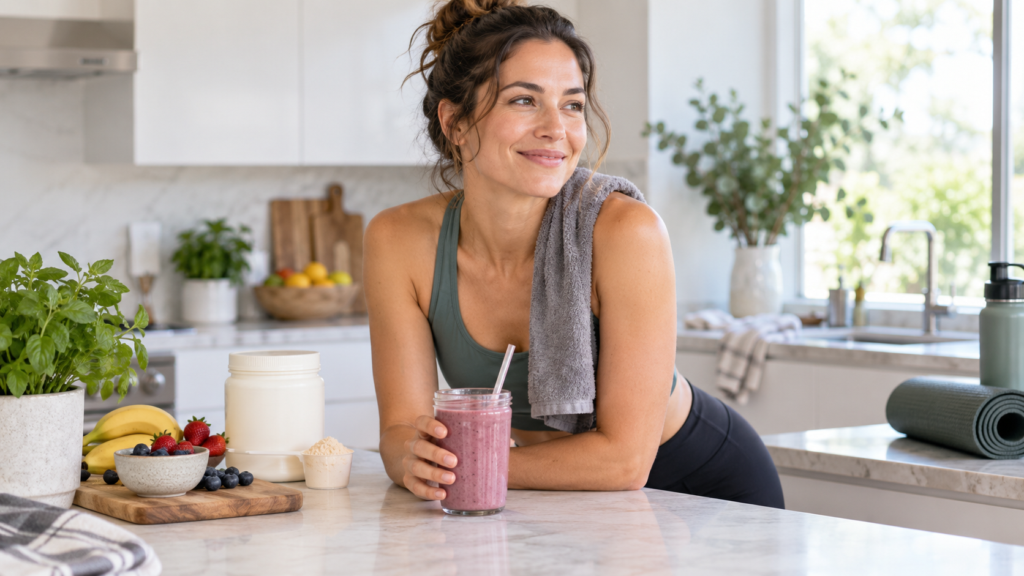
Feeling comfortable during exercise can make a bigger difference than you might think. Whether you’re heading out for a run, lifting weights at the gym, or following a workout at home, small physical distractions can affect how much you enjoy being active.
Clothing that rubs, poorly fitting underwear, and skin irritation can all make exercise less enjoyable. For some women, discomfort may also relate to individual anatomical differences or sensitivity in certain areas of the body.
The good news is that there are plenty of ways to make workouts more comfortable. From choosing the right clothing to finding activities that suit your body, a few adjustments can help you feel more confident and focus on getting the most out of your training.
1. Why Workout Comfort Matters
Exercise should challenge you, but it shouldn’t leave you constantly distracted by discomfort.
Physical comfort plays an important role in how confident you feel during a workout. If you’re repeatedly adjusting your leggings, dealing with rubbing skin, or worrying about how your clothes fit, it can become difficult to concentrate on your movements.
Over time, these seemingly small frustrations can affect consistency. You might start avoiding certain exercises, cutting workouts short, or choosing not to participate in activities you would otherwise enjoy.
Comfort can also influence your enjoyment of exercise. When you’re not distracted by unnecessary irritation or pressure, it’s easier to concentrate on your technique, build confidence, and appreciate the benefits of being active.
It’s worth remembering that everyone’s body is different. What feels comfortable for one person might not work for someone else. Finding the right combination of clothing, equipment, and activities is often a process of trial and error.
2. Choose Workout Clothes That Fit Well
Your workout clothing can have a surprisingly big impact on how comfortable you feel during exercise.
The best options aren’t necessarily the most expensive or fashionable. Instead, look for clothing that allows you to move freely, provides suitable support, and doesn’t create unnecessary friction.
A few things to consider include:
- Leggings and shorts: Look for a comfortable waistband that stays in place without digging into your skin. Seam placement can also make a difference, particularly around the inner thighs and hips.
- Underwear: Choose underwear that fits properly and doesn’t bunch, ride up, or create pressure during movement. Seamless designs can be helpful if you find traditional seams irritating.
- Breathable fabrics: Materials that help manage moisture can reduce the discomfort associated with sweat during longer or more intense workouts.
- Sports bras: A properly fitted sports bra can provide support and reduce movement-related discomfort, particularly during running and jumping.
It’s also worth paying attention to how clothing feels when you’re actually exercising.
A pair of leggings might feel perfectly comfortable when standing still but become restrictive during squats or lunges. Try a few basic movements when testing new workout clothes to make sure they stay comfortable throughout your range of motion.
3. Prevent Chafing and Skin Irritation
Chafing is one of the most common reasons exercise becomes uncomfortable, particularly during activities involving repetitive movement.
It happens when skin repeatedly rubs against skin or clothing. Sweat and moisture can make the problem worse, leaving affected areas red, sore, and irritated.
Different activities can create friction in different places.
Running: The repetitive movement of running can cause chafing around the inner thighs, underarms, and areas where clothing seams rub against the skin. Well-fitting running shorts and moisture-wicking fabrics can help.
Cycling: Longer rides can create pressure and friction around the groin and inner thighs. Padded cycling shorts, appropriate saddle positioning, and clothing designed specifically for cycling can make a difference.
Strength training: Exercises such as squats, lunges, and deadlifts involve repeated movement around the hips and thighs. Clothing that stays in place and allows unrestricted movement can help prevent irritation.
There are also a few general ways to reduce the likelihood of chafing:
- Apply an appropriate anti-chafing balm to areas prone to friction before exercising.
- Change out of sweaty workout clothes as soon as practical.
- Wash workout clothing regularly using a gentle detergent.
- Avoid clothing that feels excessively tight or creates pressure when moving.
- Allow irritated skin time to recover before repeating activities that make it worse.
If irritation becomes painful, persistent, or starts to develop into broken skin, it’s worth seeking medical advice rather than simply trying to exercise through it.
4. Understand Intimate Discomfort During Exercise
Some exercise-related discomfort is less obvious and can be more difficult to discuss.
For women, certain activities can cause pressure, rubbing, or irritation around the vulval area. This can happen during running, cycling, horse riding, or exercises that involve repeated hip and leg movements.
There isn’t always one clear explanation.
Friction from tight clothing, moisture, sensitive skin, and individual anatomical differences can all contribute. For example, some women may find that the shape or size of their labia causes additional rubbing against underwear or workout clothing during particular movements.
This doesn’t automatically mean there’s an underlying medical problem. However, discomfort that regularly interferes with exercise shouldn’t simply be dismissed as something you have to put up with.
A few adjustments may help:
- Experiment with different underwear styles and fabrics.
- Choose workout clothing with comfortable seams and minimal friction.
- Consider whether certain exercises or equipment create additional pressure.
- Take breaks from activities that repeatedly cause irritation.
If discomfort persists, speak with a qualified healthcare professional. Pain, swelling, unusual discharge, skin changes, or recurring irritation are all reasons to seek appropriate advice.
A clinician can help identify whether the problem relates to friction, a skin condition, infection, or another underlying cause.
5. Understanding Your Options for Persistent Discomfort
For some women, intimate discomfort during exercise continues despite trying different clothing, adjusting their training, and addressing potential sources of irritation.
In these situations, understanding the available options can be helpful.
Some women explore medical or surgical treatments when they experience persistent concerns relating to their labia. One example is labiaplasty, a procedure that changes the size or shape of the labia.
Although it’s sometimes discussed in the context of cosmetic surgery, some women consider it because of physical concerns, including discomfort during exercise, clothing-related irritation, or difficulties with certain everyday activities.
However, surgery isn’t necessary for most women experiencing exercise-related discomfort. There may be other explanations for the symptoms, and conservative approaches are often more appropriate.
Anyone considering treatment should speak with a suitably qualified clinician who can explain the potential risks, benefits, limitations, and alternatives.
It’s also important to understand that surgical procedures carry risks and aren’t guaranteed to resolve every source of discomfort.
For women looking to understand their options, accessing reputable information about women’s wellness care in Mansfield, OH can be a useful starting point for exploring available support and professional guidance.
Ultimately, decisions about intimate health should be personal, informed, and based on individual circumstances rather than pressure to change how your body looks.
6. Build a Workout Routine That Works for You
Feeling more comfortable during exercise isn’t just about what you wear. The type of activity you choose and how you structure your workouts can also make a difference.
If a particular exercise consistently causes discomfort, consider whether there’s an alternative that works the same muscle groups without creating the same irritation.
For example, if cycling creates uncomfortable pressure, you could temporarily switch to walking, swimming, or strength training while exploring adjustments to your bike setup.
A few other ways to build a more comfortable routine include:
Start at a manageable intensity. Increasing exercise duration or intensity too quickly can contribute to soreness and irritation. Build up gradually and give your body time to adapt.
Find suitable equipment. Small adjustments to your running shoes, bike saddle, sports bra, or workout clothing can have a noticeable effect on comfort.
Listen to your body. There’s a difference between the expected effort of exercise and discomfort that signals something isn’t right. Don’t feel obliged to push through persistent pain.
Experiment with different activities. Walking, Pilates, swimming, resistance training, and cycling all offer different benefits. Finding activities you genuinely enjoy makes it easier to stay consistent.
Make recovery a priority. Rest days, adequate sleep, and changing out of sweaty clothing after exercise all contribute to a more sustainable approach to training.
Most importantly, avoid comparing your experience with someone else’s. Your ideal workout routine should reflect your preferences, abilities, and individual needs.
7. Final Thoughts
Feeling comfortable during exercise is about more than finding the right leggings or choosing a suitable sports bra. It’s about understanding your body, recognising what makes movement enjoyable, and addressing problems that interfere with your ability to stay active.
Small changes to clothing, equipment, and training habits can often make a significant difference. However, persistent discomfort, particularly around sensitive areas, deserves appropriate attention rather than being something you simply learn to tolerate.
Exercise should be challenging in the right ways, but it should also feel manageable and enjoyable.
Find what works for your body, make adjustments when necessary, and remember that feeling confident during a workout starts with feeling comfortable.