
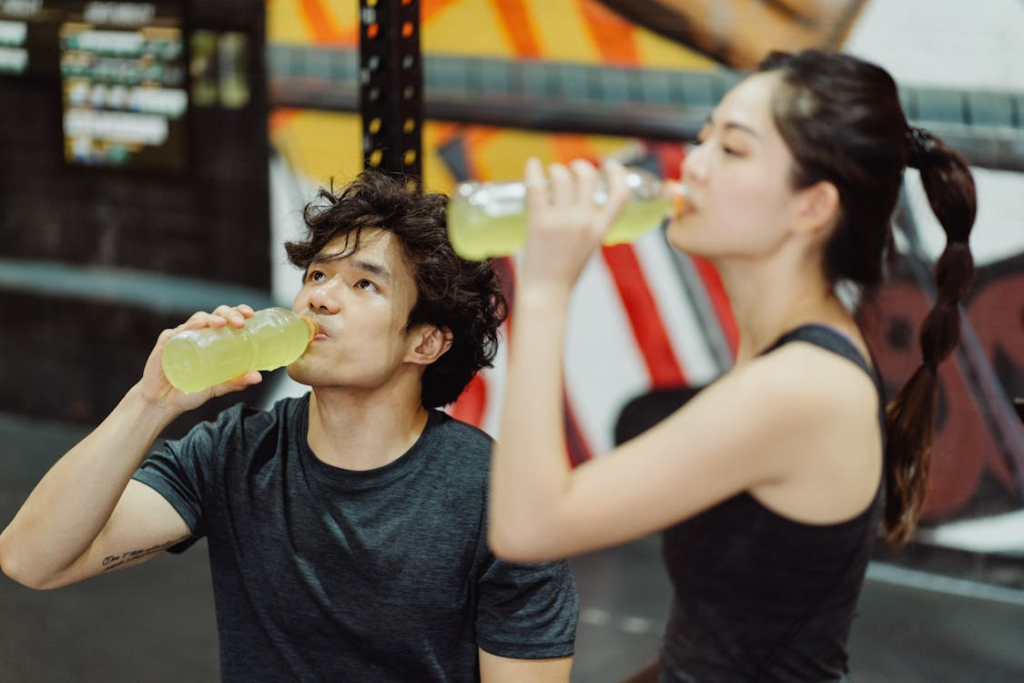
Water gets the job done… most of the time.
Sometimes water just doesn’t do the trick. After an intense workout, red-eye flight or bout of diarrhea, sometimes water just makes you feel worse. Why? Water doesn’t replenish what your body loses during exercise or sickness: electrolytes.
Hydration trends have ballooned in the last few years. The electrolyte drinks market is worth over $38 billion and is projected to approach $70 billion by 2034. There are ads everywhere. Powders. Tablets. Ready-to-drink bottles. The options are endless.
So when does upgrading actually matter? And when is plain water just fine?
This guide covers the electrolyte drink vs sports drink debate, when to opt for plain water, and how to choose the correct hydrator for your daily needs. Hydration comparison guides like DripDrop vs. Liquid IV can help you choose the right formula once you know it’s time for an electrolyte drink.
Here’s what’s covered:
- Why Water Isn’t Always Enough
- Electrolyte Drinks vs. Sports Drinks: What’s The Difference?
- When To Upgrade From Water
- How To Pick The Right Hydration Option
Why Water Isn’t Always Enough
Water hydrates. That’s obvious.
Hold on… When you sweat a lot, breathe deeply or become ill – you lose not only water, but essential minerals such as sodium, potassium, magnesium and calcium.
These minerals are called electrolytes, and they do some pretty important jobs:
- Help your muscles contract and relax properly
- Keep your nerves firing correctly
- Maintain fluid balance inside and outside your cells
- Regulate blood pressure and pH levels
If you replenish lost fluid with water alone, you are further diluting the electrolytes that remain in your body. That’s why guzzling water following an intense sweat session can make you feel tired, cramped or lightheaded.
Dehydration is actually more prevalent than many people realise. Research suggests that between 17% and 28% of older adults living in the United States experience clinical dehydration at any given moment.
That’s a lot of people walking around running on empty.
Electrolyte Drinks vs. Sports Drinks: What’s The Difference?
Most people think they’re the same thing. They’re not.
Sports drinks like Gatorade and Powerade were built for athletes. They typically contain:
- Water
- Electrolytes (mostly sodium and potassium)
- Sugar — usually a lot of it
- Artificial flavors and colors
Sugar has its purpose. It provides athletes with quick energy during strenuous activity. Good if you’re playing a 90 minute game of soccer. Not so good if you sit at a desk for 8 hours.
Electrolyte drinks (you know, DripDrop, Liquid IV, LMNT) are the newest classification. Designed for hydration first, these are lower in sugar with higher concentrations of electrolytes. Many brands use a formula clinically proven to treat dehydration called Oral Rehydration Solution (ORS).
Here’s the simple breakdown:
- Sports drinks = Fuel + hydration for hard exercise
- Electrolyte drinks = Fast, focused hydration for daily use, illness, or recovery
The worldwide market for sports drinks is expected to reach $60 billion by 2035. Both segments are exploding because people are finally learning hydration isn’t all water.
When To Upgrade From Water
Let’s get practical.
You have plenty of water for most days. If you’re lounging around the house working from home or running errands/ taking a leisurely stroll – you don’t need an electrolyte beverage.
But there are specific situations where upgrading really does make a difference.
Heavy Sweating
If you’re sweating buckets, water alone won’t cut it. This includes:
- Long runs, bike rides, or gym sessions over 60 minutes
- Hot yoga or sauna sessions
- Outdoor work in heat and humidity
- Manual labor jobs
You can lose 1,000mg or more of sodium in an hour of intense exercise. Water simply doesn’t replace it.
Illness
Stomach bugs, fevers, and food poisoning all drain fluids fast.
Electrolyte drinks work much better than water because they allow your body to absorb more fluids. This is why hospitals give dehydrated patients ORS-style drinks.
Travel & Hangovers
Long flights dry you out. Alcohol does too.
Both deplete you of sodium and potassium, which is why you feel so rough in the morning. Drinking a glass of water before bed won’t help you. Drink one of those electrolyte beverages.
Hot Weather
The hotter it gets, the more you sweat. If you’re outside during the summer months, electrolytes will help you stay focused and prevent muscle cramps and heat fatigue.
Low-Carb or Keto Diets
This one surprises people…
When you reduce carbs your body retains less water and excretes electrolytes at a faster rate. This is why the majority of individuals on keto experience “keto flu” symptoms like headaches, tiredness and brain fog during week 1.
A daily electrolyte mix can wipe those symptoms out almost completely.
How To Pick The Right Hydration Option
Not all hydration products are created equal.
When choosing between brands and formulas, look at these key things:
- Sodium content: Look for at least 200-500mg per serving for serious rehydration
- Sugar levels: Lower is usually better unless you actually need fuel for sport
- Other electrolytes: Quality formulas include potassium, magnesium, and zinc
- Artificial ingredients: Fewer is better — watch for unnecessary colors and sweeteners
The reality is that there’s no single “best” hydration drink. It all depends on what you plan to use it for. An ultra-ender needs a different drink than someone sitting at a desk who is trying to recover from the flu.
A simple rule of thumb:
- Normal day at home or office = Water
- Workout under 60 minutes = Water
- Intense workout, illness, hangover, travel, heat = Electrolyte drink
- Long endurance sport with sugar needed for fuel = Sports drink
It really is that simple.
The Bottom Line
Water is still king. Don’t overcomplicate it.
Sometimes switching up from water matters – and failing to do so can leave you exhausted, brain foggy or worse.
The electrolyte drink vs sports drink decision really comes down to context:
- Need hydration? Reach for an electrolyte drink
- Need fuel and hydration during sport? Sports drinks have their place
- Just thirsty on a normal day? Water does the job perfectly
Water needs vary. Listen to your body’s signals, choose the appropriate beverage and you will soon feel better.
So the next time someone tries to solve all your problems by saying “just drink more water” — you’ll know when that’s helpful advice, and when it’s not.