
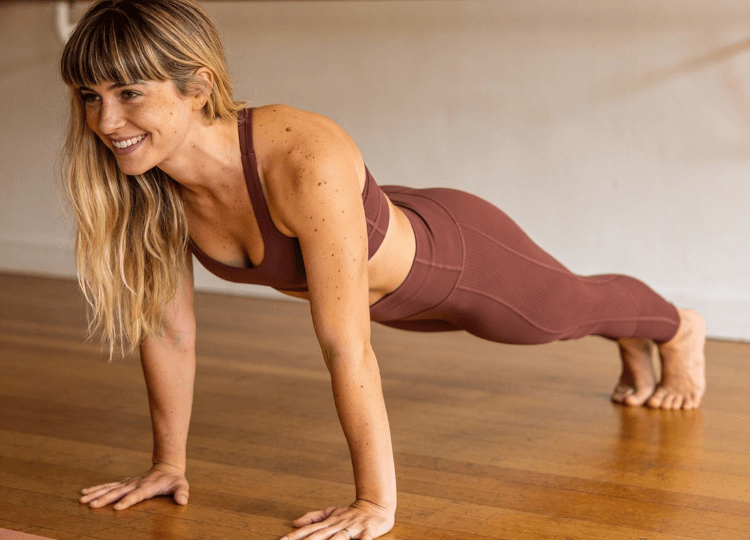
Waking up feeling groggy can make the rest of your day a slog. You hit snooze, drag yourself out of bed, and maybe even consider skipping breakfast just to get moving. But honestly, there’s a better way to kick things off—and it takes less time than most people spend scrolling through their phones in the morning.
A 15-minute morning workout can wake up your body and mind, boost your metabolism, and set you up for a more energetic day. You don’t need any fancy gear or a gym pass. Just carve out a little space at home and give yourself a quarter of an hour—you might be surprised how different you feel.
This quick routine works because it gets your blood flowing and wakes up your muscles right when they need it. You’ll see how morning movement can change your energy levels for the better, and how to build a simple routine that actually fits your life. The trick? Picking the right exercises and sticking with them.
Boosting Energy and Focus for Your Day
A 15-minute morning workout does more than just stretch your muscles. It sparks physical and mental changes that help you feel alert and ready to tackle the day.
How Gentle Movement Activates Your Body
During sleep, your body’s basically in low-power mode—heart rate slows, muscles stay still, everything just kind of rests. When you start moving in the morning, you’re telling your body it’s time to get going.
Gentle movements like stretching and easy exercises help your muscles wake up without shocking your system. Your muscles warm up, your joints loosen, and your body temp creeps up a bit.
You’ll probably notice less stiffness in your neck, shoulders, and back. Plus, your body starts releasing hormones that help you feel awake and energized.
Supporting Healthy Circulation
Moving around gets your blood pumping more efficiently. When you exercise, your heart works a bit harder and pushes oxygen-rich blood to your muscles and organs.
That boost in circulation means your brain gets more of what it needs, so you can think a little clearer and react a bit quicker. Your muscles get the fuel they need too.
If you’ve ever felt sluggish or foggy in the morning, poor circulation could be part of it. A quick workout helps reverse that—you might notice warmer hands and feet, looser muscles, and just an overall sense of being more awake.
Enhancing Mental Clarity
Physical activity gets your brain to release chemicals that lift your mood and help you focus. These natural boosts can make you feel more alert and ready to pay attention.
Exercise also bumps up oxygen delivery to your brain. It’s a simple thing, but it helps you process info faster and remember stuff better.
Morning workouts can clear out some of that mental fog. You might find decisions come easier and you stay on task longer. A lot of people say they’re more productive all day after moving in the morning.
The Role of Breathwork in Morning Routines
Breathing exercises are a great partner to physical movement. Deep, steady breaths draw more oxygen into your body.
Paying attention to your breath during exercise can help calm your nerves and create a balanced, alert feeling—not jittery or anxious, just ready to go.
Try breathing in through your nose for four counts and out through your mouth for four. It’s simple, but it can help you feel more centered and focused. Plus, it helps your body use oxygen better during your workout.
Designing Your Quick Routine
A solid 15-minute workout comes down to having the right moves, a bit of fun, and a way to keep yourself going. These pieces make it easier to build a habit that actually lasts.
Essential Moves for Every Fitness Level
Beginners can start with bodyweight moves that don’t feel overwhelming. Marching in place, wall push-ups, and seated knee lifts are all good picks. They warm up your muscles without putting too much pressure on your joints.
Try doing each exercise for 30 seconds, with 15-second breaks in between. It’s enough time for your body to adjust and start building strength.
Intermediate exercisers might want to add regular push-ups, bodyweight squats, and standing knee raises. Lunges and plank holds for 20-30 seconds are great too. They push your muscles a bit more, but you can still focus on good form.
Advanced fitness levels can jump into moves like jump squats, burpees, and mountain climbers. Toss in tricep dips (use a sturdy chair) and full planks with leg lifts. Keep rest periods short—about 10 seconds—to keep your heart rate up.
Mix 3-4 exercises from your level and repeat the circuit 2-3 times. That structure fits nicely into 15 minutes and gives you a full-body workout.
Tips for Making Workouts Enjoyable
Music can totally change the vibe of your morning workout. Pick songs that get you moving—4 or 5 upbeat tracks should do it.
Switch up your exercises every week or two. Doing the same thing gets old, and your body gets too used to it. Try new twists on familiar moves to keep things interesting.
If you can, work out near a window. Natural light helps you wake up, and it just feels nicer. Crack a window if the weather’s good for some fresh air.
Make it social—invite a family member or call a friend to join you. Having someone else there makes the time fly, and you can even turn it into a little competition if you’re feeling playful.
Set up your workout space the night before. Lay out your clothes and clear a spot in your room. It sounds simple, but it really helps you avoid excuses when the alarm rings.
How to Stay Motivated Consistently
Track your workouts on a calendar—just a simple one. Mark an X on the days you show up. Watching that line of X’s grow? It’s oddly satisfying, and honestly, you won’t want to break the streak once it gets going.
Some days, motivation just isn’t there. It happens. Have a backup plan: a quick five-minute routine. It’s not much, but doing something is always better than nothing at all.
Give yourself a little reward when you hit milestones. Seven days straight? Go ahead, treat yourself. Make it to 30? Maybe splurge on new workout clothes or finally get that book that’s been on your mind.
Find your why and actually write it down. Maybe it’s more energy for your kids, better health, or just wanting to feel stronger. Stick that reason somewhere you’ll see it every morning—bathroom mirror, fridge, wherever works.
Tweak your environment so it nudges you in the right direction. Put your alarm across the room so you have to get up, or leave your workout mat somewhere you can’t ignore.
Jump into online communities or follow social media folks who are all about morning workouts. Watching others stick with it reminds you you’re not doing this alone. Plus, sharing progress and getting a little encouragement never hurts.