
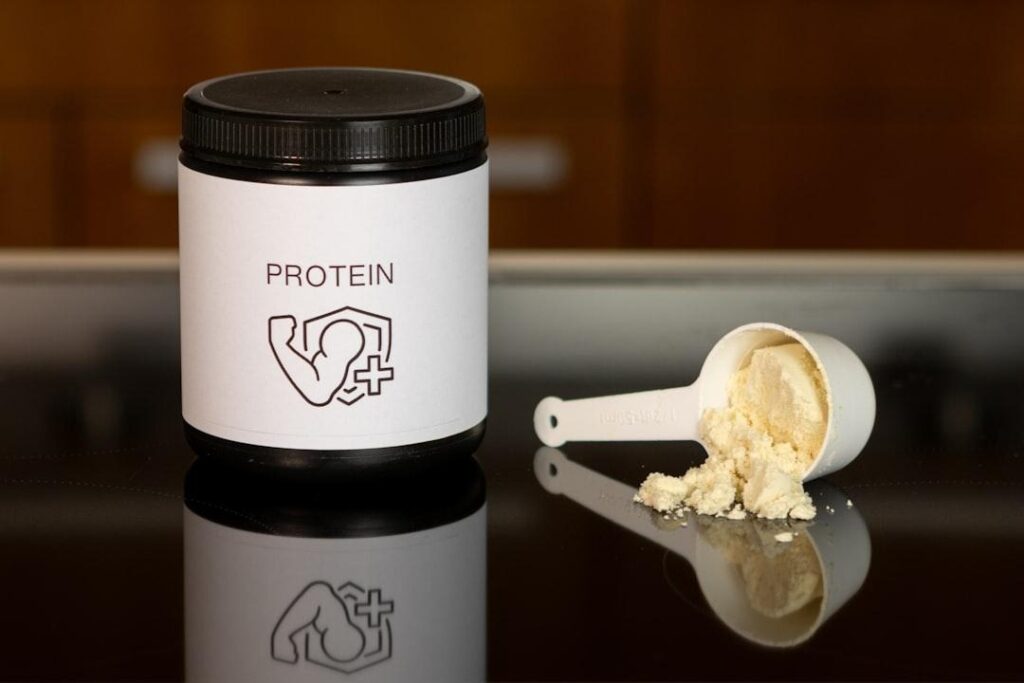
Photo by Alex Saks on Unsplash
Walk into any supplement shop and the promises are endless: more muscle, more energy, faster recovery. Yet most of what sits on the shelf is marketing, not science. Knowing which supplements genuinely earn their place saves both money and disappointment.
The answer depends on evidence and, just as importantly, on who made the product. Quality begins at the source with a manufacturer like Superior Supplement Manufacturing, long before a tub reaches the shelf. This guide separates the useful from the hyped.
Do Fitness Supplements Actually Work?
Some do, most are optional. A dietary supplement is a product that adds nutrients or compounds to the diet, such as protein, creatine, or vitamins. A handful have strong evidence behind them; many have almost none.
The foundations come first. No supplement compensates for poor sleep, weak training, or an inadequate diet. Learning to train smarter, not just harder, matters far more than any powder ever will.
Think of them as a top-up. Supplements fill specific gaps once the basics are handled, not before. Guidance from the NIH on exercise and athletic performance confirms that only a few live up to their claims, while many popular products show no measurable benefit at all. Spending on those is money that would do more good on better food or a coaching session.
Which Ones Have Real Evidence?
A short list has genuine support. These are the ones most experts back.
- Protein powder. A convenient way to hit daily protein targets.
- Creatine. Among the most researched aids for strength and power.
- Caffeine. A proven boost for focus and endurance before training.
- Vitamin D. Useful where diet or sunlight falls short.
- Omega-3s. Support recovery and general health.
Protein leads the pack. Needs rise with age and training, and spreading protein across 3 to 4 meals aids muscle repair, which matters most for anyone doing serious strength training. For many gym-goers, protein is the only supplement they truly need. Creatine is a close second, with decades of research behind roughly 3 to 5 grams a day for strength and power. Beyond those two, the case for most products weakens quickly.
What About the Trendy New Products?
The market loves a new hero ingredient. From functional mushrooms to GLP-1 supplement drinks, novel categories appear constantly. Some show early promise, but most lack the deep evidence of the staples.

Photo by Aly Ramirez on Unsplash
Alt text: A person reading the ingredient label on a supplement
Treat hype with caution. A new ingredient with bold claims and little research is a gamble, not a proven tool. Early buzz is not the same as reliable results.
Judge each on its merits. A few genuinely useful products emerge from the noise each year, but they are the exception rather than the rule. Ask what evidence exists, who funded it, and whether the effect is meaningful or just statistically detectable. Curiosity is fine; a healthy dose of skepticism is wiser, and it keeps your money where it counts.
Why Does the Manufacturer Matter So Much?
This is the part most buyers overlook. A contract manufacturer is a company that formulates and produces supplements for the brands that sell them. Its standards set the ceiling on quality and safety.
Consistency is everything. A quality maker ensures each batch matches its label for potency and purity, while cheaper operations cut corners to hit a price. Under-dosed or contaminated products are common where oversight is weak, and independent testing has repeatedly found products that contain far less, or far more, than the label claims. The name on the tub tells you little; the standards behind it tell you everything.
Testing proves it. Reputable manufacturers publish third-party lab results and follow documented quality systems. That oversight is exactly what the FDA’s consumer guidance on dietary supplements is designed to encourage. Safety starts with the maker.
How Do You Judge a Supplement Before Buying?
A few checks reveal a great deal. Run through this quick list before you pay.
- Third-party testing. Independent labs verify the contents.
- Clear dosing. Every active ingredient listed with its amount.
- No proprietary blends. Quantities shown, not hidden.
- Reputable maker. A manufacturer with documented standards.
Match it to your goal. A powerlifter and a casual runner need different things, so buy for your actual training, not the label’s promises. Focus beats a cabinet full of half-used tubs.
What to Keep In Mind
- Most supplements are optional; a few have strong evidence.
- Training, sleep, and diet always come before any supplement.
- Protein, creatine, caffeine, vitamin D, and omega-3s lead on evidence.
- Trendy new ingredients usually lack deep research, so stay cautious.
- The manufacturer decides purity, potency, and consistency.
- Check for third-party testing and clear, honest dosing before buying.
Spending Smart On Supplements
The smartest supplement strategy is a short one: nail the basics, then add a few evidence-backed products from a trustworthy maker. Ignore the hype, read the label, and favor quality manufacturing over flashy claims. Done that way, supplements become a genuine edge rather than an expensive habit.
FAQ
Do I Need Supplements to Build Muscle?
No. Training and adequate protein do the heavy lifting, and both can come from food. Supplements like protein powder and creatine simply make hitting your targets easier. They are a convenience and a small edge, not a requirement.
Are Expensive Supplements Better?
Not necessarily. Price often reflects branding as much as quality. What matters is third-party testing, honest dosing, and a reputable manufacturer. Judge the product on those, not the price tag.
Are New Supplement Trends Worth Trying?
Usually treat them with caution. Trendy ingredients often have bold claims but thin evidence. Stick mostly to well-researched staples, and try novelties only as informed experiments, never as the core of your routine.
How Do I Know a Supplement Is Safe?
Look for third-party lab testing and a manufacturer that follows documented quality systems. Clear labeling with no hidden blends is another strong sign. If you take medication or have a condition, check with a professional first.