
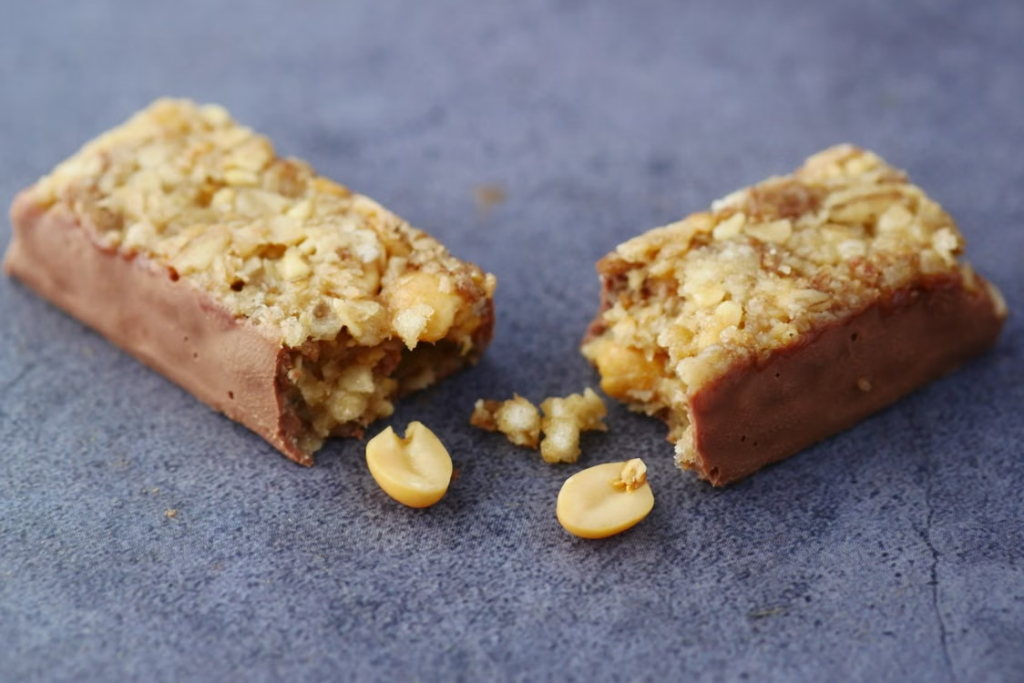
Hunger between meals isn’t always a cue to add food. Sometimes, it reflects an undersized meal rather than a genuine energy gap.
At other times, snacks support training, work, or travel and contribute meaningfully to daily calories. Protein bars sit between functional food and confectionery, so their role starts with defining smart snacking.
What Actually Makes a Snack Smart
Smart snacking gives that extra food a defined job. A practical between-meal target is 150 to 250 calories, with at least 8 to 10 grams of protein or 3 grams of fiber.
Added sugar should remain below 10 grams. Guidance from the American Institute for Cancer Research (AICR) and the Centers for Disease Control and Prevention (CDC) also favors nutrient-dense foods within an appropriate calorie intake.
A protein + produce combo usually supports satiety better than the same calories from refined carbohydrates alone. Examples include Greek yogurt with berries or an egg with an apple.
An unhealthy snack reverses that pattern. It packs substantial calories into a small portion, provides little protein or fiber, and makes it easy to eat beyond one serving.
For that reason, the serving size and nutrition facts label matter more than a front-of-pack claim. Those details reveal whether the snack fills a nutritional gap or simply sits on top of the day’s calorie intake.
Reading a Protein Bar Label Without the Marketing
A protein bar’s wrapper can emphasize energy, natural ingredients, or fitness without revealing whether the product meets the test above. Five label checks cut through that language.
Protein Per Calorie
A bar below roughly 250 calories with 10 to 20 grams of protein makes a meaningful contribution. The same calories with 4 grams of protein function more like a cookie.
That distinction matters because some products rely on a health halo. Harvard Health Publishing’s comparison of protein bar nutrition shows why calories, sugar, protein, and fiber deserve attention before marketing claims.
Serving Size
The nutrition facts label sometimes presents values for half a bar. Someone eating the full package could consume twice the listed calories, added sugar, fat, and carbohydrates.
The stated portion size also affects comparisons. Protein per serving means little when one serving weighs 35 grams and another weighs 70 grams.
Added Sugar
Keeping added sugar in the single digits provides a useful screening point. A bar with 15 or 20 grams needs a specific purpose, such as providing carbohydrates before prolonged training, rather than routine snacking.
Sugar Alcohols
Sugar alcohols can lower the listed sugar figure without guaranteeing digestive comfort. Larger amounts of erythritol, maltitol, or sorbitol can cause bloating or loose stools in sensitive people.
Chicory root fiber can create similar problems. A high fiber number isn’t automatically helpful if the ingredient causes discomfort during exercise.
Ingredient List
Ingredients appear by weight, so the first few reveal the bar’s foundation. Milk, soy, pea protein, nuts, or seeds indicate where its protein comes from.
Syrups, chocolate coatings, and concentrated sweeteners near the beginning signal a sweeter base. A short, recognizable list makes calorie sources easier to identify, although nuts and seeds can still produce a calorie-dense bar.
Macronutrient Balance
Protein, fat, and carbohydrates should fit the moment. Higher carbohydrate works before training, while higher protein is more useful when a meal will be delayed.
A Happy Way protein bar, for example, still needs a direct check of protein per calorie, added sugar, and fiber.
The category name, therefore, isn’t a nutritional standard. Each flavor and size needs its own label check, even when two bars carry the same brand or “protein” positioning.
When a Protein Bar Earns Its Place

Daily intake comes first. Many active people target roughly 1.2 to 2.0 grams of protein per kilogram of body weight, depending on training demands and overall goals.
If regular meals already provide enough protein-rich foods, another bar adds calories without filling a nutritional gap. Harvard Health Publishing’s label-first principle applies here: the bar’s numbers and purpose matter more than its category.
A bar earns its place when refrigeration, preparation time, or hygiene rules out ordinary food. Long commutes, airports, gym bags, travel days, and back-to-back shifts are clear examples.
Fueling Before and After Training
Before training, carbohydrates usually deserve priority. A higher-carbohydrate bar with less fat and fiber, eaten 60 to 90 minutes beforehand, is less likely to sit heavily because fat and fiber slow digestion.
The ideal macronutrient balance changes afterward. When the next meal is more than an hour away, a bar containing at least 20 grams of protein provides a practical bridge.
Pairing that bar with a banana, orange, or grapes adds carbohydrates after a demanding session. Fruit also contributes water and greater food volume without requiring another packaged sports product.
A full meal remains the better option when it’s available soon. The bar solves a timing problem rather than outperforming meals built around protein-rich foods, grains, and produce.
Between-Meal and Late-Night Hunger
Between meals, a bar should prevent disruptive hunger without becoming an unplanned extra meal. Bars near 200 calories, with meaningful protein and fiber, generally provide better satiety than low-protein snack foods.
Thoughtful snack planning also makes snacks for sustained energy easier to match with work, study, and training. Someone managing blood sugar should assess total carbohydrates and follow individualized clinical guidance.
Late-night timing isn’t automatically a problem. A protein-led snack can settle genuine hunger and support recovery when dinner was early or training finished late.
Habit is the more useful test. A bar eaten automatically after an adequate dinner quietly increases calorie intake, while one replacing a missed snack or delayed meal performs a clear function.
Whole-Food Snacks That Do the Same Job
Whole foods often provide more volume, chewing, and water for similar calories. The following options allow direct comparison with a typical protein bar:
- Greek yogurt and berries: A 170-gram pot with 100 grams of berries provides roughly 15 to 18 grams of protein and about 150 to 200 calories.
- Two hard-boiled eggs and fruit: Two eggs with a small orange provide about 12 grams of protein and roughly 200 calories.
- Cottage cheese and pineapple: A 150-gram serving with pineapple provides approximately 18 grams of protein, with calories varying by fat level and fruit portion.
- Roasted edamame: A 30-gram portion provides roughly 12 to 14 grams of protein. Its serving size matters because calories rise quickly across multiple handfuls.
- Tuna and whole-grain crackers: A 70-gram tuna pouch with four small crackers provides around 16 to 20 grams of protein.
- Nuts and seeds with an apple: A 30-gram portion provides only about 5 to 7 grams of protein, but the protein + produce combo offers fiber and substantial chewing.
These nutrient-dense snack choices also contribute varied vitamins, minerals, and plant compounds. That aligns with the AICR’s broader emphasis on varied plant foods and sensible portions.
However, whole foods aren’t automatically more practical. Yogurt, eggs, cottage cheese, and tuna need refrigeration, sealed containers, or same-day eating, while a bar can remain in a desk, suitcase, or gym bag.
Ten minutes of weekly snack planning closes much of that convenience gap. Portioned nuts and seeds, boiled eggs, washed fruit, and pre-cut produce prevent hunger from turning the nearest packaged option into the default.
Choosing the Snack That Fits the Moment
A protein bar is a tool for specific conditions, not a daily requirement. It earns its place when it fills a genuine protein or hunger gap and ordinary food isn’t practical.
Effective smart snacking starts with your daily protein total, calorie needs, and constraints of the moment. When whole foods fit, they usually offer more volume and variety. When they don’t, a carefully checked bar is a reasonable substitute.