Why Recovery Has Become the Next Frontier in Athletic Performance
In the past, the way athletic performance was gauged depended almost entirely on the quantity and intensity of training, as well as competitive outcomes. The more an athlete trained, the better he or she was expected to perform. However, in recent years, there has been a paradigm change – recovery from training is no longer perceived as a pause, but an integral component of performance.
Scientific advancements in sports have shown that how an athlete adapts to training is not just dependent on how good the stimuli are, but also on how efficient their recovery process is. Sleep cycles, timing of meals, hydration and stress management have become equally important to strength training in ensuring success for athletes and sports teams. This transition has prompted athletes to think about their performance not only as a function of training but also of recovery management.
From Training Load to Recovery Management: How Athletes Are Rethinking Performance.
Classical performance models emphasized the importance of the training stimulus. Recovery management is now considered an equally important process. Athletes not only measure sets and reps and miles run, but also the quality of their sleep, the freshness of muscles, the flexibility and ease of joint movements, and their overall readiness to perform more training sessions.
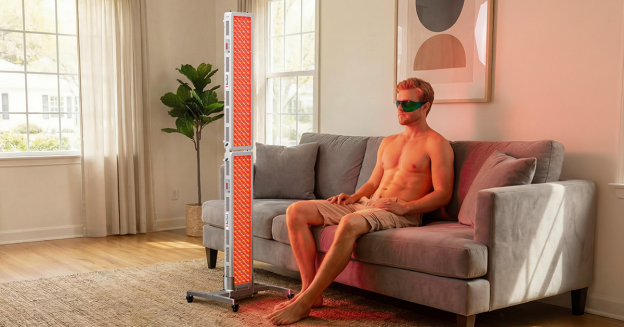
The new approach broadened the spectrum of available recovery tools. Foam rolling, mobility circuits, contrast showers, compression and soft tissue massage remain popular practices. In addition, red and near-infrared light treatments are incorporated into some routines as a supplementary procedure, usually performed after training or before going to bed. The main benefit of such treatments is that they are passive procedures allowing a user to sit or lie still and absorb light.
he development of home devices made such treatments much more accessible to users. Devices from brands like BestQool red light therapy exemplify this category of equipment intended for personal use. The value of such treatments, if any, seems more likely to be seen in long-term integration into the whole recovery process.
How Red and Near-Infrared Light Are Being Studied in Sports Recovery
The use of red light (commonly 600–700 nm) and near-infrared light (commonly 800–900+ nm) has been looked into regarding its interactions within biological systems, especially when it comes to the effects on mitochondrial functioning and responses to stress. There have been studies done in relation to sports and exercise to determine possible uses of these lights in helping recovery indicators, recovery after exertion and resilience.
The results found so far are variable and dependent on context. There have been some positive results obtained in certain conditions; however, there have been some studies that have yielded no clear benefit. Factors such as wavelength, intensity of radiation, time duration, distance between the source and the device, and exercise status of the subject all affect results obtained.
For athletes, the message is clear: be cautious and realistic about the use of light therapy as a means of recovery. It does not replace the need for a gradual training process, proper sleep, and balanced nutrition. If applied, light therapy is considered just another element among others in the overall system of recovery. These results influence the way in which athletes use light therapy.
Muscle, Joint, and Mobility Support: Where Light Therapy Fits Into Athletic Routines
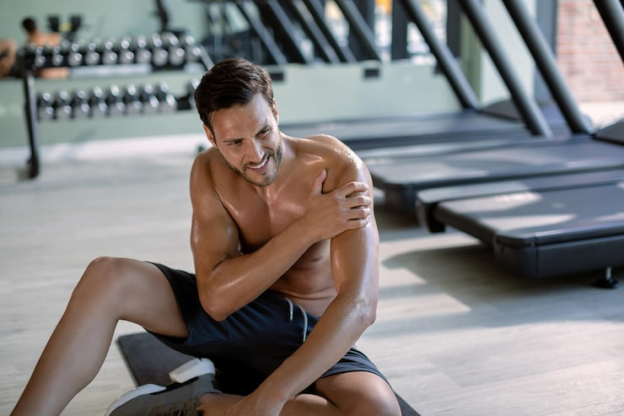
Applied usage tends to revolve around post-training muscle soreness relief, joint health, and mobility. Some athletes will expose light to large muscle groups following a hard session of lower body or upper body training. Others will utilize light on areas where there is consistent repetitive strain on the joints, such as the knees, shoulder joints, or lower back joints.
Overall, the experience of using light therapy is relatively passive. It requires little effort from the user, involves minimal time, and does not require movement on their part. It can easily be performed alongside other activities like training or during evening hours. It will take multiple consistent exposures to determine whether it works for an individual.
Realistic expectations are required here. Light therapy will not replace the lack of proper recovery practices and rest and will not override poor training choices. It may serve well as an added practice that can potentially help some athletes to be more ready to train.
Further practical factors to consider include:
● Focusing on the quadriceps, hamstrings, or calves following strength training to relieve any tension and facilitate a quicker return to training load.
● Using near-infrared panels on hips and lower back to help with flexibility, particularly after squatting with heavy weights and sitting for long periods.
● Utilizing handheld panels on shoulders and elbows to counteract any repetitive stress from overhead lifts, swimming, or racket sports.
● Planning 10-20 minute sessions within the evening recovery period to coincide with winding-down activities.
● Combining light therapy with stretching and mobility work to reinforce joint movement.
● Including light therapy sessions following endurance running or HIIT workouts, which complement tracking of hydration and sleeping patterns.
Beyond Individual Tools: The Rise of Integrated Recovery Protocols
It has been observed that the best systems of recovery do not include just one modality. Rather, it includes the combination of basic habits and the chosen tool in a well-structured manner either for a day or a week. Basic activities like sleep improvement, protein timing, hydration, and training stress management act as the foundation. In addition to these, mobility, soft tissue work, temperature contrast, and sometimes red light exposure are also included on top of the foundation.
The importance of integration has been considered rather than isolation. Short sessions of light after training may be paired with light movements or stretches. While in the evening, the same can be paired with the routine, which helps in relaxation and sleeping. It is not necessary to have all the recovery tools in the hope of accumulating maximum numbers. It is important that the practice is done on a regular basis.
Accessibility of the devices at home has made this practice possible not only for professional athletes but also for recreational athletes.
Integration can be practical in many ways such as:
● Concurrent red light therapy sessions and foam rolling to reduce muscle tightness.
● Integration of evening light therapy with either breathing or meditation for enhancing sleep.
● Contrast therapy such as cold and hot baths integrated with light therapy.
● Mobility exercises scheduled right after light therapy sessions.
● Synchronization of nutrition timing (protein consumption) with the blocks where light therapy is included in the routine.
● Shorter sessions scheduled during the reload week to improve recovery.
Integration becomes more effective when the methods are part of daily activities rather than isolated means for achieving goals. The athletes that have integrated layers of activities such as sleep, nutrition, and management of training will be able to judge the importance of methods such as red light therapy in their overall performance.
What the Future of Athlete Recovery Technology May Look Like in 2026?
Moving forward, the future of recovery technology looks like a move towards personalization and data-driven approaches. Wearable devices can already track sleep patterns, heart rate variability, and training load. In the future, recommendations on when and how to implement recovery technology, such as exposure to light, may depend on individual readiness indicators.
The red light therapy itself will be investigated further, with more focus on dosing guidelines, timing relative to training sessions, and interaction with other forms of recovery. Devices used at home will become more convenient in terms of user-friendliness, available coverage choices, and compatibility with existing recovery strategies. The point here is the practical value of the device, not the possibility of receiving maximum theoretical benefits from an impractical tool.
In the end, athletes who develop reliably will be the ones who learn to manage the recovery process as a separate skill. Red light therapy may play an important role in the development of this skill for certain people, but only if used responsibly, consistently, and with understanding of what its purpose is. In 2026 and beyond, the best recovery programs will be based on fundamentals with selective inclusion of tools.