
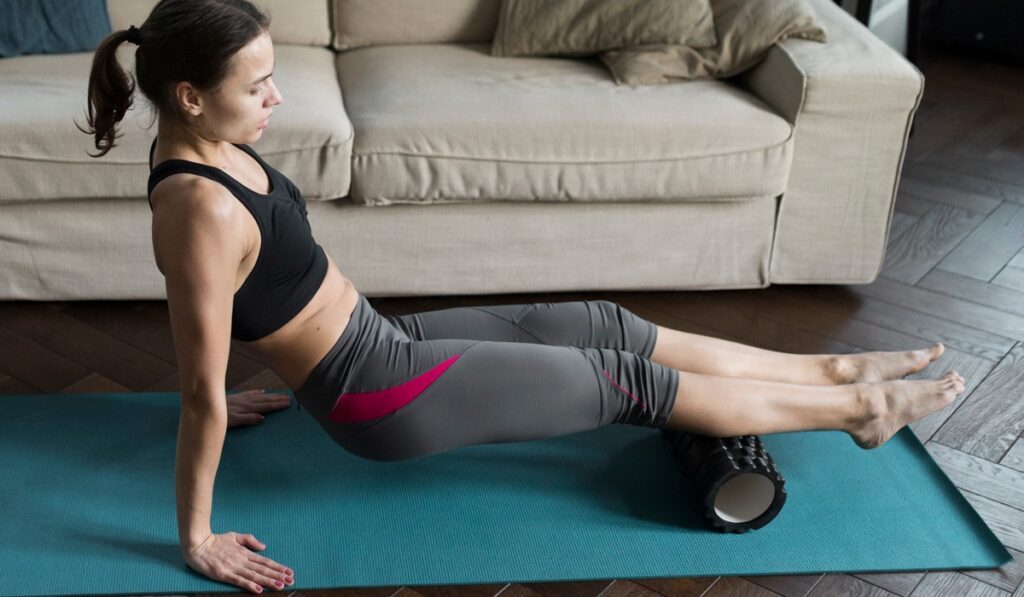
Photo from Freepik
Cold-weather runs ending in an emergency bathroom break or that lingering pressure after a long bike ride might sound familiar. Many don’t realize these are signs of pelvic floor stress, a condition affecting nearly 24 percent of U.S. women. If you love lifting, running, or HIIT, your pelvic floor is working just as hard as your quads and glutes, but it often goes overlooked.
Today, we’ll unpack three science-backed strategies you can start using in your next workout. These tips will help you build a stronger, more resilient pelvic floor for the long haul.
1. Hydration Habits That Protect Your Pelvic Floor
Staying well-hydrated seems basic, but fluid balance is one of the biggest levers for bladder and pelvic comfort. This is especially true during exercise when both too little and too much fluid can spell trouble for active women.
Why It Matters
Concentrated urine, which is often dark yellow, is more acidic and can irritate the bladder lining, increasing urgency mid-workout. For those especially prone to this kind of irritation, products like NeuEve’s bladder health supplement are designed to support a healthy urinary environment.
Conversely, over-hydrating leads to frequent bathroom trips and extra intra-abdominal pressure that stresses pelvic tissues.
How Much Is “Just Right”?
Different organizations offer similar guidance for optimal hydration. The American Council on Exercise suggests 17 to 20 ounces of water a few hours prior to exercise, with another 8 ounces 20 to 30 minutes before starting. Similarly, the National Athletic Trainers Association recommends 16-20 ounces 2-3 hours before and 6-10 ounces 10-20 minutes before exercise.
Timing & Electrolytes
Sip consistently throughout the day rather than chugging a liter right before a workout, which can overwhelm the bladder. For workouts lasting longer than 60 minutes, it’s crucial to replace sodium lost in sweat with a low-sugar electrolyte mix. Balanced sodium helps keep extracellular fluid stable, protecting pelvic tissues from excess swelling or cramping.
Hydration Checklist
Here is a simple checklist to follow for better hydration:
- Drink 0.5 L upon waking
- Pack a 1 L bottle and finish it by lunchtime
- Add electrolytes for sessions >60 min or in high heat
- Cap evening fluid intake 60 minutes before bedtime
- Check urine color: pale yellow is the goal
| Key Insight: The goal isn’t just drinking more, but drinking smarter. Both concentrated urine and over-hydration stress the bladder. Aim for balance by sipping consistently for optimal pelvic comfort during exercise. |
2. Pre-Workout Pelvic-Floor Awareness & Activation
If you’ve been told to “just do Kegels,” you’re only getting half the story. The pelvic floor is part of a complex pressure-management system that includes the diaphragm and deep core muscles, meaning proper activation is about coordination, not maximum contraction.
Mini Anatomy Primer
The pelvic floor muscles, often called the pelvic diaphragm, form a supportive hammock at the base of your pelvis. These muscles stretch and lengthen slightly as you inhale, descending gently, and contract or lift during exhalation.
Coordinating this natural rise and fall of the pelvic floor with your breathing helps stabilize your core, supports your spine, and reduces excessive downward pressure on pelvic structures, especially during activities like running, jumping, or lifting.
Understanding and engaging these muscles properly can prevent issues like pelvic organ prolapse, urinary incontinence and improve overall functional movement in active women.
The “Pre-Engage & Breathe” Drill
- Stand tall with your feet hip-width apart.
- Inhale through the nose, allowing your ribs to expand 360 degrees. Feel the pelvic floor soften and descend.
- Exhale through pursed lips. Imagine gently picking up a blueberry with your pelvic muscles, using only 20 to 30 percent of your maximum effort.
- Maintain that gentle lift while bracing your lower abdominals, as if zipping up a pair of high-waisted jeans.
- Repeat for five cycles, then transition into body-weight squats or dead bugs, maintaining the rhythm of breath and engagement.
Beware Over-Tightening
A pelvic floor that is overly tight or hypertonic can cause symptoms similar to weakness, such as urinary leakage, urgency, or pelvic pain. When these muscles remain constantly tense, and you find it difficult to fully relax them between contractions, it can disrupt normal pelvic function and increase discomfort during physical activity.
Over-tightening can also interfere with proper breathing and movement patterns. If you notice persistent tension, pain, or difficulty relaxing your pelvic floor muscles, consulting a pelvic floor physical therapist is important.
They can provide a personalized assessment and guide you with techniques to balance muscle strength and relaxation for optimal pelvic health.
| Warning/Important: A constantly tight or ‘hypertonic’ pelvic floor is not a strong one. It can cause leaking and pain, mimicking weakness. Focus on coordinated engagement and complete relaxation between contractions. |
3. Gentle Recovery Routines for Ongoing Comfort
High-intensity training days challenge not only your muscles but also the fascia, ligaments, and hormonal systems that influence pelvic resilience. Prioritizing recovery is non-negotiable for long-term athletic performance and comfort.
Post-Workout Stretch Sequence (5–8 minutes)
- Child’s Pose: Hold for 60 seconds with deep belly breathing.
- Happy Baby: Gently rock side-to-side for 60 seconds.
- Deep Squat Hold: Use your elbows to press your knees outward for 60 seconds.
- Supine Figure-4 Glute Stretch: Hold for 30 seconds per side.
- Diaphragmatic Breathing: Lie on your back with knees bent (hook-lying position) and practice deep breathing for 2 minutes.
Active Recovery Ideas
Aim for two active-recovery days per week and a 5 to 10-minute cool-down after every intense session. Great options include Pilates, swimming for low-impact cardiovascular work, or mindful walking to promote circulation and reduce stress.
- Pilates or yoga flows to reinforce breath-core coordination.
- Swimming for low-impact cardiovascular work.
- Mindful walking to promote circulation and reduce stress.
The Bottom Line
Hydration, mindful muscle activation, and intentional recovery form a three-pronged strategy to keep your pelvic floor happy. This week, pick one habit to audit, maybe it’s tracking your fluid intake or adding post-workout diaphragmatic breathing. Notice how your body responds by pairing these practices for lifelong athletic comfort.
By implementing these foundational practices, you empower yourself to train harder and feel better. Taking small, consistent steps is the key to supporting your body through every mile, squat, and burpee.