
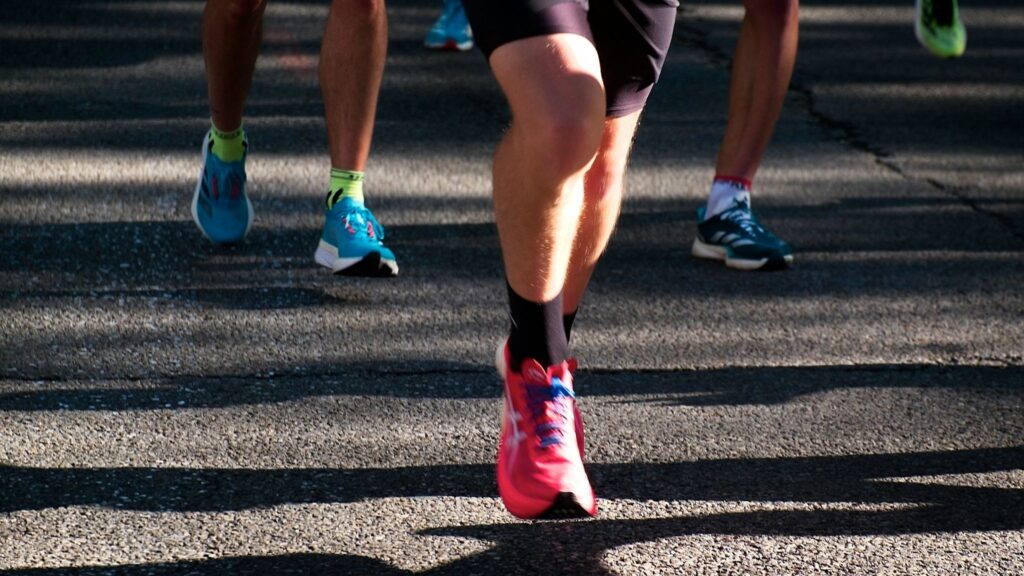
Chronic pain can have even the most seasoned athletes feeling off their game. When athletes hear the word “surgery,” it’s hard to avoid the fear of a long recovery. For some injuries, surgery is not the only solution that can provide relief. When it comes to foot pain, surgery is rarely a first recommendation and is typically only considered after conservative treatment hasn’t worked.
Foot pain in particular has a wide range of conservative approaches to consider before surgery. No matter what solution you try first, it’s important not to ignore foot pain. Foot pain caused by lack of arch support can eventually lead to pain and injuries in other parts of the body.
Why Arch Pain in Athletes Rarely Requires Surgery
Athletes are hard on their bodies so it’s not a surprise that most athletic arch pain traces back to overuse or mechanical issues. Plantar fasciitis, ankle pain, and general foot pain can all be traced back to overuse without proper support.
The standard clinical approach is a conservative one, especially when pain is chronic. Arch supports, training modification and physical therapy all typically come before surgery is considered.
- Off-the-shelf insoles and structured arch supports are both common first-line options. Generic insoles may help if they happen to match your foot structure, but they’re not built around it the way a personalized fitting is. Personalized arch supports like those offered by The Good Feet Store are a good option for athletes as they address the specific structure of the foot and take into consideration the athlete’s specific activities.
- Revised training routines that include targeted stretching and working with a physical therapist are additional non-surgical solutions to try. These can help relieve tension and strengthen the foot. Physical therapy combined with ongoing support solutions can be effective.
- If pain persists for athletes after months of non-surgical options, surgical solutions may be considered.
Sudden injuries should always be assessed by a physician. An untreated stress fracture or tear could need surgery to avoid further injury.
Load Management and Activity Modification
Most athletes have a high threshold for pain and their determination often leads to “pushing through” the pain. Understandably, an athlete isn’t likely to just quit when they notice foot pain. But it’s also not a good idea to ignore it completely. In addition to conservative treatments, modifying training routines can help ease pain.
Switching to low-impact cardio like swimming or cycling can help athletes with arch pain stay in shape while giving their feet some time to recover. Reducing weight and impact in strength training can also help to manage the inflammation that comes along with foot conditions.
As foot pain eases from the use of arch supports and modified activities, it’s important to ramp back up slowly. Returning to high intensity training too quickly can trigger a relapse of symptoms.
Physical Therapy and Targeted Strengthening
When arch support and revised training don’t do the trick, a physical therapist can be a game-changer. Their role is to help identify muscle imbalances and work with athletes to strengthen supporting muscles.
Physical therapists can also identify underlying muscle tightness and recommend stretching routines to help relieve pain. Typical stretches for foot pain include calf stretches, towel scrunches and other movements targeted at the muscles in the foot.
Everyday Recovery Tools for Athletes with Arch Pain
Most athletes are familiar with common tools to assist in recovery. Icing is known to provide short-term anti-inflammatory use and can help manage mild inflammation after a tough workout. Foam rolling and massage can also accelerate the body’s ability to recover.
While a simple frozen water bottle or an easy-to-use massage gun may be helpful tools, it’s important not to ignore ongoing pain as it could be indicative of an underlying issue that warrants professional advice.
Footwear and Structural Support: Where Arch Supports Fit In
Symptom management like rest, icing and PT can be helpful in recovering from pain in the foot, but when it comes to performing without foot pain long-term, structure support and footwear can’t be ignored. Understanding the specific mechanics of the foot and wearing supportive footwear that matches the foot’s shape can not only help relieve pain but can help avoid it before it starts.
Arch supports aren’t just for athletes already dealing with pain. They’re also a preventative option worth considering before pain starts. In fact, the 3-step system from The Good Feet Store provides different levels of support for the different activities athletes engage in throughout the day.
How The Good Feet Store Fits Into a Non-Surgical Plan
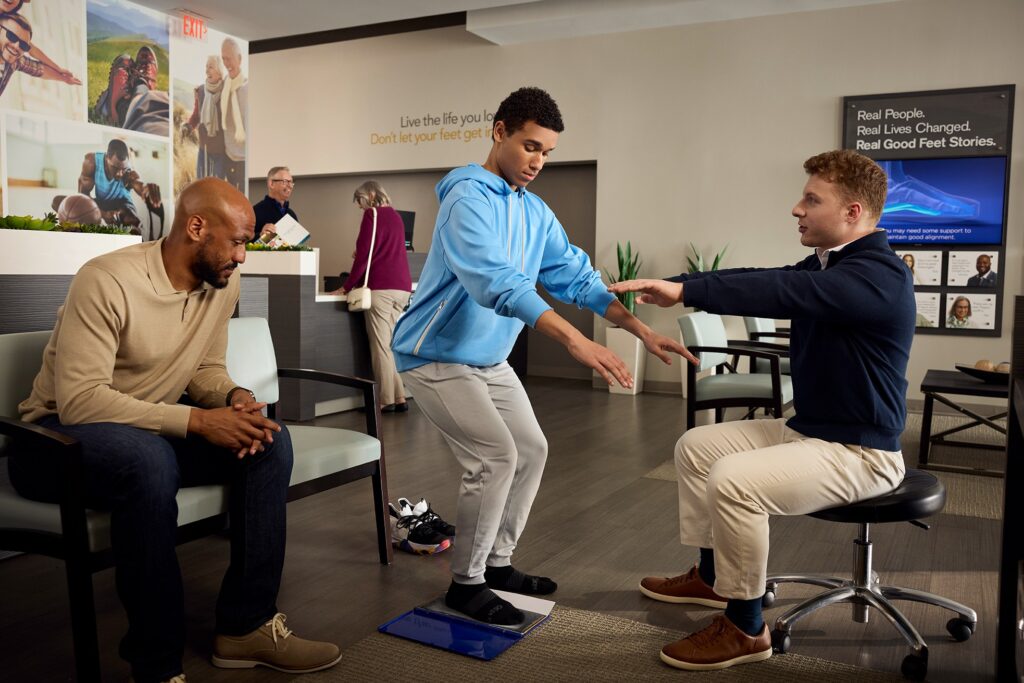
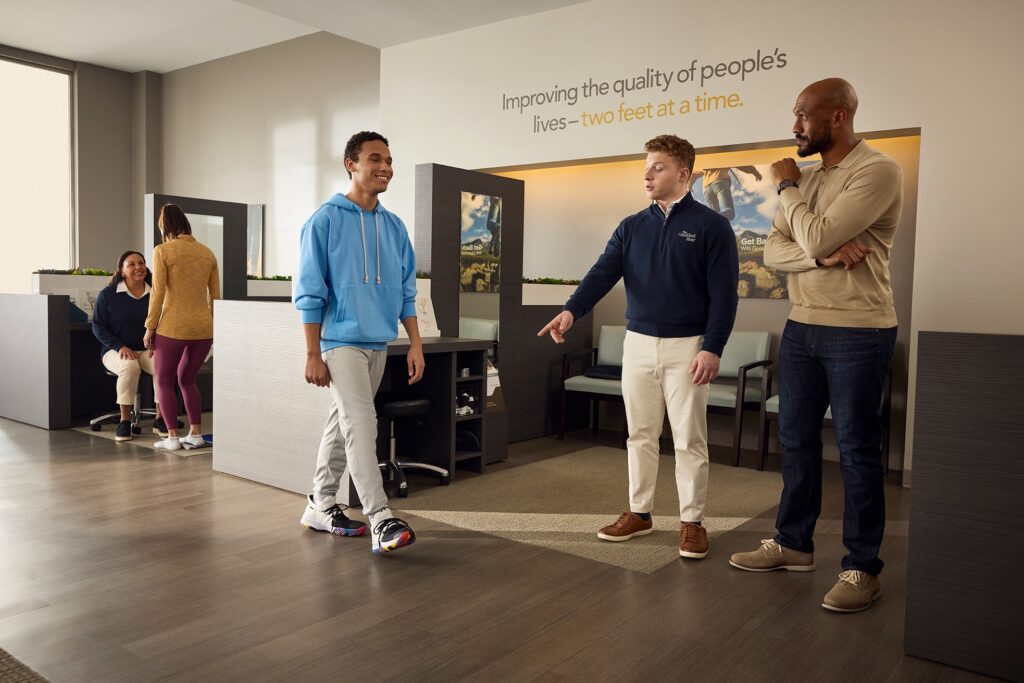
Many athletes of all ages have turned to The Good Feet Store to help with foot pain and provide ongoing support for all their activities. The personalized fitting process from an arch support specialist starts with a digital foot scan. This scan measures arch height, heel width, and weight distribution. But the scan is just one tool the arch support specialist will use. They also talk to athletes about their activities and training schedule and observe their stance and gait before recommending arch supports.
Unlike custom orthotics, Good Feet Arch Supports can be tried on in-store the same day. After working with an arch support specialist to find the right supports, customers can take their new supports along with a personalized plan the same day.
The Good Feet Store stands by its solutions with a 90-Day Customer Satisfaction Guarantee. Arch support specialists are also available for fitting adjustments and support along the way.
When to Stop Managing it Yourself and Loop in a Specialist
While conservative measures are often all that’s needed to manage foot pain, that is not always the case. It’s essential to keep an eye out for red flags that mean it’s time to consult a physician. These include:
- Pain that doesn’t improve with weeks or months of conservative management
- Numbness
- Swelling
- Pain at night
- Inability to bear weight
When these signs show up, none of the non-surgical conservative approaches, including arch supports, are a replacement for a medical evaluation.
Building a Realistic Non-Surgical Plan for Foot Pain
When athletes experience arch pain, it can impact training and performance. The good news is that many causes of foot pain respond to conservative, non-surgical treatments and pain management techniques. Most often, the best solution is a combination of training modification, proper arch support, quality footwear, and PT-informed strengthening.
For athletes, staying off your feet just isn’t a realistic option. But living with pain shouldn’t be either. Taking advantage of the tools available provides effective relief without time on the bench.