
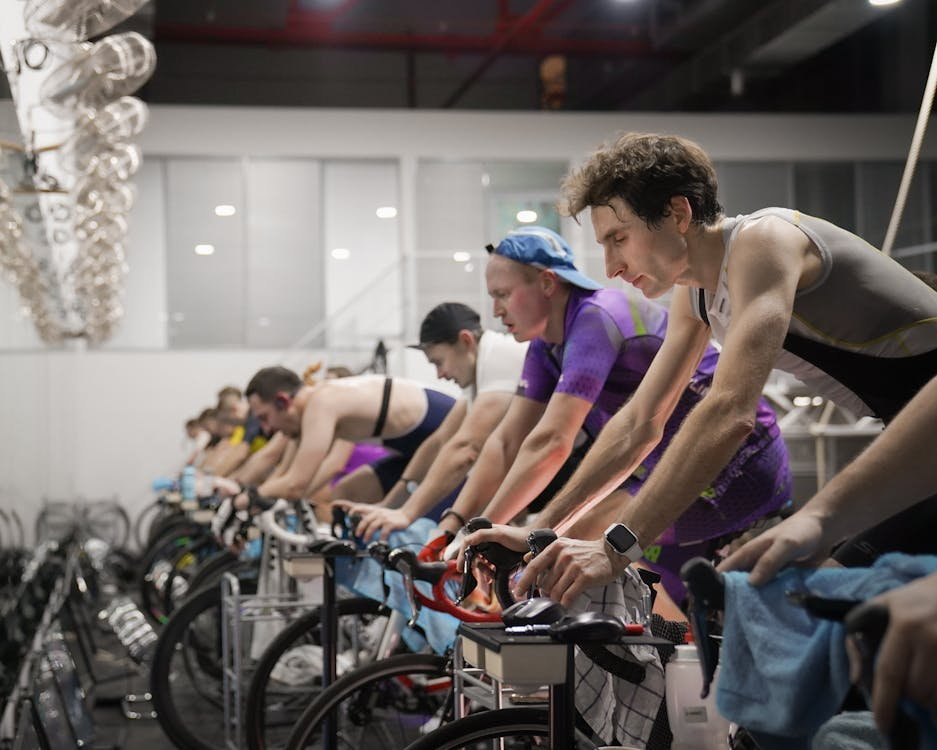
Your watch says one thing, your legs say another, and your training log starts to look inconsistent. Many triathletes fall into the “medium hard” trap, where most sessions sit in the same gray zone. It feels productive in the moment, but it stacks fatigue and makes progress harder to spot.
One way to clean that up is to use a pace calculator as a reference point you return to each week. When you plug in recent, realistic training numbers, the triathlon pace calculator on SwimBikeRun.rocks can translate your current fitness into pace and split estimates for swim, bike, and run.
That gives you something concrete to plan around, which is why the first step is understanding what the calculator is actually measuring, and what it is not.
Featured Image Photo by Dmitry Limonov
What A Triathlon Pace Calculator Measures
A triathlon pace calculator does not predict race day with perfect accuracy for every athlete. It gives a structured estimate based on current pace, distance, and realistic pacing ratios. The value comes from having consistent reference points you can revisit each month.
Most calculators work best when you treat the output as training targets, not promises. If it says you can hold a certain run pace off the bike, treat that as a hypothesis. You will confirm it through short bricks, steady tempo work, and controlled long sessions.
The calculator also helps you separate three jobs that often get mixed together. You need easy volume, steady aerobic work, and short high effort sessions in each discipline. When those blend into one pace, training feels busy but results stall.
Set A Baseline From Recent Training
Start with recent efforts you can trust, not your best day from last year. A steady twenty minute run, a hard bike interval session, or a pool time trial gives usable inputs. Pick tests you can repeat on similar terrain, with similar gear, and similar conditions.
For the swim, use a set like ten by one hundred meters with short rest. Record the average pace, plus how the last three repeats felt. If open water is your focus, note conditions, because chop and current change pace fast.
For the bike, your best baseline comes from a controlled effort on a steady route or trainer. If you track power, include it, but pace and heart rate still matter. Wind, road surface, and traffic affect speed, so write down what the ride looked like.
Turn Numbers Into Weekly Sessions
Once you have calculator outputs, match them to session types with clear intent. Most age group plans work better when easy days stay easy and hard days stay contained. You want targets that keep you honest, without turning every session into a test.
Use the calculator to set three practical pace bands for each sport. Keep them simple, so you can remember them during busy weeks. A basic setup looks like this:
- Easy pace for long sessions and recovery days, where breathing stays calm and steady.
- Steady pace for aerobic development, where you can speak short sentences with focus.
- Hard pace for short repeats, where form stays sharp but talking becomes difficult.
Then place those bands into a week that fits your life. Two quality sessions per discipline is plenty for most athletes with jobs and families. The rest should support consistency, not compete with it.
If swim technique is a limiter, your weekly plan should reflect that early. A pace target does not fix a stroke that wastes energy on every length.
Check The Data Against Effort And Recovery
Pace numbers only matter if they match how your body is responding that day. Heat, poor sleep, travel, and stress can shift heart rate and perceived effort quickly. A smart week keeps the plan flexible without turning it into a guessing game.
One simple cross check is the talk test during easy and steady sessions. The CDC’s talk test is a reliable cross-check: moderate intensity lets you talk but not sing,vigorous intensity limits you to a few words. That guidance helps you keep easy sessions honest when your watch pushes you faster than planned. Use it during long rides and easy runs, especially when you are tempted to “just pick it up.”
Recovery is the other half of the equation, and it is easy to ignore when training feels exciting. If your breathing feels restricted, your pace will fall even when effort rises. Equipment choices matter here more than people realize. This breakdown on how the wrong mouthguard can ruin your endurance explains why airflow restrictions, even small ones, compound over long efforts.
When your pace drops for several sessions in a row, do not chase it immediately. Look for clues in resting heart rate, soreness, sleep quality, and mood. Often the better move is a lighter day, then a return to planned targets.
Adjust Targets For Swim, Bike, And Run Differences
Triathlon pacing is not one number, because each sport carries a different cost. Swimming is technique heavy, biking is load management, and running is impact and heat stress. Your calculator outputs should guide targets, but your training history sets the guardrails.
For swim pacing, small changes matter, but they should not wreck form. If a harder pace causes your stroke to fall apart, keep the speed work short. Some athletes also benefit from understanding when swimming breaststroke during a triathlon is a practical choice since managing fatigue matters more than maintaining a single stroke at all costs.
For bike pacing, treat steady work as your main fitness builder. Many athletes gain more from controlled aerobic rides than from frequent all out efforts. USA Triathlon highlights why so many programs lean on Zone 2 work, since it supports endurance while keeping recovery manageable across a long season. Use that idea to protect your run sessions, which often suffer after overly hard rides.
For running, be cautious when the calculator suggests aggressive targets early in a build. Run pace changes with temperature, hills, and fatigue from biking. Confirm new run targets through short bricks and controlled tempo segments, then adjust the calculator inputs when your data supports it.
A Simple Weekly Loop That Stays Honest
Pick one baseline per sport, run it through the calculator, then plan a week with clear easy, steady, and hard targets. Check those targets against talk test effort and recovery signals, then adjust only when patterns repeat. Do that loop for four weeks, and you get training that feels calmer, tracks progress cleanly, and still fits real life.