
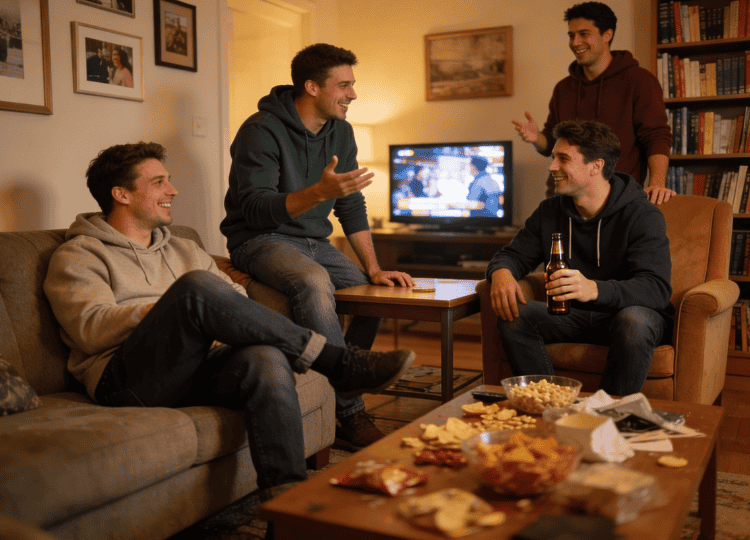
Game nights are supposed to be fun, but let’s be honest. They usually involve hours of sitting around a table, snacking, and barely moving except to reach for more chips. By the end of the night, you feel sluggish and stiff and wonder why your back hurts. The good news? You don’t have to give up the fun. With a little intentional movement, you can actually feel better as the night goes on.
Why All That Sitting Adds Up
Here’s the thing most people don’t realize: the average American adult already sits six to eight hours a day. Add a 3-4 hour game night on top of that, and you’re in for some serious couch time.
How much we sit matters for everyone. Research shows that prolonged sitting, even for people who exercise regularly, is linked to increased risks of heart disease, weight gain, and even poor mood. The Physical Activity Guidelines for Americans emphasize that moving more and sitting less benefits nearly everyone, regardless of fitness level.
You don’t need to turn your game night into a workout class. But adding some movement throughout the evening can help you feel more energized, sleep better afterward, and honestly have more fun.
Pick Games That Actually Get People Moving
The easiest way to stay active during game night is to choose games that require movement in the first place.
| Game Type | Examples | Activity Level |
| Acting games | Charades, Heads Up | Moderate |
| Giant versions | Oversized Jenga, floor Twister | Moderate to High |
| Dance/rhythm | Just Dance, dance-offs | High |
| Hunt-based | Scavenger hunts, hide and seek | High |
| Sports simulations | Nintendo Switch Sports, Wii Sports | Moderate to High |
These options keep energy high while feeling like actual games rather than exercise in disguise.
Try Active Video Games
Video games have come a long way from sitting with a controller. If your group enjoys gaming, there are tons of options that get everyone on their feet.
Nintendo Switch Sports brings back that Wii Sports energy with tennis, bowling, volleyball, and more. It’s competitive, hilarious, and genuinely gets your heart rate up. Just Dance is a crowd favorite for a reason. Even people who claim they “don’t dance” end up jumping in after watching a round or two.
Sometimes you just want to sit back and enjoy something more relaxed. If your crew is into online multiplayer, you might even find yourself looking into V Rising server hosting or setting up dedicated servers for longer campaigns. The key is balance. Mix in active gaming nights with your regular sessions, and you’ll notice a difference in how you feel.
Make Movement Breaks Part of the Game
If you are playing longer strategy games where rounds stretch past an hour, build movement into the structure.
Set a timer for every 30 to 45 minutes. When it goes off, everyone stands up for a quick body stretch or a lap around the room. It sounds simple, but this small habit prevents that stiff, sluggish feeling that hits after sitting too long.
You can gamify these breaks, too. Whoever’s losing the current game picks the movement. That might mean 10 jumping jacks, a silly dance move, or a quick balance challenge. It adds another layer of competition and keeps things light.
For serious board gamers who don’t want interruptions, try standing during your turn instead of sitting. It’s a small shift that keeps blood flowing without disrupting gameplay.
Set Up Your Space to Encourage Movement
How you arrange your game area matters more than you’d think. A few simple changes make a big difference:
- Keep snacks and drinks away from the main table. Put them across the room so people have to get up to grab something.
- Create different zones. Set up one area for the main game and another for side activities so people move between them naturally.
- Ditch some chairs. Fewer seats means guests will stand or perch on stools, encouraging more position changes, the same principle behind sneaking movement into sedentary days at work. Small changes like this add up over time.
- Use standing-height surfaces. A kitchen island or bar table works great for card games and keeps everyone on their feet.
Turn Snack Breaks Into Mini Challenges
Instead of just announcing “snack break,” make it interesting. Challenge someone to a quick rock-paper-scissors tournament for the last slice of pizza. Do a 60-second plank challenge while the next round gets set up.
Race to see who can do the most squats while waiting for someone in the bathroom. If your group enjoys a little competition, mini functional fitness challenges like plank holds or wall sits work great too. They fit naturally into the flow of the night.
These don’t need to be intense. Even small bursts of activity count toward recommended daily movement. The point is creating moments where movement happens naturally, and everyone’s having fun with it.
Keep the Vibe Fun, Not Forced
The biggest mistake people make when trying to add activity to game nights is going overboard. Nobody came over to do burpees. Here’s how to strike the right balance:
- Keep movement optional when possible
- Invite people to join stretch breaks rather than demanding participation
- Choose active games that feel like games, not exercises
- Read the room and adjust based on your group’s energy
- Lead by example instead of pushing others
The goal is feeling good – not turning your living room into a boot camp.
FAQs
How often should we take movement breaks during game night?
Every 30 to 45 minutes works well for most groups. Set a gentle timer and keep breaks short – just two to three minutes is enough to stretch, walk around, and reset before the next round.
What are the best active party games for adults?
Charades, Twister, giant Jenga, and dance games like Just Dance are popular choices. Anything that gets people standing, moving, or acting things out keeps energy high without feeling like exercise.
Can video games count as physical activity?
Motion-controlled games like Nintendo Switch Sports, Just Dance, and Fitness Boxing definitely count. They raise your heart rate and get you moving, which is the whole point.
How do I encourage movement without making guests uncomfortable?
Keep it optional and fun. Frame movement breaks as part of the game rather than exercise. Leading by example works better than pushing people to participate.
What snacks support an active game night?
Go for lighter options like veggie trays, popcorn, fruit, and nuts. Heavy, greasy foods make people feel sluggish. Keep water easily accessible so guests stay hydrated.
Key Takeaways
- Prolonged sitting during game nights adds to daily sedentary time, which impacts energy and health
- Choose games that naturally involve movement, like charades, giant Jenga, or dance games.
- Schedule short movement breaks every 30-45 minutes during longer games
- Set up your space strategically by placing snacks across the room and reducing available seating
- Active video games like Nintendo Switch Sports offer fun alternatives that get everyone moving
- Keep movement optional and fun – the goal is feeling good, not turning game night into a workout