
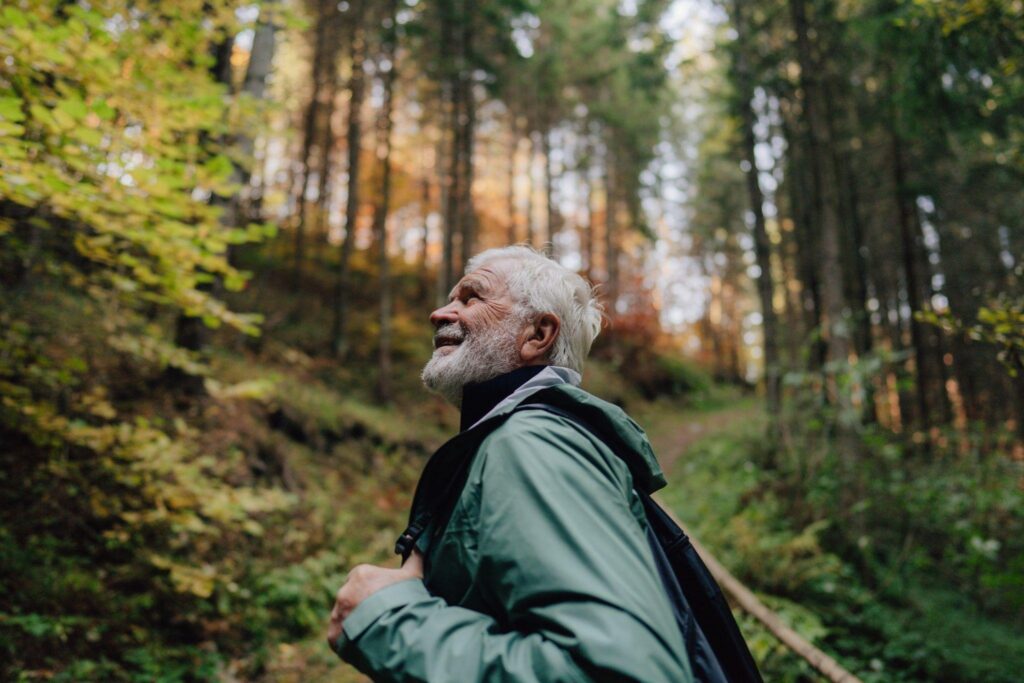
In a world full of screens, deadlines, and constant notifications, many people spend most of their days indoors. It is easy to go from home to car to office and back again without spending more than a few minutes outside. Yet more and more people are rediscovering something that humans have known for a long time: time in nature can help us feel calmer, clearer, and more connected.
While the outdoors is not a cure for mental health conditions, it can be a meaningful part of taking care of emotional well-being. Understanding why nature helps, and how to make room for it in everyday life, can make it easier to build healthier habits.
Nature as One Part of a Bigger Picture
Spending time outside can ease everyday stress, but it works best as one piece of a broader approach to mental health. For someone whose anxiety, low mood, or exhaustion has lasted for weeks, connecting with a professional is an important step. In East Tennessee, for example, reaching out to a mental health facility in Knoxville or a local provider can offer structured support, and many people find that outdoor time becomes a helpful addition to that care rather than a substitute for it.
Thinking of nature as a support, not a solution on its own, helps people use it in a way that is realistic and sustainable.
Why Stress Relief Matters
Stress is one of the most common challenges people face, and it affects more than just mood. According to the American Psychological Association (APA), ongoing stress can take a toll on both physical and mental health, affecting sleep, energy, and overall well-being. Finding healthy ways to manage stress is an important part of staying well.
Time outdoors is one of the simplest, most accessible ways to give the mind and body a break. It does not require special equipment, a large budget, or a lot of time.
How Nature Can Help the Mind
Researchers have studied the connection between nature and well-being for years. Many studies have linked time in green spaces with lower stress, better mood, and a greater sense of calm. While scientists are still learning exactly why, several explanations stand out.
A Break From Constant Stimulation
Everyday life is full of noise, screens, and demands on our attention. Natural settings offer a different kind of experience. The sound of wind or water and the sight of trees or open sky can give the mind a chance to rest.
More Movement
Being outdoors often means walking, hiking, gardening, or simply moving more than we would inside. Physical activity is widely known to support mood and reduce stress.
Sunlight and Daily Rhythms
Natural daylight helps regulate the body’s internal clock, which affects sleep and energy. Getting outside earlier in the day can support a healthier sleep schedule.
A Sense of Perspective
Standing near a mountain, a lake, or a wide open field can make everyday worries feel a little smaller. Many people describe feeling more grounded and present after time outside.
Simple Ways to Spend More Time Outdoors
Getting the benefits of nature does not require a weekend camping trip. Small, regular moments can add up.
Everyday Ideas
- Take a short walk around the block during a lunch break
- Drink your morning coffee on a porch, balcony, or near an open window
- Visit a local park or greenway after work
- Try gardening, even with a few potted plants
- Walk or bike for short errands when possible
Weekend and Seasonal Ideas
- Explore nearby hiking trails or nature preserves
- Spend an afternoon by a lake, river, or creek
- Join a community walking or hiking group
- Plan a picnic with friends or family
- Try outdoor activities like kayaking, birdwatching, or photography
Making the Most of Your Time Outside
How you spend time outdoors can shape how restorative it feels. A few simple practices can help:
- Leave your phone in your pocket or set it to silent
- Notice what you see, hear, and smell around you
- Walk at a comfortable pace without rushing
- Bring a friend when you want connection, or go alone when you need quiet
- Focus on how you feel rather than how far or fast you go
Even 10 or 15 minutes of mindful time outside can feel like a reset.
Overcoming Common Barriers
Not everyone has easy access to large parks or wilderness areas, and busy schedules, weather, or physical limitations can make getting outside harder. The good news is that nature comes in many forms.
- A tree-lined street or small neighborhood park can offer similar benefits
- Indoor plants and natural light can bring a bit of nature inside
- Accessible trails and paved paths are available in many communities
- Watching birds or clouds from a window can still be calming
The goal is not perfection but connection, finding whatever small ways work for your life.
When Outdoor Time Is Not Enough
Nature can lift mood and ease stress, but it cannot replace professional care when someone is struggling. If sadness, worry, or exhaustion continues for weeks, affects work or relationships, or feels overwhelming, it is time to reach out for help.
Therapists, doctors, and treatment programs can offer tools and support that go beyond self-care. Many people find that combining professional care with healthy habits like time outdoors gives them the strongest foundation for feeling better.
Making Room for the Outdoors
Time in nature is one of the simplest ways to care for mental health. It can calm the mind, encourage movement, support better sleep, and offer a welcome break from daily pressures.
Whether it is a short walk, an afternoon hike, or a few quiet minutes in the backyard, making room for the outdoors can be a meaningful part of feeling well. And if you need more support than nature alone can offer, reaching out to a trusted provider is a strong and hopeful next step.