
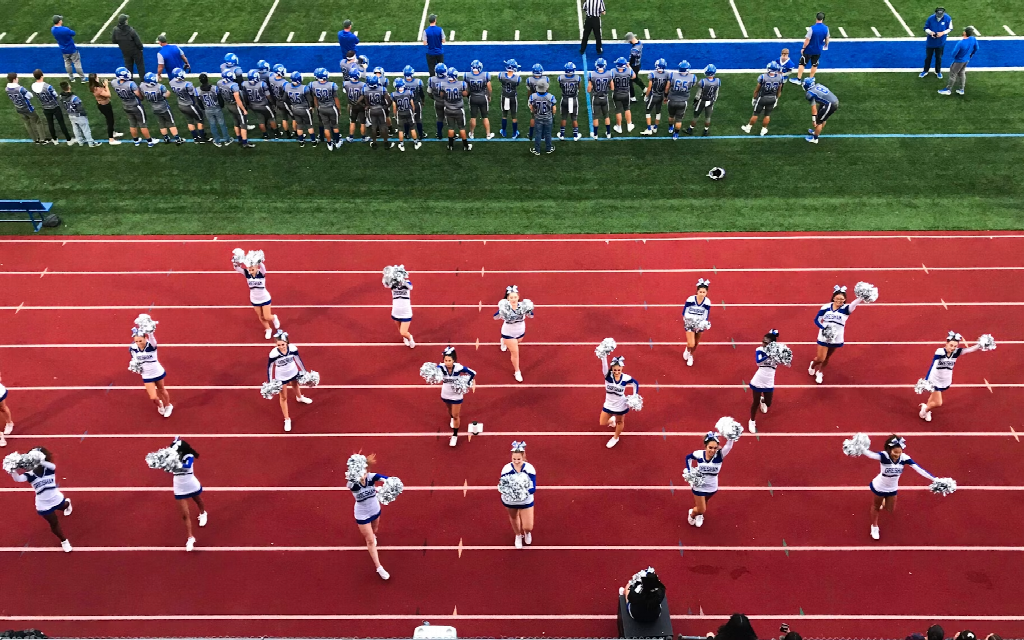
Cheerleading has evolved from simple sideline chants into a demanding athletic discipline that blends gymnastics, dance, and synchronized movement. At the heart of every successful routine lies a carefully crafted soundtrack—one that drives tempo, amplifies energy, and unifies the team’s movements into a cohesive performance.
As routines have grown more complex, so has the demand for professional-grade music. Premade cheer music has emerged as a practical solution for teams seeking high-quality audio without the time and expense of custom production. These ready-to-use tracks combine professional mixing, legal clearances, and choreography-friendly structure, allowing coaches and athletes to focus on what matters most: perfecting their routines and building team cohesion.
From Simple Beats to Sophisticated Soundscapes
Early cheerleading routines relied on live bands, basic drum beats, or crowd chants. As the sport gained recognition and competitive structure in the 1980s and 1990s, music became more integral to scoring and presentation. Teams began using cassette tapes with popular songs, often spliced together with rudimentary editing equipment.
The digital revolution transformed cheer music production entirely. Synchronized audio can improve coordination, reduce perceived exertion, and enhance overall execution—findings that have shaped how modern routines are designed.
Today’s cheer music incorporates layered vocals, sound effects, tempo shifts, and seamless transitions that would have been impossible to produce just two decades ago. Professional producers now create tracks specifically engineered for the 2:30 competition format, with built-in cues for stunts, tumbling passes, and formation changes.
Why Teams Choose Premade Music
Premade cheer music offers several practical advantages that have made it the preferred choice for programs at every level:
- Immediate availability: Teams can browse extensive libraries and download competition-ready tracks within minutes, eliminating weeks of back-and-forth with custom producers.
- Professional production quality: Tracks are mixed by specialists who understand competition sound system requirements, ensuring clarity and impact in large venues.
- Legal compliance: Reputable providers handle music licensing, protecting teams from copyright issues that can result in score deductions or disqualification.
- Budget accessibility: Premade options typically cost a fraction of custom production, making professional-grade music available to programs with limited resources.
- Consistency across performances: Using the same track for practice and competition helps athletes internalize timing and transitions, reducing errors under pressure.
What Makes an Effective Competition Track
Selecting the right music requires understanding how audio elements interact with choreography and judging criteria. Coaches should evaluate potential tracks across several dimensions:
- Tempo progression: Effective routines often build energy through strategic tempo changes, starting strong, dipping slightly during technical sections, and finishing with maximum intensity.
- Dynamic range: Contrast between powerful sections and brief quieter moments helps highlight specific skills and prevents auditory fatigue in judges and spectators.
- Vocal clarity: Chants and voice-overs should be crisp and intelligible, even when layered over music, to maximize crowd engagement and scoring impact.
- Transition smoothness: Abrupt cuts between songs can disrupt flow; professional mixes use beat-matching and crossfades to maintain momentum.
- Thematic coherence: Whether classic cheer, hip-hop influenced, or pop-driven, the music should support a unified concept rather than feeling like a random playlist.
Many teams work with specialized cheer music providers like Cheerleading Mix, which offer genre-specific collections designed around common routine structures and skill progressions. Comparable services from Power Music Cheer and Monster Mix Productions round out the options teams typically compare before choosing a provider.
Premade vs. Custom: Making the Right Choice
The decision between premade and custom music depends on a team’s specific circumstances, competitive level, and strategic priorities.
Premade music excels when:
- Timeline is tight: Teams preparing for early-season competitions or working with compressed preparation schedules benefit from immediate access to finished tracks.
- Budget is constrained: Programs can allocate saved funds toward coaching, training facilities, or competition fees.
- Choreography is flexible: When routines can be adapted to fit available music rather than requiring music tailored to predetermined choreography.
- Legal simplicity matters: All licensing is handled by the provider, eliminating administrative burden.
Custom production makes sense when:
- Uniqueness is paramount: Elite teams competing at nationals may want distinctive audio that sets them apart from dozens of other routines.
- Specific timing is required: Choreography built around particular skills or formations may demand precise musical cues that premade tracks can’t provide.
- Brand identity matters: Established programs with signature styles may want music that reinforces their recognizable aesthetic.
- Budget allows: Custom tracks typically cost several hundred to over a thousand dollars, depending on complexity and producer reputation.
Music’s Role in Competitive Success
In cheerleading competitions, music accounts for a portion of the overall score through performance execution and crowd engagement categories. Beyond direct scoring impact, the right soundtrack influences performance in several measurable ways:
- Synchronization precision: Consistent beats help athletes maintain timing across complex formations, particularly important for teams with varying skill levels.
- Energy management: Strategic tempo and intensity changes help athletes pace their effort across the 2:30 routine, preventing early fatigue that degrades technique.
- Psychological priming: Familiar, high-energy music can trigger pre-performance routines that reduce anxiety and enhance focus, particularly valuable for younger or less experienced athletes.
- Crowd response: Engaging music amplifies audience reaction, which in turn energizes performers and can influence judges’ subjective impressions.
Current Trends Shaping Cheer Music
The cheer music landscape continues to evolve, influenced by broader music industry trends and the sport’s own competitive dynamics:
- Genre blending: Modern tracks frequently mix pop, EDM, hip-hop, and traditional cheer elements within a single routine, creating dynamic contrast and broader appeal.
- Viral sound integration: Popular TikTok audio clips and trending songs appear in routines within weeks of going viral, helping teams connect with younger audiences and judges.
- Retro revivals: 80s and 90s throwback elements have gained popularity, offering nostalgic appeal while feeling fresh to younger athletes.
- Minimalist sections: Brief moments with stripped-down audio or silence create dramatic contrast and highlight specific skills or formations.
- Customizable templates: Some providers now offer semi-custom options where teams can select specific song segments or adjust certain elements while maintaining professional production quality.
Beyond Performance: Music’s Impact on Team Culture
While competitive success drives many music decisions, the right soundtrack also contributes to team cohesion and athlete well-being in ways that extend beyond the competition floor.
Shared musical experiences create bonding opportunities during practice, travel, and warm-ups. Teams often develop traditions around specific songs or sections of their routine music, building inside jokes and shared memories that strengthen relationships. This social cohesion has been linked to improved performance outcomes and greater athlete retention.
Music also serves as a motivational tool during grueling practice sessions. Upbeat, energizing tracks can make repetitive skill work feel less tedious and help athletes push through physical discomfort. Conversely, using competition music sparingly during practice can maintain its psychological impact and prevent athletes from becoming desensitized to its energizing effects.
For coaches managing diverse teams with varying skill levels and backgrounds, music provides a unifying element that transcends individual differences. A well-chosen track can help newer athletes feel connected to team traditions while giving veterans a sense of continuity and pride.
Making Music Work for Your Team
Premade cheer music has democratized access to professional-quality soundtracks, enabling teams at every level to compete with polished, legally compliant audio that enhances both performance and team culture. The key is selecting tracks that align with your team’s skill level, competitive goals, and identity while remaining flexible enough to adapt choreography to the music’s structure.
Whether you’re coaching a youth recreational squad or an elite all-star program, the right music choice can elevate execution, energize athletes, and create memorable performances that resonate with judges and audiences alike. As the sport continues to evolve, staying informed about production trends and understanding how music influences both physical performance and psychological readiness will remain essential components of competitive success.