
You just finished a long run, an intense cycling session, or a series of swim workouts. Now your legs feel like concrete, and tomorrow’s training session is already looming. Poor recovery does not just make you miserable.
It also hurts your next performance and increases your risk of injury.
This is why many endurance athletes are turning to cold exposure as a strategic recovery tool. Here is how it works and when you should and should not use it.
What Happens to Your Body During Cold Exposure
When you immerse yourself in cold water, your body kicks into survival mode. Blood vessels near your skin constrict rapidly, pushing blood toward your core. This process, called vasoconstriction, helps flush metabolic waste from your muscles.
Once you exit the cold, your blood vessels dilate again. Research in the Journal of Sports Science and Medicine explains that fresh, oxygen-rich blood rushes back into your muscles, jumpstarting the repair process. Cold exposure also triggers a massive release of norepinephrine, a neurotransmitter that sharpens focus, elevates mood, and reduces pain perception.
Research shows that cold water immersion can increase norepinephrine levels by two to three times, and this effect remains consistent even after weeks of regular practice. That neurochemical boost actively reduces inflammation and helps regulate your body’s stress response, which is one of the key benefits of cold exposure after a workout and makes it so effective for endurance athletes. Regular cold exposure can also help muscles feel less sore after exercise.
Why Runners Benefit from Cold Exposure
Runners face unique recovery challenges. The repetitive impact creates significant muscle damage, particularly in the quadriceps and calves. Delayed onset muscle soreness can peak 24 to 48 hours after a hard effort, leaving you hobbling down stairs.
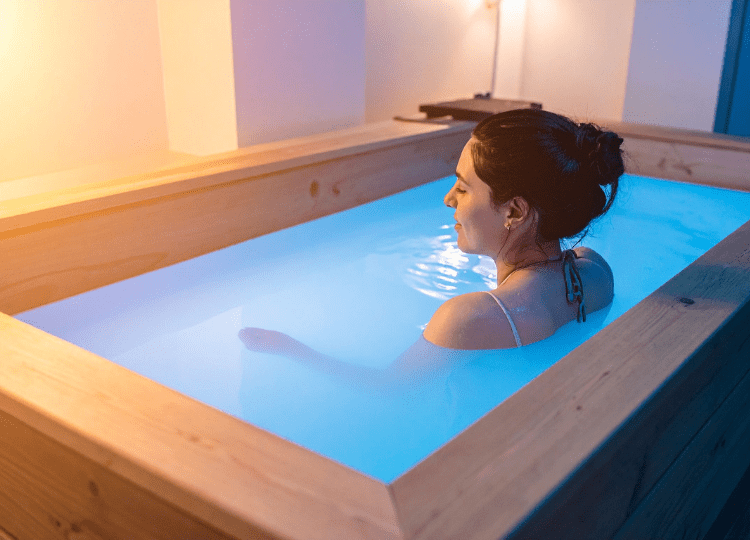
For marathoners especially, strategic cold exposure within the first hour or two after your long run maximizes the anti-inflammatory effect. Having a dedicated plunge from Polar Recovery helps athletes stay consistent with this practice. When cold immersion becomes part of your post-run ritual rather than an afterthought, you are more likely to actually do it.
Cold water immersion addresses this directly. A study comparing recovery methods after a marathon found that cold water immersion outperformed whole-body cryotherapy for preserving muscle function. Runners who used cold water reported easier walking mechanics and returned to movement sooner.
How Cyclists Can Use Cold Strategically
Cyclists face different demands than runners. Without impact stress, muscle damage tends to be less severe. However, the cardiovascular and thermal load during long rides creates its own recovery needs. Combining cold therapy with proper stretches for cyclists addresses both inflammation and the muscle tightness that comes from hours in the saddle. Proper recovery boosts endurance and lowers injury risk.
The strongest evidence for cycling relates to back-to-back performance. When you have multiple stages or two-a-day training sessions, cold water immersion helps maintain power output. Research shows cyclists who used cold immersion between time trials preserved their performance, while those using passive recovery saw power numbers drop. It can also reduce muscle soreness.
Pre-cooling is another powerful tool for hot-weather racing. Lowering your core temperature before a race gives your body’s cooling mechanisms a head start, providing a genuine competitive edge.
One caveat: avoid cold immersion immediately after gym sessions or sprint-focused power work. The inflammation you’re reducing is actually part of the adaptation signal for building strength.
Cold Exposure for Swimmers and Triathletes
Swimmers and triathletes have a complicated relationship with cold water. For open water athletes, cold isn’t just a recovery tool—it’s an environmental challenge requiring preparation.
Here’s encouraging news: cold acclimatization happens faster than you might think. Research shows that just five to six immersions of two to three minutes each can reduce your cold shock response by up to 50 percent. This adaptation can persist for up to 14 months, maintaining a 20 to 25 percent reduction.
For triathletes, maintaining brief cold water exposure during the off-season pays dividends at race time. You’ll feel more comfortable in cold open water, experience less hyperventilation, and focus on your stroke rather than fighting panic.
When to Use Cold Exposure (And When to Skip It)
Not every workout calls for an ice bath. Using cold exposure indiscriminately can work against your training goals.
Save cold immersion for your hardest endurance days or when another demanding session is coming soon. After a recovery jog or easy spin? Let your body handle things naturally.
Critical timing tip: if building muscle or strength is your goal, avoid cold immersion immediately after resistance training. Studies show cold exposure right after lifting can blunt the anabolic signaling that drives adaptation. Wait at least four hours, or schedule cold therapy for another day.
Practical Protocols: Temperature, Duration, and Frequency
You don’t need extreme cold to get results. Here’s what research supports:
- Temperature: 50 to 59 degrees Fahrenheit hits the sweet spot. Colder isn’t necessarily better.
- Duration: Ten to fifteen minutes is standard, but even two to three minutes triggers beneficial responses. Start shorter and build up.
- Frequency: 11 to 15 minutes of total weekly cold exposure—spread across two to four sessions—is enough for positive changes.
- Depth: Immersion up to your neck creates hydrostatic pressure that enhances recovery beyond temperature alone.
The “Søeberg Principle” suggests ending with cold rather than warming up immediately. Let your body reheat naturally for 10 to 15 minutes to maximize metabolic benefits.
Frequently Asked Questions
How soon after a workout should I do cold immersion?
Within one to two hours of finishing your endurance session is ideal for maximum anti-inflammatory effects.
Can I just take a cold shower instead?
Cold showers provide some benefits, particularly the norepinephrine boost. However, full immersion is more effective for serious recovery due to hydrostatic pressure and consistent temperature.
Is cold water immersion safe for everyone?
Most healthy athletes tolerate it well, but those with cardiovascular conditions should consult a doctor first. Start gradually and never plunge alone.
Should I use cold exposure before or after my race?
After is better for recovery. The exception: racing in heat, where pre-cooling 30 to 60 minutes before start time can improve performance.
How long until I stop hating it?
Most people find the shock decreases significantly after five to six exposures. The mental resilience you build transfers directly to racing.
Key Takeaways
- Cold immersion reduces inflammation, flushes waste, and triggers norepinephrine release for faster recovery
- Runners benefit most from post-long run exposure to combat delayed onset muscle soreness
- Cyclists should prioritize cold when facing back-to-back sessions or competing in the heat
- Swimmers and triathletes can halve their cold shock response with just five to six brief exposures
- Skip cold after strength training—it can blunt muscle-building adaptations
- Aim for 11 to 15 minutes weekly at 50 to 59 degrees Fahrenheit
- Let your body rewarm naturally to maximize benefits