

Good job on already taking the first step towards a healthier lifestyle and a stronger body: you’ve started working out. But showing up to the gym is just the start. To really make progress, you need to build a routine that helps your body get the most out of working out, recover and keep going over time. That routine has to be based around habits that work together to support your body both when you’re at the gym and when you’re not.
Your gym sessions are just one part of the picture; what you do before and after your workouts can have just as much impact on your progress. Proper nutrition, a good night’s sleep, staying hydrated, recovery from your workouts, dealing with stress, and getting the right gym supplements all help your body do its best and recover faster between sessions.
Proper Nutrition

Your body needs the right fuel to get the most out of your workouts. When you exercise, you’re putting stress on your muscles and energy systems, so what you eat can really make a difference in how well you perform, recover and progress overall. Eating a balanced diet that’s got enough protein, carbs, healthy fats, vitamins and all the minerals it needs can help keep your muscles in top condition, maintain your energy levels and keep your body in good running order. Protein is key for repairing and building muscle, while carbs help you recover from your training sessions.
It’s also super important to stick with a regular eating routine. Skipping meals, not eating enough, or relying too much on takeout and convenience foods can leave you feeling knackered, unmotivated and just not up for a workout. Simple habits like eating balanced meals, getting enough protein throughout the day and staying hydrated can really make a difference in both how well you do in your workouts and how you feel in general.
The Right Gym Supplements
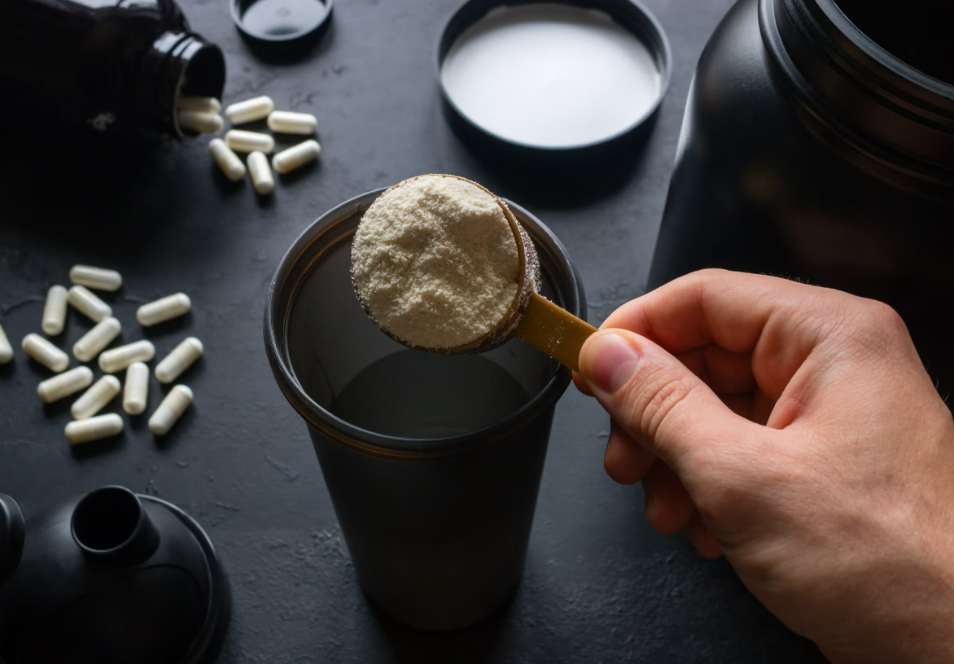
While food should always be the main focus of any fitness routine, some effective and easily digestible gym supplements can help fill in the gaps and give you a bit of extra support where you need it. Depending on your goals, supplements can help with muscle recovery, workout performance, endurance, strength, or just getting your daily protein intake up.
For a lot of gym-goers, protein powders are a convenient way to boost their protein levels after a workout or when they’re really short on time and can’t get a decent high-protein meal. A pre-workout supplement is also pretty popular for giving you a bit of a boost and helping you focus before a session. Then there are electrolytes and amino acids to help keep you hydrated and recover from more intense exercise sessions.
What matters most is to pick the right workout supplements for what you’re trying to achieve and have them fit in with your routine naturally. And of course, quality matters – it’s got to be a well-formulated product made by a reputable brand, so you can feel confident about what you’re putting in your body.
Quality Sleep
Sleep is probably the most overlooked part of any fitness routine, yet it makes a huge difference in how your body performs and recovers. While you’re snoozing, your body uses the time to fix muscle tissue, top up your energy levels, and make sure you’re good to go after a tough training session. Not getting enough quality shut-eye makes it a lot harder to stay motivated, keep performing in the gym, and bounce back between sessions.
And it’s not just about how well you recover – poor sleep can also mess with your focus, energy levels, mood, and even appetite. All of which makes it way harder to stick to good habits. On the flip side, getting some decent rest each night can make you feel more energised, smash your workouts and support long-term fitness gains.
Getting a sleep routine going, keeping an eye on screen time in the evenings and making sure you’ve got enough time to recharge can make a world of difference both in the gym and in general wellbeing.
Proper Recovery
Recovery is where all the real progress happens – and it’s not just about taking it easy. Training is tough on your muscles, and without proper recovery, they just can’t bounce back. And even the best workout plan in the world can start to feel like a chore if you’re not recovering properly.
Good recovery isn’t just about taking rest days, though – it’s about how you look after yourself when you’re not training. That means getting some light exercise in, like a walk or some stretching, doing some mobility work, making sure you’re drinking plenty of water and eating the right foods to help your muscles repair. And of course, listening to your body is key – if it’s telling you that you need a bit more rest, then it’s high time to take it easy.
When you treat recovery as part of your routine rather than an afterthought, you reduce the risk of getting tired and injured and improve your chances of sticking to your plan and seeing real results.
Stress Management
Stress can really knock fitness progress off track in a big way. When you’re feeling stressed to the max, it can mess with your energy, motivation, sleep and even how quickly you recover after a workout. And that can make it super tough to keep a consistent fitness routine and see steady progress.
Managing stress isn’t about getting rid of stress altogether; it’s more about finding ways to keep it from getting out of control. Simple little habits like moving your body regularly, going for a walk, spending time outside, and setting goals that are actually achievable can all help ease up on the mental pressure. And even just setting aside a few minutes a day to unplug from training and work can make a big difference.
When you’ve got your stress levels under control, your body can focus on recovery, performance and adapting to your training. It’s a much more balanced approach to fitness, where both your body and mind are working together to help you get the long-term results you’re after.
Consistency
Consistency is what turns brief bursts of motivation into lasting results. Now it’s easy to get all fired up at the start of a new fitness journey, but it’s the small, steady habits that get maintained over time – even on those days when motivation is low – that will actually drive real progress.
Now I’m not saying you need to have perfect workouts, stick to a super strict routine or perform at a high level every day. It’s about building a realistic routine that fits your life and lets you keep showing up to your workouts regularly. Doing it consistently, eating decent food most of the time, taking care of your recovery and looking after your body with good habits all add up to steady progress over time.
Fitness is rarely about fast fixes. Most of the time, getting real results is about being patient, finding a balance and having a routine that you can realistically stick to long-term.