
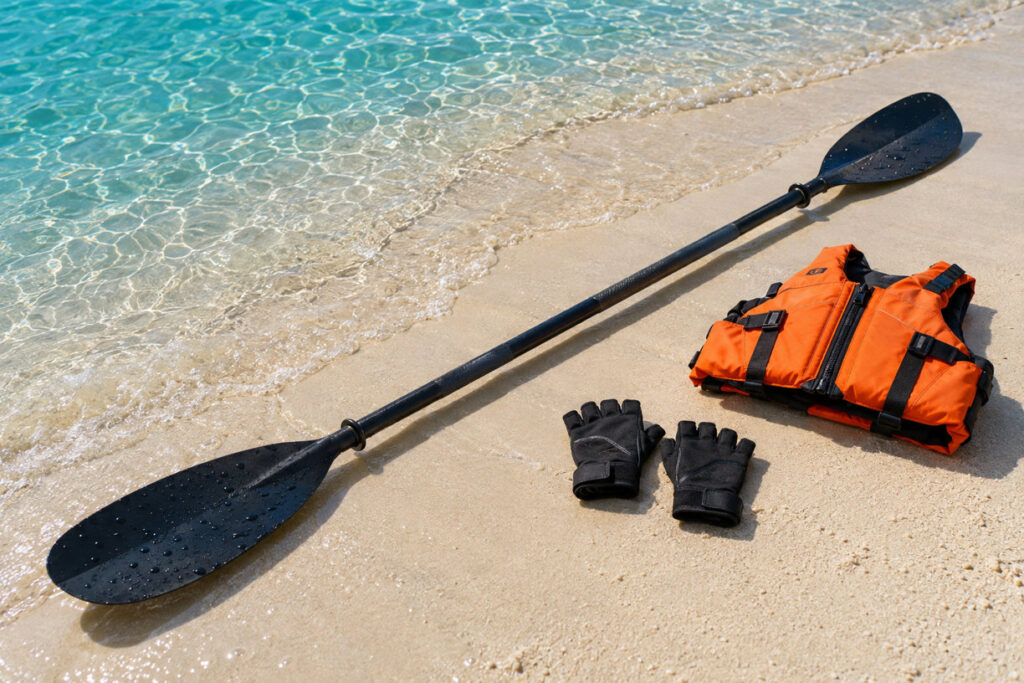
Paddling delivers a true whole-body training effect, but the right equipment setup is key to building strength, stamina, and confidence during every session.
Kayaking stands out as both a fitness pursuit and a technical sport. When you settle into a boat and take your first strokes, you engage a unique blend of power, stability, and coordination. Whether you are new to paddling or aiming to improve your training quality, the choice of equipment can make or break your workout. Properly selected kayak gear can help you use your effort efficiently and reduce the chance of discomfort, so you can focus more on performance and less on coping with fatigue.
The mechanics of full-body kayak training
Unlike many forms of cardio or resistance exercise, kayaking requires a mix of push-pull and rotational movements. Each stroke uses your shoulders, upper back, and arms, but lasting stamina depends on effective trunk rotation and leg involvement. A powerful paddling rhythm starts with the catch, the blade entering the water, driven by core and hip motion more than just arm strength. Bracing your legs against footrests also enables you to transfer force through your entire body.
As sessions get longer, many paddlers notice the first signs of grip fatigue, wavering trunk stability, and upper-back tiredness. When these areas tire, your form can unravel, leading to inefficiency and a higher risk of overuse discomfort.
How equipment impacts workout quality and safety
Equipment setup is more than a matter of preference. The fit of the kayak, the positioning of footrests, and the type of paddle all influence how efficiently you can generate stroke power. If your seating position is too loose or too restricted, you might rely on awkward movements that drain energy and stress your joints. Poor paddle length or shaft diameter can encourage overgripping or shoulder shrugging, both subtle technique breakdowns associated with poorly adapted gear.
Common signs of technical problems, like numb hands, shoulder tenderness, or an inability to maintain proper trunk rotation, can often trace back to suboptimal equipment rather than lack of fitness alone. Choosing the correct equipment and making small adjustments can play a significant role in preventing these issues, helping you train more comfortably and efficiently.
Key equipment categories for effective paddling sessions
Paddle selection and performance
The paddle’s length and blade design directly affect your cadence and how much force reaches your joints with every stroke. Shorter paddles with small blades encourage fast-paced strokes but are typically easier on the shoulders and wrists. Larger blades deliver more force per stroke but can increase strain if your form or fitness base is still developing. Shaft diameter and grip texture play a role in control and how quickly your hands fatigue.
Seating and posture support
A kayak seat that provides adjustable lumbar support helps you keep a tall posture and use your hips for rotation. Seats with insufficient support often result in slouched paddling, sapping power and placing extra load on your lower back over time.
Foot and lower-body bracing
Solid, adjustable footrests, or thigh bracing pads, allow you to push against the boat during each stroke. This connection boosts core engagement and leg drive, making the workout truly full-body rather than arm-centric. Customizing footrest width and angle can improve alignment and comfort on longer paddles.
Comfort and safety accessories that support longer training
Preventing blisters and hotspots matters as much as stroke technique in maintaining quality training volume. Paddling gloves or fingerless mitts reduce friction and can help delay grip fatigue. Even simple tape wraps applied to common abrasion points on your paddle shaft can reduce irritation.
When training in varied climates, layering options should match both water and air temperature. Quick-drying synthetic or merino base layers can provide insulation without overheating, while windproof shells shield you in exposed conditions. High-visibility clothing and a personal flotation device are standard considerations, helping you plan sessions with fewer avoidable surprises.
Examples: How equipment shapes your training session
- Steady aerobic technique session: Using a lightweight paddle with a narrow blade, set out for 45 minutes maintaining a set rhythm with relaxed hands. Focus on smooth trunk rotation and keeping your shoulder low and relaxed. The right seat and footrest setup lets the legs and core drive, delaying grip and lower-back fatigue.
- Interval power and rotation session: Switch to a paddle with a broader blade and intensify intervals, emphasizing powerful trunk twists and quick leg engagement. Between bouts, loosen your grip and reset posture; gloves or handle tape may help reduce hot spots during repeated starts and stops.
Quick checks for effective equipment setup
Signs that your gear might be limiting your performance include persistent numbness in the hands, sore shoulders after moderate sessions, or early grip fatigue. Before replacing kit pieces, try adjusting your seat angle, loosening or tightening thigh straps, or tweaking your paddle’s grip width. Small refinements can have a big effect on comfort and stroke mechanics.
Getting the right gear combination means you spend energy building fitness and refining technique, not compensating for awkward fits or persistent discomfort. Attention to fit, posture, and protection helps you train harder and more often, with fewer interruptions from preventable aches and overuse issues.