
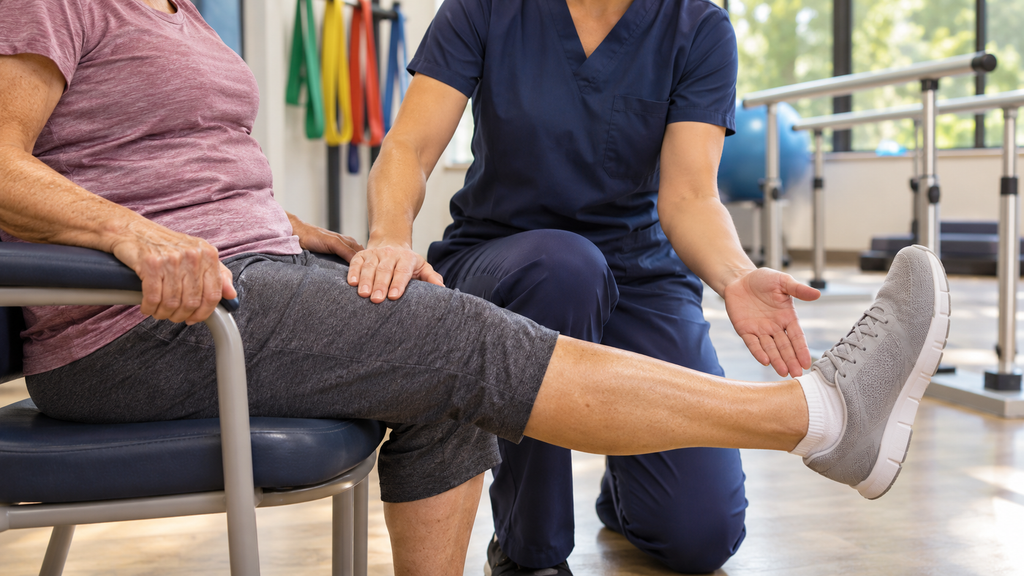
Plenty of people who live in the gym eventually ask the same question: could I do this for patients instead of clients? The pull is understandable. Coaching, encouragement, an interest in how bodies move, and the patience to repeat an exercise until it clicks are all useful in healthcare support. The catch is that healthcare runs on credentials, and a fitness background does not replace them. The encouraging part is that several entry points are short, affordable, and well within reach, and some lead to roles that are growing quickly.
Why Fitness Skills Carry Over
The Bureau of Labor Statistics lists the qualities that matter for physical therapist assistants and aides: compassion, attention to detail, dexterity, interpersonal skills, and physical stamina. Anyone who has spent years in a gym, coaching or training, will recognize most of them. You are used to explaining movements clearly, noticing small changes in form, and keeping people motivated when progress is slow.
It helps to be honest about the limits, though. Rehab and nursing roles involve supervised clinical work, state rules, and in many cases a license. A personal training certification can show initiative and foundational knowledge, but it does not satisfy those requirements. Think of your fitness background as a head start on the people side of the job, not a shortcut around the training.
Four Entry Points at a Glance
The table summarizes four common routes using Bureau of Labor Statistics figures. Pay is the national median for May 2025, and outlook is the projected change in employment from 2025 to 2035. For comparison, the average projected growth across all occupations is 3 percent.
| Role | Typical Entry Route | Median Pay | Projected Growth |
| Physical therapist aide | High school diploma plus on-the-job training; no license required | $35,240 | 4% |
| Nursing assistant (CNA) | State-approved education program plus a state competency exam | $42,260 | 3% (assistants and orderlies) |
| Licensed practical nurse (LPN/LVN) | State-approved program, typically about one year, plus a license | $64,400 | 3% |
| Physical therapist assistant (PTA) | Associate degree from an accredited program plus a license or certification | $68,380 | 23% |

Starting Points: Rehab Aide and CNA
A physical therapist aide is the lowest barrier to entry in rehab. Aides typically need a high school diploma and on-the-job training that can last from about a week to a month, and states do not require them to be licensed. The work is practical: cleaning and setting up treatment areas, preparing equipment, helping patients move to and from therapy, and handling clerical tasks such as scheduling. The pay is modest, and BLS notes that restrictions in insurance reimbursement may limit demand for aides, so many people treat the role as a way to learn the setting and decide whether to continue.
The nursing assistant path asks for a little more. Nursing assistants typically complete a state-approved education program that includes classroom instruction and supervised clinical work, then pass their state’s competency exam. In some states the title is certified nursing assistant, or CNA, but titles vary. The work is hands-on personal care, helping patients with daily activities, which suits people who enjoy being on their feet and working directly with people.
Stepping Up: PTA and LPN
The jump in pay and responsibility comes with formal education. Physical therapist assistants treat patients under the direction of a physical therapist, helping with exercises, stretching, and gait and balance training, and they record progress for the therapist. All states require an associate degree from an accredited program, which typically takes about two years, and a license or certification. BLS projects 23 percent growth for assistants through 2035, citing an aging population and healthcare providers’ reliance on assistants to help reduce the cost of therapy.
Licensed practical nurses follow a different track. According to BLS, LPNs and licensed vocational nurses complete a state-approved program that typically takes about a year and must be licensed. The occupation is large, with about 667,000 jobs in 2025, and its median pay is higher than most entry-level support roles, though projected growth is only about as fast as average.

What a Local Job Market Looks Like
National numbers only go so far. Healthcare hiring is local, and the mix of employers shapes which roles you will see. A mid-sized city such as Dover, Delaware makes a good example. A search for lpn jobs dover de returned 31 on-site healthcare openings at the time of writing, including a rehabilitation hospital advertising therapy and nursing positions side by side, a hospice hiring a part-time LPN, a home health provider, and a senior living community seeking an LPN or LVN.
Two things stand out in listings like these. First, rehab and nursing roles often sit in the same buildings, so people who start as aides can see what the next steps look like. Second, many openings are part-time, PRN, night, or weekend positions. That schedule can be a good fit for people who are changing careers while keeping another job, but it is worth asking about hours before you commit. Employers set their own requirements, so treat any listing as a starting point and confirm the details with the employer.
The Physical Reality of the Work
Fitness lovers sometimes assume the physical side of these jobs will be easy. It deserves respect. BLS notes that physical therapist assistants and aides are frequently on their feet and moving, often kneel, stoop, and bend, and must lift and move patients, which leaves them vulnerable to back injuries. Using proper technique matters as much for the caregiver as for the patient. People who already understand movement, bracing, and load management tend to adapt well, but only if they apply it on the job.
A Practical Path Forward
- Get a feel for the setting. Shadow someone, volunteer, or take an aide role to see whether the day-to-day work suits you.
- Check your state’s rules. Licensing and training requirements vary, and the CareerOneStop license finder lists state requirements by occupation.
- Choose a route that matches your time and budget: a short aide or CNA path now, or a longer program for PTA or LPN.
- Keep basic certifications current, such as CPR or basic life support, which BLS notes assistants may earn.
- Compare local employers, schedules, and training support before you apply.
- Plan your finances and schedule around any unpaid clinical hours or evening classes.
Conclusion
Moving from gym to clinic is realistic, but it is a career change with real requirements, not a simple relabeling of fitness skills. The first step can be small, such as a rehab aide role or a CNA program, and the next can be larger, such as a PTA degree or LPN license. Whichever route you choose, confirm the rules in your state, use official data to compare your options, and match the path to the life you actually want to lead.
This article is for informational purposes only and is not career, medical, or legal advice. Training, licensing, and pay vary by state and employer, so confirm requirements with your state board and employer before you make decisions.