
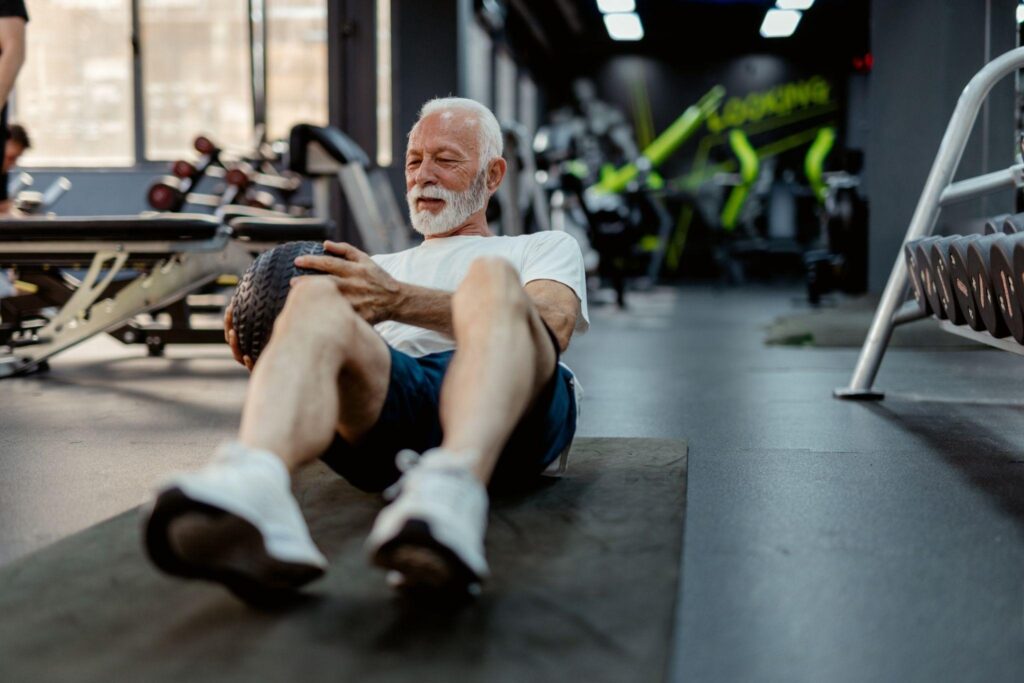
Knowing how to respond to an emergency is an important part of gym safety. While serious medical incidents are relatively uncommon, they can happen in any fitness environment, from busy commercial gyms to smaller personal training studios.
For gym owners, fitness instructors and regular gym members, having a basic understanding of first aid, CPR and how to use an automated external defibrillator (AED) can make a real difference. Being prepared means knowing what to do, how to help someone safely and when to seek emergency assistance.
Imagine you’re halfway through a workout at your local gym when someone nearby suddenly collapses. Other gym members stop what they’re doing, and there’s some uncertainty about how to respond.
Would you know what to do?
In situations like this, having some first aid knowledge can be invaluable. Rather than waiting for someone else to take charge, you can help provide immediate assistance while emergency services are on their way. Courses covering CPR AED First Aid teach essential skills that can be useful in gyms and other everyday environments.
Why Is First Aid Important in Gyms?
Regular exercise has many benefits for cardiovascular health, but physical activity can also place additional demands on the body. In some cases, particularly for people with underlying or undiagnosed heart conditions, intense exertion can contribute to a cardiac event.
Although these incidents are relatively rare, sudden cardiac arrest can affect people of different ages and fitness levels. Being physically active does not eliminate the possibility of a medical emergency.
When someone experiences cardiac arrest, their heart can no longer pump blood effectively around the body. Without prompt treatment, the lack of oxygen can cause serious damage. Early CPR and access to an automated external defibrillator (AED) are therefore particularly important.
In a gym environment, staff members and other people nearby may be the first to respond. Knowing how to recognise an emergency, contact emergency services and provide basic assistance can help while waiting for paramedics to arrive.
What Happens When You Use an AED?
Automated external defibrillators (AEDs) are increasingly available in gyms, sports facilities and other public spaces. However, some people are still unsure about using them, particularly if they have never received formal training.
The good news is that modern AEDs are designed to be straightforward to operate, even for people without medical experience. Once switched on, the device provides clear spoken instructions to guide the user through the process.
The general steps include:
- Step 1: Switch on the AED and follow its instructions. Expose the person’s chest and attach the adhesive pads according to the diagrams provided.
- Step 2: Allow the device to analyse the person’s heart rhythm. Make sure nobody is touching them during this process.
- Step 3: If the AED advises a shock, make sure everyone is clear before pressing the shock button. Continue following the device’s instructions.
AEDs are designed to analyse the heart’s rhythm and will only recommend a shock when appropriate. This makes them an important tool for bystanders responding to a suspected cardiac arrest.
CPR should also be started as soon as possible and continued alongside AED use, following the device’s instructions and guidance from emergency services. Early intervention can significantly improve the chances of survival.
How Can Personal Trainers Benefit from First Aid Training?
For personal trainers, group fitness instructors and gym owners, first aid and CPR training are important professional skills.
Many gyms and fitness employers require instructors to hold a current first aid qualification, while some professional bodies and insurance providers also have specific requirements. It’s worth checking the relevant requirements for your role and location.
Beyond meeting these requirements, knowing how to respond to an emergency can help build confidence with clients. Whether it’s recognising the signs of a medical emergency, responding to an asthma attack or dealing with an injury during a workout, being prepared is an important part of providing a safe training environment.
Getting certified doesn’t necessarily mean spending an entire weekend in a classroom, either. Many providers offer blended learning options, allowing participants to complete some of the theory online before attending an in-person session. These practical sessions provide an opportunity to practise essential skills, such as chest compressions and recovery techniques, under the guidance of an instructor.
Which Injuries and Emergencies Are Common in Gyms?
Cardiac emergencies are among the most serious situations that can occur in a fitness environment, but they’re not the only incidents worth preparing for. Gym members and fitness professionals may also encounter a range of injuries and other medical issues.
Some examples include:
- Sprains and Fractures: Injuries can happen during weight training, running, jumping exercises and other physical activities. Knowing how to support an injured limb, limit unnecessary movement and recognise when medical attention is needed can help prevent further injury.
- Heat Exhaustion and Dehydration: Exercise in hot environments, particularly during intense sessions, can increase the risk of dehydration and heat-related illness. Recognising symptoms such as dizziness, excessive sweating, weakness and confusion is important when deciding how to respond.
- Cuts and Bleeding: Minor cuts and more significant wounds can occur when handling gym equipment or exercising. Knowing how to apply direct pressure, protect the wound and control bleeding is a useful first aid skill.
First aid training helps people recognise these situations and understand the appropriate response. Taking a WSIB and OHS-approved course can also provide practical knowledge that applies beyond the gym, including in workplace environments.
If you’re looking for first aid training near Beasley, King Street East, or other areas close to the facility, Coast2Coast First Aid/CPR – Hamilton offers training options in the local area. For more information about available courses and other useful resources, visit Coast2Coast First Aid & Aquatics.
Frequently Asked Questions
1. How long does a standard CPR and First Aid certification last?
In Canada, the validity period depends on the certification provider and course. Red Cross and Heart & Stroke certifications commonly have a three-year validity period, although it’s worth checking the specific requirements of your qualification. Recertification courses may be available for people whose existing credentials are approaching expiry.
2. Can I get certified if I have a busy work schedule?
Yes. Many training providers offer blended learning formats, allowing participants to complete reading materials and online learning modules at their own pace. You’ll still need to attend an in-person session to practise and demonstrate your practical skills to an instructor.
3. Is CPR different for adults compared to children?
Yes. CPR techniques can vary depending on the age and size of the person receiving assistance. Differences may include compression depth, technique and the use of rescue breaths. A comprehensive Level C course covers CPR for adults, children and infants.
4. Will I get in trouble if I try to help someone and something goes wrong?
Canada has Good Samaritan legislation across its provinces and territories, although the specific protections vary. Generally, these laws are intended to protect people who voluntarily provide reasonable emergency assistance in good faith. Taking a recognised first aid course can help you feel more confident about responding appropriately.
5. What is the difference between CPR Level A and Level C?
CPR Level A covers adult CPR, while CPR Level C includes techniques for adults, children and infants. Level C is therefore a more comprehensive option for people working in environments where they may need to assist individuals of different ages, including fitness instructors, coaches and childcare professionals.