
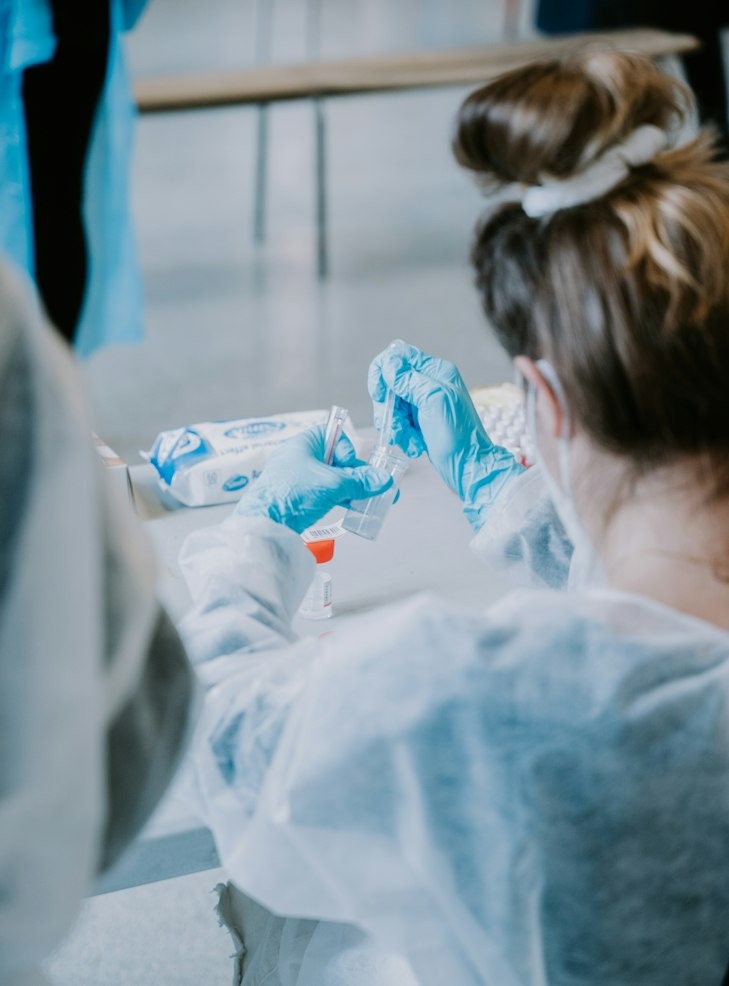
Image Source: https://unsplash.com/photos/person-in-blue-gloves-handling-vials-At-LUvX6Eto
The modern biohacking movement is shifting rapidly toward data-driven, evidence-based practices. Researchers and enthusiasts alike are moving away from trial-and-error approaches in favor of precise, measurable interventions. From sleep optimization to metabolic monitoring, the focus has landed squarely on quantifying cellular and physiological performance.
Understanding these foundational shifts helps reveal where wellness technology is heading next. Emerging science continues to redefine how scientists evaluate human potential, cellular repair, and longevity markers in real time.
Precision Biomarker Tracking Takes Center Stage
Laboratory measurements now dictate individual wellness strategies. Advanced blood panels, gut microbiome sequencing, and genetic testing allow researchers to analyze biological age versus chronological age. Instead of general advice, studies focus on micro-level adjustments tailor-made for specific genetic profiles.
Continuous monitoring tools are leading this charge. Researchers use real-time biomarker tracking to observe immediate physiological responses to stressors, nutrients, and environmental changes. This continuous loop of feedback provides a far clearer picture of metabolic health than traditional annual checkups ever could.
The Rise of Cellular Repair Research
Cellular senescence and mitochondrial dysfunction are primary targets in longevity science. Investigators are actively studying how compounds interact with cellular pathways to stimulate natural clean-up processes like autophagy. Understanding these mechanisms helps clarify how tissues maintain integrity over time.
Much of this research relies on specialized compounds in controlled environments. For example, scientists examine peptides for laboratory research to observe cellular signaling pathways and protein interactions without human trial variables. These basic science investigations pave the way for understanding broader tissue regeneration concepts.
Recent findings highlight how targeting specific receptors can influence cellular energy production. As lab techniques become more refined, scientists can map these complex biochemical reactions with unprecedented accuracy.
Metabolic Flexibility and Continuous Glucose Monitoring
Glucose monitoring has expanded far beyond diabetes management. Scientists now study how non-diabetic individuals respond to varied diets, stress levels, and sleep patterns. Maintaining stable blood sugar levels appears to play a massive role in mitigating long-term systemic inflammation.
Researchers are uncovering several benefits to maintaining peak metabolic flexibility:
- Improved mitochondrial efficiency during shifts between carbohydrate and fat burning
- Lower rates of oxidative stress on vascular structures
- More consistent daily energy levels without sharp cognitive crashes
- Reduced risk markers associated with metabolic syndrome
These metabolic insights help shape future dietary paradigms. By focusing on glycemic variability, studies demonstrate that individual responses to identical foods can differ dramatically based on gut flora and baseline sensitivity.
Nootropics and Cognitive Architecture
Brain health remains a cornerstone of wellness research. Scholars are looking closely at synthetic and natural compounds that support neuroplasticity, memory retention, and mental stamina. The goal is to protect brain tissue against age-related cognitive decline while supporting daily executive function.
Current research explores several key cognitive mechanisms:
- Synaptic plasticity markers influenced by brain-derived neurotrophic factors
- Neuroinflammation reduction through targeted antioxidant pathways
- Acetylcholine modulation to support attention span and focus
- Cerebral blood flow optimization via specialized botanical compounds
These studies provide vital data on how the central nervous system adapts to prolonged stress. As research progresses, the line between preventative neurology and cognitive optimization continues to blur.
Cold Shock and Thermal Stress Protocols
Thermal therapies like sauna exposure and ice baths are under intense scientific scrutiny. Researchers measure how extreme temperature shifts trigger heat shock proteins and cold shock proteins. These specialized stress proteins help repair damaged cellular structures and regulate inflammatory responses.
Regular thermal stress protocols appear to influence positive markers of cardiovascular health. Cold exposure stimulates brown adipose tissue, which burns energy to produce heat and alters systemic metabolic rates. Heat exposure promotes vasodilation and aids in vascular compliance.
Sleep Architecture and Circadian Alignment
Sleep is no longer viewed simply as rest; it is researched as an active neurological cleanup process. Studies emphasize the glymphatic system, which clears metabolic waste from the brain primarily during deep sleep stages. Maximizing time spent in specific sleep phases has become a primary target for performance researchers.
Circadian biology plays a crucial role in this equation. Researchers track how blue light exposure, meal timing, and temperature fluctuations alter melatonin synthesis and cortisol awakening responses. Aligning daily habits with biological clocks yields measurable improvements in recovery markers.
Growth in the Biohacking Market
The global biohacking market size is projected to grow from $22.51 billion in 2026 to $56.31 billion by 2034, exhibiting a CAGR of 12.14% in the forecast period. This rapid expansion highlights how deeply scientific research and consumer interest have merged over recent years.
Personalized nutrition is becoming a major growth driver as the industry moves from generalized dietary recommendations toward individualized strategies informed by biomarkers, analytics, and scientific evidence. As data collection becomes more refined, broader populations are gaining access to targeted insights once reserved for high-level athletic facilities.
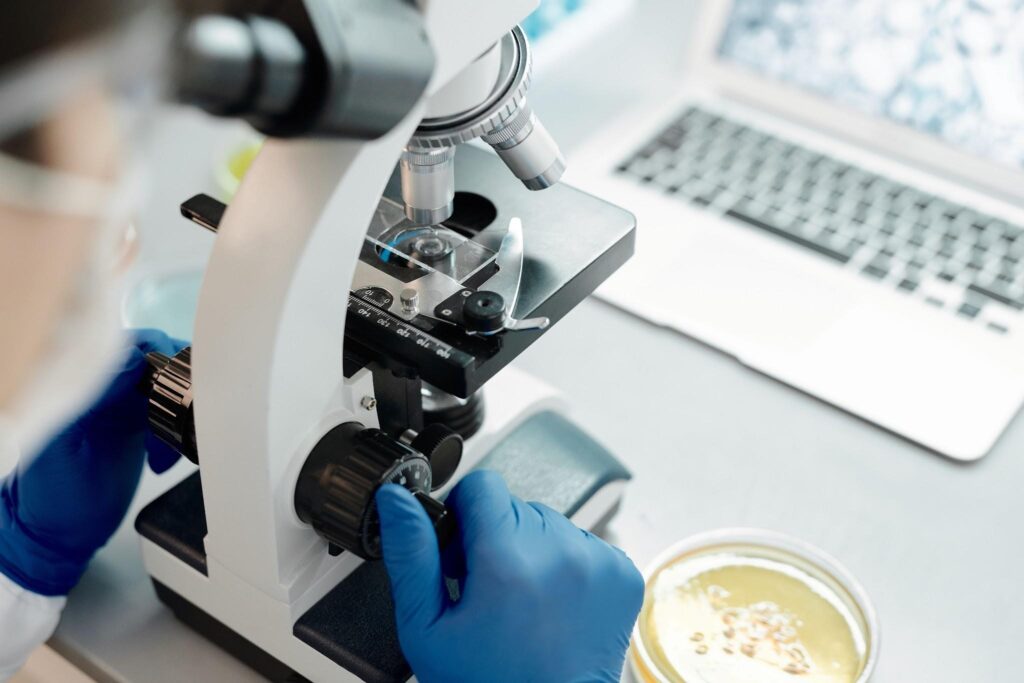
Image Source: https://www.pexels.com/photo/close-up-shot-of-a-scientist-using-a-microscope-4031654/
The trajectory of health optimization relies on rigorous scientific inquiry. As laboratory methods advance and diagnostic tools become more precise, the understanding of human biology will continue to evolve, opening new doors for preventative science and cellular research.