
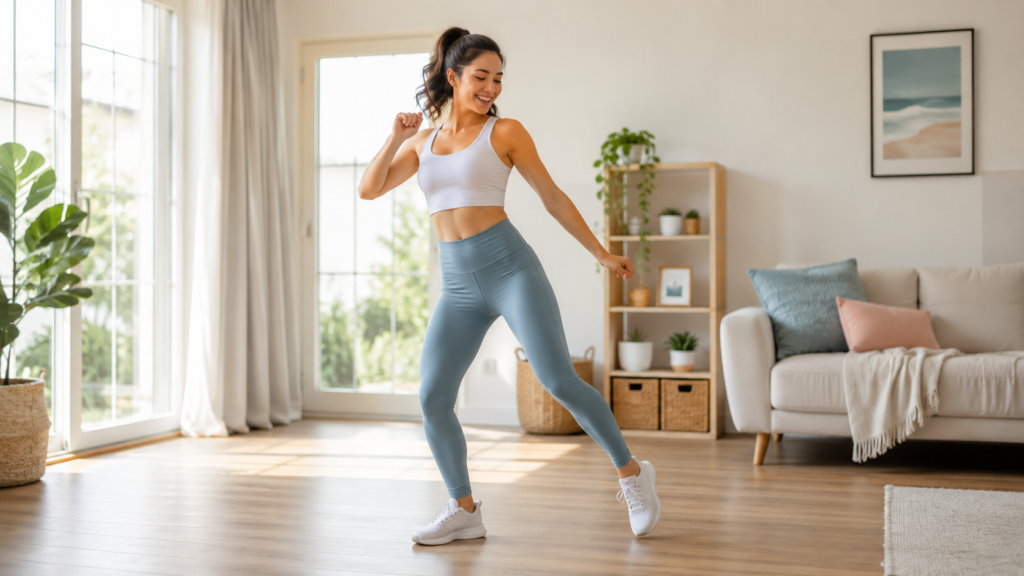
A dance workout is a fun, beginner-friendly way to stay active by combining simple dance movements with fitness-focused exercise. Instead of repeating a traditional routine, you move with music, improve coordination, build stamina, and enjoy exercise in a more relaxed way.
For many beginners, starting at home feels easier because there is no pressure to keep up with a class or perform perfectly. You can choose your pace, repeat steps, rest when needed, and slowly build confidence. Some people also begin with gentler options like chair dance, especially when they want movement that feels approachable, rhythmic, and easy to adapt.
What Is a Dance Workout?
A dance workout blends dance-inspired movement with cardio, rhythm, coordination, and light conditioning. It may include side steps, arm swings, hip movements, gentle turns, squats, marches, or simple footwork.
The goal is not to dance like a professional. The goal is to move your body in a way that feels active, enjoyable, and repeatable.
How a Dance Workout Combines Fun and Fitness
Music changes the way exercise feels. A beat gives your body something to follow, which can make movement feel more natural than counting reps or watching the clock.
Simple routines also help you stay engaged. You might repeat one move for a short time, switch to another, then combine them into a short sequence. This keeps the session fresh without making it complicated.
Why a Dance Workout Is Different from Regular Cardio
Regular cardio can sometimes feel repetitive, especially for beginners who do not enjoy treadmills, bikes, or long indoor walks. Dance fitness feels more dynamic because it includes rhythm, expression, and variety.
You are still raising your activity level, but the experience can feel more playful. That is one reason many people find it easier to return to dance-based exercise consistently.
Why Dance Workouts Are Great for Beginners
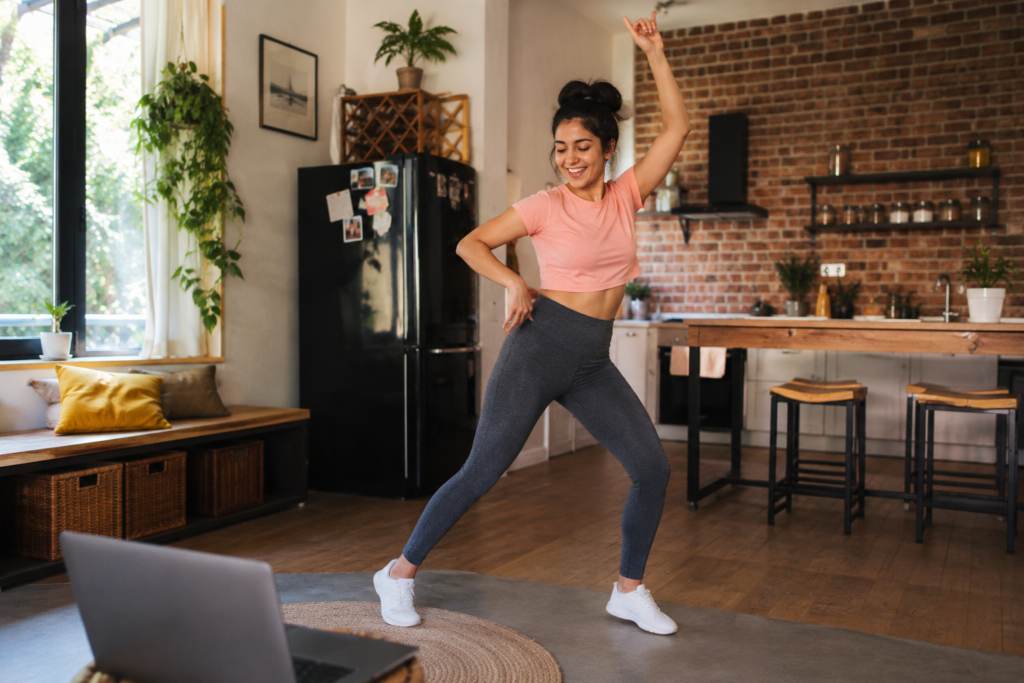
Dance workouts work well for beginners because they are flexible. You can keep movements small, choose slower music, reduce jumping, and take breaks whenever you need them.
A dance workout at home also removes many common barriers. You do not need a studio, expensive equipment, or advanced skills to begin.
A Beginner Dance Workout Does Not Require Experience
A beginner dance workout can start with very basic movements, such as stepping side to side, marching in place, lifting the arms, or adding gentle turns. These moves may seem simple, but they help your body get used to rhythm, coordination, and steady movement.
If you are new to fitness, short sessions are enough. What matters most is building a habit you can repeat.
Dance Fitness Can Feel Less Intimidating
Beginners often worry about doing exercises incorrectly. With dance fitness, the focus is different. You can move at your own pace and treat each session as practice, not performance.
You do not need perfect timing. You do not need perfect choreography. You only need safe movement, comfortable effort, and a willingness to keep going.
How to Start a Dance Workout at Home Safely
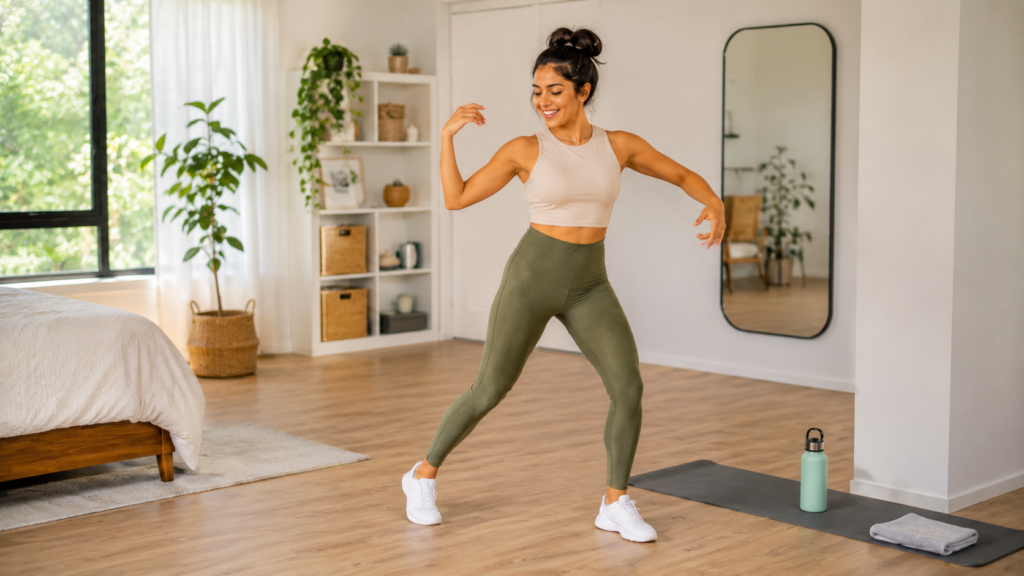
The safest way to begin is to keep things simple. Choose low-impact moves, start with short sessions, and make your space comfortable before you turn on the music.
If you are new to dancing for fitness, a guided dance workout can help you start with simple movements before building intensity.
Prepare Your Space Before a Dance Workout at Home
Before starting a dance workout at home, check your surroundings. You need enough room to step forward, backward, and side to side without bumping into furniture.
Use these simple safety steps:
- Clear the floor of rugs, cords, toys, or clutter.
- Wear comfortable clothes that allow easy movement.
- Choose supportive footwear, especially on hard floors.
- Avoid slippery surfaces.
- Keep water nearby.
- Start with a warm-up before increasing intensity.
A safe setup helps you relax and focus on movement instead of worrying about your space.
Choose Simple Music and Beginner-Friendly Movements
Start with music that has a steady, moderate rhythm. Very fast songs can make beginners rush, lose control, or tire too quickly.
Choose low-impact movements first. Side steps, gentle marches, arm reaches, shoulder rolls, and small hip movements are enough for the first few sessions. As your confidence grows, you can add more variety.
7 Easy Ways to Build a Beginner Dance Workout Routine
A good routine does not need to be long or complicated. The best beginner plan is one you can actually repeat.
Start with Short Dance Workout Sessions
Begin with 10 to 15 minutes. This is long enough to feel active but short enough to avoid burnout. After one or two weeks, you can increase to 20 minutes if your body feels ready.
The aim is steady progress. A short session done regularly is better than one intense session that leaves you too sore to continue.
Mix Simple Steps with Rest Breaks
A beginner routine can be built from a few easy moves. You might do side steps, arm circles, light knee lifts, gentle turns, and small squats.
Try this simple structure:
- Start with a 3–5 minute warm-up.
- Choose 3–5 simple dance moves.
- Repeat each move for 30–60 seconds.
- Take short breaks when needed.
- End with slow stretching.
Rest breaks are not a failure. They help you stay safe, recover, and keep the experience positive.
Use Low-Impact Moves First
Low-impact movement means at least one foot usually stays on the floor. This can feel easier on the joints and more manageable for beginners.
Instead of jumping, try stepping. Instead of fast turns, try slow pivots. Instead of deep squats, try smaller bends. These adjustments keep the session accessible.
Repeat Routines Until They Feel Familiar
You do not need a new routine every day. Repeating the same steps helps your body learn the rhythm and improves coordination.
Once a routine feels familiar, you can change the song, add arm movements, increase the pace slightly, or extend the session by a few minutes.
Focus on Rhythm, Not Perfection
It is normal to miss a step. It is normal to feel awkward at first. A home routine gives you space to practice without judgment.
Focus on staying with the music and moving safely. Over time, your timing, balance, and confidence will improve.
Add Variety Gradually
When the basics feel comfortable, add new styles or movements. You might try Latin-inspired steps, pop routines, light cardio dance, or gentler seated movement options.
Small changes keep the routine interesting without making it overwhelming. Add one new movement at a time so your body can adjust.
Track How You Feel After Each Session
Instead of only tracking calories or time, notice your energy, mood, coordination, and confidence. These signs can show progress in a more encouraging way.
Ask yourself: Did I enjoy the music? Did I move more than yesterday? Do I feel more comfortable with the steps? These small wins matter.
Benefits of a Dance Fitness Workout for Body and Mood
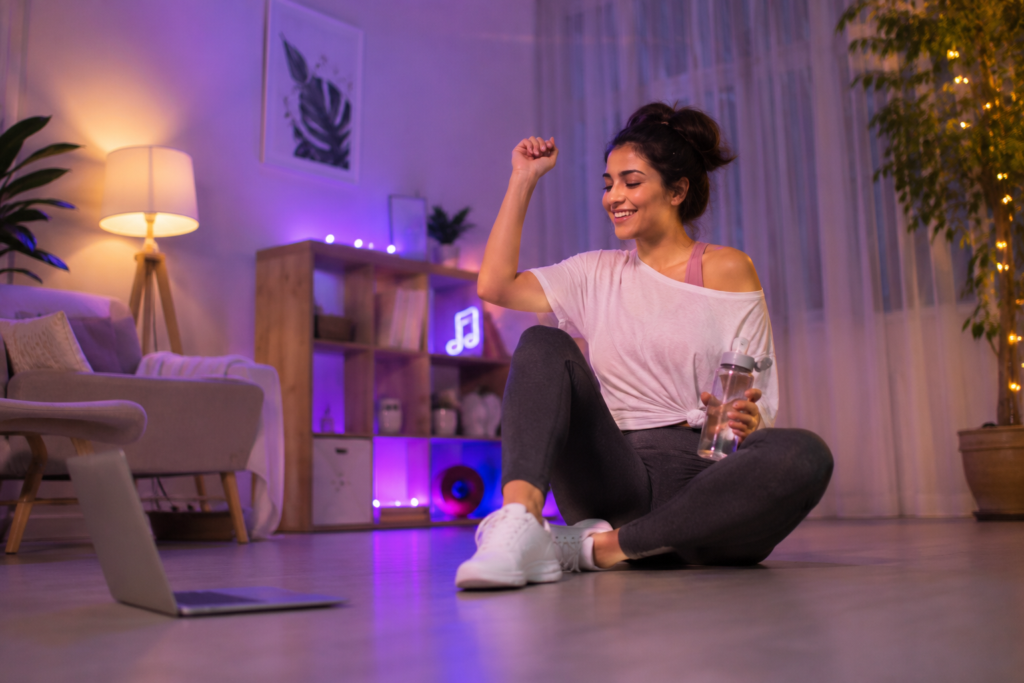
A dance fitness workout can support both physical activity and emotional well-being. It gives beginners a way to move more while making exercise feel less like a chore.
Physical Benefits of a Dance Fitness Workout
Dance-based fitness can help improve stamina, balance, flexibility, coordination, and general activity levels. Because it uses different parts of the body, it can feel more complete than doing one repeated movement.
Arm movements, footwork, turns, and rhythm changes all help the body practice control and coordination. Over time, daily movement may feel easier.
Mood and Confidence Benefits of Dancing
Music can make exercise feel more uplifting. Moving to a song you enjoy may increase motivation and help you feel more energized.
Dance can also build confidence. As you learn steps and repeat routines, your body starts to feel more capable. That confidence can make it easier to stay consistent with fitness.
Common Beginner Mistakes to Avoid
Starting gently is the best way to make dance fitness sustainable. Most mistakes happen when beginners try to do too much too quickly.
Doing Too Much Too Soon
High-energy routines can be exciting, but they may not be the best first step. Beginners should avoid jumping into long, intense sessions right away.
Start with shorter workouts, slower music, and low-impact steps. Increase time and intensity only when your body feels ready.
Focusing on Perfect Moves Instead of Movement
A dance routine is not about perfect choreography. It is about moving, enjoying music, and staying active.
If you miss a step, keep going. If a move feels uncomfortable, modify it. If the rhythm feels too fast, slow down. Progress comes from consistency, not perfection.
Final Thoughts on Starting a Dance Workout
A dance workout can be one of the easiest and most enjoyable ways for beginners to stay active at home. By starting with simple steps, choosing beginner-friendly routines, and moving at a comfortable pace, anyone can build confidence and make fitness feel more natural.
Whether your goal is better energy, improved coordination, more daily movement, or a routine that feels fun instead of forced, dance fitness can turn exercise into a habit you actually look forward to.
FAQ
Is a dance workout good for beginners?
Yes, a dance workout can be very suitable for beginners because it can be adjusted to different fitness levels. You do not need dance experience to start. Simple steps, short sessions, and low-impact movements can help beginners build confidence while improving activity levels gradually and safely.
Can I do a dance workout at home without equipment?
Yes, a dance workout at home usually does not require equipment. You mainly need enough space to move safely, comfortable clothing, supportive footwear, and music or a guided routine. Beginners can start with basic steps and gradually add more movement as they feel more comfortable.
How long should a beginner dance workout be?
A beginner dance workout can start with 10 to 15 minutes. This is enough to build a habit without feeling overwhelming. As stamina improves, sessions can gradually increase to 20 or 30 minutes. The goal is to stay consistent, not to do too much too soon.
Is a dance fitness workout good for mood?
Yes, a dance fitness workout can support mood because it combines music, movement, and self-expression. Many people find dancing more enjoyable than traditional exercise. It can help increase energy, reduce stress, and make fitness feel more positive and motivating.
How many times per week should I do dance workouts?
Beginners can start with two or three dance workouts per week. This allows the body to adapt while keeping the routine manageable. Over time, people can increase frequency depending on their energy level, schedule, and fitness goals. Rest days are also important for recovery.