
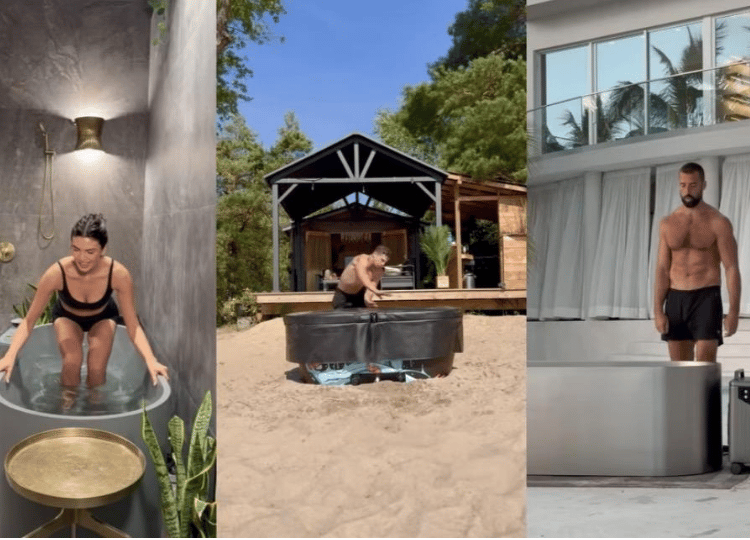
Facilities adding contrast therapy as an amenity have four real equipment configurations to choose from: traditional sauna paired with a cold shower, infrared sauna paired with a cold plunge, dedicated dual-purpose hydrotherapy units, or dual-orientation integrated contrast systems that combine independently controlled hot and cold sides into one footprint. Each configuration has a different footprint, install cost, sanitation profile, and member experience. None is universally best.
Member demand for contrast therapy has moved past trend status. Recovery-forward gyms, boutique wellness studios, hotels, and corporate wellness facilities are now expected to offer some version of it. The harder question for operators is not whether to add contrast, but which equipment configuration fits the facility, the member volume, and the operating budget.
This is a practical comparison of the four options, written for operators evaluating where to commit capital.
Why Facilities Are Adding Contrast Therapy as a Standalone Amenity
Three forces are driving the shift: maturing research from sources like the Cleveland Clinic and Mayo Clinic on circulation, recovery, and autonomic regulation; recovery-only studios proving members will pay a premium for structured contrast experiences; and a wider equipment market that has moved the category from commercial-spa-only into ranges that work for boutique studios and smaller gym footprints. The result for operators is the same conversation that played out around cold plunge five years ago. The amenity drives membership conversion, justifies a higher tier, and shows up in member reviews. The difference is that contrast therapy carries higher install complexity than cold plunge alone, which is why the equipment choice matters more.
The Four Equipment Configurations Operators Choose Between
Each of the four configurations below is in active use at facilities of different sizes and price points. The right answer depends on footprint, capital budget, member volume, and how programmed the contrast experience needs to be.
Option 1: Traditional Sauna Paired With a Cold Shower
A dry sauna alongside a dedicated cold-water shower station, with members moving between the two manually.
Strengths: lowest equipment cost of the four options. Saunas are mature technology with long lifespans, cold showers are mechanically simple and low-maintenance, and there is no water vessel chemistry to manage on either side. The setup works in buildings that cannot accommodate an immersion vessel.
Tradeoffs: cold-shower exposure does not deliver the same physiological response as full-body cold water immersion. The vasoconstriction effect is partial, exposure times are shorter, and the contrast benefit is real but milder than vessel-based configurations.
Best fit: facilities with limited capital budget, member bases new to contrast therapy, or buildings where a water immersion vessel is not feasible.
Option 2: Infrared Sauna Paired With a Cold Plunge
An infrared sauna paired with a dedicated cold plunge vessel (typically 50°F or lower), with members moving between the two in a contrast circuit.
Strengths: infrared saunas operate at lower ambient temperatures than traditional saunas (around 120°F to 140°F versus 160°F to 195°F), making the heat phase accessible for members with lower heat tolerance. The cold plunge delivers full-body water immersion, which produces a stronger vasoconstriction response than a cold shower. Infrared cabins have a smaller footprint and lower electrical demand than traditional sauna enclosures.
Tradeoffs: two-piece equipment build-out. The cold plunge requires its own chiller, filtration, and water management routine. Infrared cabins need bulb or panel replacement on a regular schedule. Some traditionalist members may find the infrared experience underwhelming compared to a conventional sauna.
Best fit: boutique recovery studios, wellness-forward gyms, and hotels prioritising broad accessibility over traditional sauna culture.
Option 3: Dedicated Dual-Purpose Hydrotherapy Units
A category of commercial-grade equipment built for therapeutic settings (rehab clinics, sports medicine facilities) that pairs a hot and cold vessel into a single integrated piece of equipment. Often used in athletic training rooms.
Strengths: clinical-grade temperature precision and recovery times. Designed for high throughput and easy staff operation. Strong data tracking features on premium models.
Tradeoffs: cost. Therapeutic-grade hydrotherapy systems are typically priced for institutional buyers, which puts them out of range for most boutique operators. Aesthetics often skew clinical rather than premium-consumer, which can be a fit problem in a hospitality or boutique gym setting.
Best fit: athletic training facilities, professional team practice centres, university programs, and physical therapy clinics where the clinical aesthetic matches the room.
Option 4: Dual-Orientation Integrated Contrast Systems
A newer category of commercial equipment built specifically for contrast therapy. Two independent vessels (typically one vertical barrel and one horizontal tub) integrated into a single unit, each with its own dedicated chiller. One side runs cold while the other runs hot at the same time, with each side independently programmable across the full temperature range, often 32°F to 107°F. Introduced commercially in 2026, the category sits between two-room setups and traditional single-vessel chillers: simultaneous hot and cold use, but in a single-equipment install footprint, with full-body water immersion on both sides rather than mixing air-based heat with water-based cold.
Strengths: simultaneous hot and cold use without two separate room installations. Peak-hour throughput holds up because members can use both sides in parallel. Smaller combined footprint than two separate sauna-and-plunge installations. One delivery, one install team, one manufacturer relationship. Water-immersion heat on both sides delivers a stronger physiological response than air-based sauna heat. The vertical-plus-horizontal orientation pairing gives members a choice of immersion style for each phase.
Tradeoffs: this is a newer product category with fewer manufacturers in the space, so lead times and reference installs are more limited than the more established options. Equipment built specifically for contrast therapy in this dual-orientation format is a small but growing segment of the commercial contrast market.
Best fit: boutique recovery studios, smaller gym footprints, hotels with limited spa square footage, and operators who want simultaneous-use throughput and water-immersion contrast on both sides without the install footprint of two separate rooms.
Footprint and Install Considerations for Each Setup
Square footage is usually the first constraint operators run into. A working estimate, vessel only, with manufacturer variance:
- Sauna + Cold Shower: 60 to 120 square feet combined, depending on sauna size. Cold shower stations have minimal footprint.
- Infrared Sauna + Cold Plunge: 60 to 130 square feet combined, plus mechanical room space for the plunge chiller.
- Dual-Purpose Hydrotherapy Unit: 40 to 80 square feet, integrated.
- Dual-Orientation Integrated System: 50 to 90 square feet for the combined unit, with both hot and cold sides included in that footprint.
Add 10 to 20 square feet of clearance around any water vessel for entry, exit, and service access. Underestimating this clearance is a common retrofit mistake.
Electrical, plumbing, and drainage requirements scale with the configuration. Option 1 (sauna plus cold shower) is the simplest infrastructure load: one sauna circuit and a standard shower water line. Option 2 (infrared sauna plus cold plunge) adds a dedicated chiller circuit, a water supply line for the plunge, and floor drainage capable of handling drain-and-refill cycles. Dual-orientation integrated systems run two independent chillers (one per side) but consolidate the delivery, install, and ongoing service into one piece of equipment, which simplifies the operator side without sacrificing simultaneous hot and cold use.
Sanitation and Maintenance at Commercial Volume
Water management is where most commercial contrast setups either succeed or fail operationally, and the CDC publishes guidance on aquatic facility water quality that translates directly to commercial plunge operations. The maintenance load varies by configuration. Sauna-plus-cold-shower setups carry the lightest load since there is no immersion vessel chemistry on either side. Configurations with a cold plunge add a full water management routine. Dual-orientation integrated systems run two independent water systems but consolidate the equipment to inspect and service. Across all four options, staff training and documented SOPs determine whether the amenity stays clean enough for members to trust it.
Throughput, Member Experience, and Staffing
Drop-in access during peak hours rewards configurations that allow parallel use. Members can enter the hot side while another member is in the cold side, which doubles effective capacity. Two-room setups (Options 1 and 2) deliver this, and dual-orientation integrated systems (Option 4) deliver it inside a smaller footprint because the two sides run independently within the same unit. Programmed contrast sessions where members book a 20 to 30 minute slot work cleanly on any of the four configurations.
Member experience preferences vary by facility type. Hotel spa guests often expect the traditional sauna-and-cold-pool ritual. Boutique recovery studio members tend to be more receptive to integrated equipment because the brand and programming carry the perceived value. Athletic training environments often prioritise the dual-purpose hydrotherapy unit because the clinical precision matters to the user.
What Facilities Should Evaluate Before Committing to a Configuration
A useful decision framework for operators, in order of weight:
Available footprint. This is the hardest constraint. If the facility cannot allocate 100+ square feet to a contrast setup, Option 2 (infrared sauna plus cold plunge) becomes tight on space. Dual-orientation integrated systems or dual-purpose hydrotherapy units become the more realistic paths in those cases. Option 1 (sauna plus cold shower) can sometimes still fit if the sauna footprint is small.
Member volume and use pattern. High-volume drop-in facilities benefit from configurations that support parallel hot and cold use. Two-room setups deliver this, and dual-orientation integrated systems deliver it inside a smaller footprint. Lower-volume programmed facilities can use any of the four configurations, with the choice driven by other variables.
Capital and operational budget. Option 1 (sauna plus cold shower) carries the lowest combined install and operational cost since there is no immersion vessel chemistry to manage. Option 2 (infrared sauna plus cold plunge) adds the cost and complexity of a full plunge water management routine. Dual-orientation integrated systems consolidate the install and equipment relationship into one but still require both hot and cold maintenance routines. Therapeutic-grade hydrotherapy units carry the highest equipment cost but lowest operational complexity once installed.
The Bottom Line
There is no universally best contrast therapy configuration for commercial facilities. The right answer depends on footprint, member volume, programming intent, capital budget, and brand aesthetic. Operators who match the equipment to the actual operating reality of the facility get an amenity that drives conversion and retention. Operators who pick the most expensive option, or the option that looks best in a brochure, often end up with equipment that does not match how members actually use the space.
Before signing a purchase order, walk the install path end to end with the manufacturer. Talk to two facilities running the same configuration for at least eighteen months. Ask them what they would do differently. The answer is rarely about the equipment itself. It is almost always about the operational reality the equipment created.