

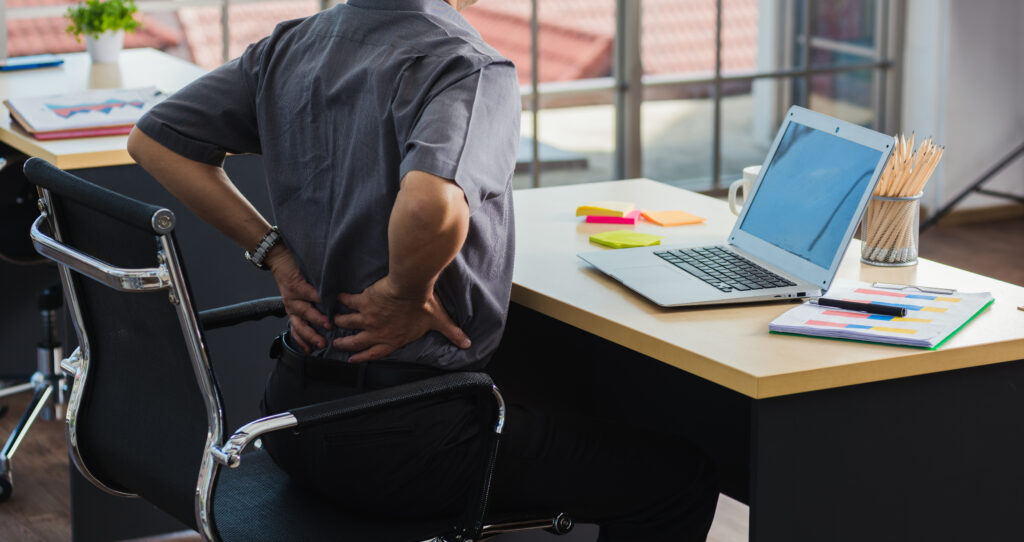
Lower back and tailbone pain don’t usually show up all at once. They build gradually through daily habits, especially sitting on chairs that offer little to no real support. Hours spent at a desk, in a car, or on a couch can place constant pressure on the lower spine and tailbone, causing muscles to tense and posture to collapse without you realizing it. Over time, what starts as mild discomfort can turn into persistent pain that affects focus, energy, and even simple movements like standing up or walking.
Ergonomic back support seating solutions are meant to reduce that ongoing strain by providing natural support to the spine. When the lower back and tailbone are properly supported, pressure is more evenly distributed, and the body doesn’t have to work as hard just to stay upright.
But before choosing any specific solution, it helps to understand why sitting causes these issues in the first place and how targeted seating support can make a real difference.
Why Does Sitting Hurt the Lower Back and Tailbone?
Sitting increases spinal load more than standing, especially when posture slips. Without proper back supports, the pelvis tilts backward and flattens the natural curve of the lower spine. That shift places extra strain on muscles and ligaments while forcing the tailbone to absorb more pressure than it should.
Long periods of sitting also limit movement and circulation. Muscles around the hips and lower back tighten, while core muscles disengage. The result is poor body alignment and growing discomfort in the lumbar region. Hard seat surfaces, shallow chair backs, and a lack of contouring make the problem worse by concentrating pressure directly on the tailbone.
Seating Solutions to Reduce Lower Back and Tailbone Pain
Ergonomic seating solutions focus on supporting how your body naturally sits. Instead of forcing posture, they guide the spine into a healthier position and reduce pressure points. Here are some of the most effective options that address both the lower back and tailbone pain together.
Lumbar Support Cushions That Maintain Natural Spinal Curves
A well-designed lumbar support pillow fills the natural inward curve of the lower back and helps maintain proper spinal alignment. When that curve is supported, muscles don’t have to work as hard to keep you upright. This reduces fatigue and promotes consistent posture.
Structured lumbar cushions such as Spinetec back support cushion are perfect options because they sit directly against the chair back and support the lumbar region without feeling bulky. When positioned correctly, lumbar pad inserts help distribute weight more evenly and reduce strain during long periods of sitting.
Contoured Seat Cushions That Relieve Tailbone Pressure
Tailbone pain often comes from direct, unrelieved pressure. Contoured seat cushions help by shifting weight away from the tailbone and toward the thighs and hips. They typically feature a slight slope or cut-out at the back, which reduces compression on sensitive areas.
Memory foam is commonly used for this purpose because it adapts to your shape while maintaining support. High-density foam prevents excessive sinking, which keeps the pelvis stable and supports better posture. Over time, improved pressure distribution can reduce irritation and help with back pain relief.
Combined Back and Seat Support Systems
Some seating solutions support both the lower back and the seat at the same time, which helps reduce strain across the spine. When lumbar support and seat cushioning work together, the pelvis stays more stable, and the lower back feels less pressure during extended sitting. This type of support can make long work sessions feel more comfortable and easier on the body.
Many of these systems use gel-infused memory foam to maintain comfort while helping manage heat and pressure. Paired with simple habits like seated stretches, combined back and seat support systems help maintain comfort and flexibility throughout the day, especially during desk work or travel.
Adjustable Features That Improve Fit and Stability
Everyone sits a little differently, so fixed supports don’t always work the way they should. Adjustable straps help keep back supports securely attached to the chair, so they don’t slide down or shift as you move. When the support stays in the right position, your lower back gets consistent relief instead of uneven pressure throughout the day.
An adjustable pillow also makes it easier to line up the support with your lower back, regardless of chair height or body shape. For taller chairs or car seats, suspender straps can provide extra hold and stability. With everything staying in place, you’re not forced to keep readjusting or pressing buttons just to stay comfortable, and maintaining better posture feels more natural.
Breathable Materials for All-Day Comfort
Sitting for hours can get uncomfortable fast when heat starts to build up. Materials that allow airflow help prevent that sticky, overheated feeling that makes it hard to stay focused. Breathable mesh shells and ventilated lumbar pads allow air to move through the cushion, keeping your back cooler and reducing moisture that can worsen discomfort over time.
A breathable cover also helps keep the cushion fresher and more comfortable, especially during long workdays. When the cover is removable, cleaning becomes easier and more practical, which helps the support stay comfortable and hygienic with regular use.
Ergonomic Seating for Specialized Needs
Some people spend over 10.4 hours sitting, which is far more time seated than others, and that calls for a different level of support. Wheelchair seat back systems are designed with posture and pressure relief in mind, helping support spinal alignment while reducing stress on sensitive areas. These systems focus on steady, reliable support that holds up throughout the day rather than short-term comfort.
At home, seating that allows the body to recline while still supporting the lower back can help reduce spinal compression during rest. Even in relaxed positions, proper lumbar support helps the spine stay in a healthier position instead of sinking into strain.
Extended-Sitting Support Cushions
Some ergonomic seating solutions are designed specifically for people who sit for long hours without frequent breaks. These cushions focus on reducing fatigue by supporting the lower back and pelvis in a steady, neutral position. By limiting muscle overuse, they help prevent posture from breaking down as the day goes on.
Extended-sitting cushions also improve pressure distribution across the seat, which reduces the urge to constantly shift or fidget. When pressure stays balanced, the lower back and tailbone experience less strain during prolonged sitting.
The most effective seating solutions focus on both posture and pressure relief. When the lower back is supported and the tailbone isn’t bearing unnecessary weight, sitting becomes more comfortable and far less draining over time.
Takeaway
Lower back and tailbone pain often comes from seating that fails to support the body properly. Ergonomic back support seating solutions help reduce strain by improving spinal alignment, easing pressure, and supporting healthier posture. With the right combination of materials, contouring, and adjustability, sitting becomes more comfortable and less damaging over time. Choosing supportive seating can make daily activities easier while protecting long-term back health.