
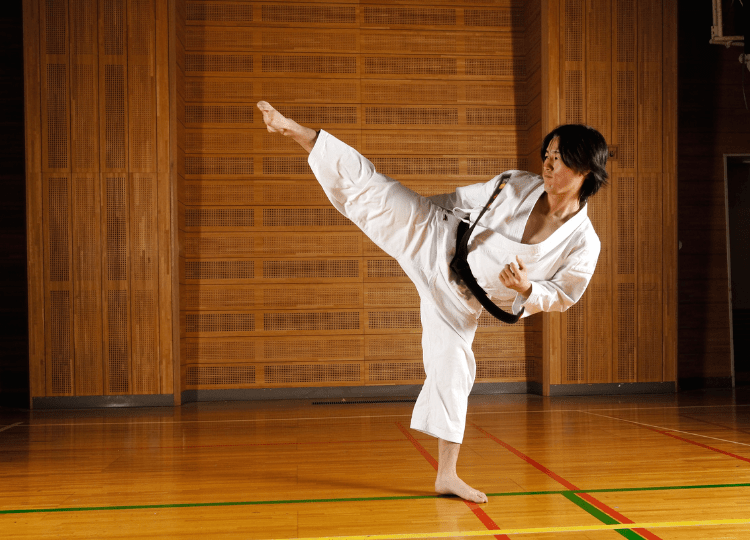
Martial arts have long helped people get stronger, more agile, and more confident. When you mix moves from boxing, kickboxing, jiu-jitsu, and other forms into workouts, you get routines that hit your body in ways regular gym circuits often don’t. What makes these workouts so effective is that they challenge your heart and keep your brain focused and fluid.
This article breaks down how martial arts-inspired workouts help heart health, mental focus, and overall well-being. For each section, you’ll get simple info first and then ideas you can use right away.
Cardio Strength That Keeps You Going
Martial arts moves ask a lot from your heart. Punches, kicks, jumps, and fast footwork keep your heart rate up. This isn’t just about burning calories. It builds heart function so your body uses oxygen better and recovers faster after hard effort.
For martial arts gear that lasts and feels good, check out Kingz. They make high-quality uniforms and training apparel for all ages and levels, built to withstand daily training and competition. An excellent choice for your next class is the BJJ gi from Kingz, designed to fit well and withstand real-world wear and tear.
These drills keep your blood pumping and train your heart like a true athlete.
- Jump rope bursts for 3 to 5 minutes with short rests in between
- Shadow boxing rounds of 2 to 3 minutes with mix of punches and footwork
- High knees or butt kicks for 1 minute after every round to keep heart rate up
- Burpee circuits that add fast, full-body moves to your session
Strength and Conditioning From Real Fight Moves
Martial arts workouts don’t just hit cardio. They build strength through movement. Unlike weight machines that isolate one muscle at a time, martial arts moves involve your whole body. That means your core, legs, back, and arms work together.
- Bodyweight squats combined with alternating kicks
- Push-ups that move into mountain climbers without stopping
- Lunges with quick step-in punches
- Partner drills where you hold light resistance bands and work on push-pull patterns
These patterns help you feel stronger in everyday tasks, not just in the gym.
Better Balance and Coordination
Good balance isn’t just about standing still. Martial arts drills require you to shift your weight, change angles, and maintain stability in motion. That helps your body react faster and more smoothly.
- Slow controlled leg raises while maintaining posture
- Standing on one foot while reaching forward or to the side
- Quick direction changes over cones or tape markers
- Practicing kicks with slow, mindful motion before adding speed
Working balance this way trains both legs and the brain to stay connected.
Sharper Focus and Mental Control
Martial arts requires attention. You have to watch your partner or the bag, time your moves, and adjust instantly. That level of focus carries into daily life. You learn not to rush, plan your steps, and stay calm even when you’re tired.
- One-minute meditation before workouts to clear distractions
- Counting reps with mindful breath control
- Visual tracking drills where you follow a target with your eyes before moving
- Slow-motion practice to build body awareness
These habits help you stay present during and outside training.
Stress Relief Moves That Feel Good
There’s something powerful about hitting pads or doing solid kicks. It relieves tension and provides an outlet for stress that doesn’t linger in your body. Martial arts workouts give structure to that release, so you feel better physically and mentally.
- Pad rounds with a partner or trainer, 2 minutes on, 30 seconds rest
- Heavy bag work where you focus on form and power
- Fast kicking combos for short intervals
- Breathing blocks after hard sets to bring your heart rate down
These drills help clear your head while working your muscles.
Flexibility and Joint Health You Can Use
Martial arts training often moves your body through ranges you might not touch in a normal workout. That lengthens muscles, opens hips, and improves joint motion. Better flexibility lowers injury risk and helps everyday movement feel easier.
- Dynamic leg swings before training
- Hip openers like gentle lunges with reach
- Shoulder mobility drills using a band
- Active stretches held for 30 seconds after training
Use these to stay limber and reduce stiffness.
Training Your Reflexes Like an Athlete
Martial arts-inspired workouts build reflexes by forcing you to respond quickly to moving targets or shifting cues. Faster reflexes help in sports, daily tasks, and even when you trip or slip.
- Partner reaction drills with random signals
- Ball toss drills where you catch and pivot quickly
- Light sparring rounds with focus on reaction, not power
- Using a small reaction ball to improve hand-eye timing
Training fast responses makes your nervous system more efficient.
Full Body Calorie Burn That Hits All Angles
When your workout hits many muscle groups at once, your body has to work harder to keep up. That means you burn more calories in less time. Martial arts circuits mix strength, speed, coordination, and power, turning your body into a calorie-burning machine.
- Circuit of push-ups, squats, and kicks with little rest
- Tabata rounds (20 seconds on, 10 seconds off) with mixed moves
- Fast footwork ladder drills
- Bursts of sprint-in-place after every technique set
This keeps your body guessing and your energy demand high.
Ways to Start If You’re New
If you’ve never trained in martial arts style workouts, start simple. You don’t need expensive gear or years of skill. Begin with low-impact drills and build up as you feel ready.
- Try basic shadow boxing for short rounds
- Add light kicks and footwork to your warmups
- Join beginner classes at local gyms or studios
- Work with a coach or trainer who knows martial arts moves
Starting slow helps you gain confidence and avoid injury.
Mixing Martial Arts Workouts With Other Training
These workouts don’t have to stand alone. You can incorporate them into weightlifting, yoga, or running. The variety helps your body adapt and stay engaged.
- Add martial arts circuits after strength days
- Do flexibility drills on recovery days
- Use short cardio bursts before or after runs
- Blend shadow boxing with agility ladder workouts
Mixing keeps everything fresh and fun.
Rest and Recovery
Training hard requires time for your body to recover. Martial arts-style workouts are demanding, so balance is key.
- Take full rest days each week
- Use foam rolling to ease muscle tension
- Sleep enough to help repair tissue
- Hydrate well before and after sessions
Good recovery enables you to train longer and stay healthy.
Real Benefits You’ll Feel
After weeks of training, many people find real changes. They breathe easier during exercise, think clearly under stress, and feel stronger every day. Workouts inspired by martial arts push both body and mind in ways that stay with you.
- Lower resting heart rate
- Better posture and body control
- Increased confidence in movement
- Sharper focus during tasks
These changes show up beyond the gym.
Final Thoughts
Martial arts-inspired workouts are more than trends. They give you solid heart health, real strength gains, sharper focus, and a stronger sense of being capable. Whether you’re kicking a bag, moving through combos, or refining balance drills, your body and mind get better together. Try mixing these ideas into your routine and see how your training and life respond.