
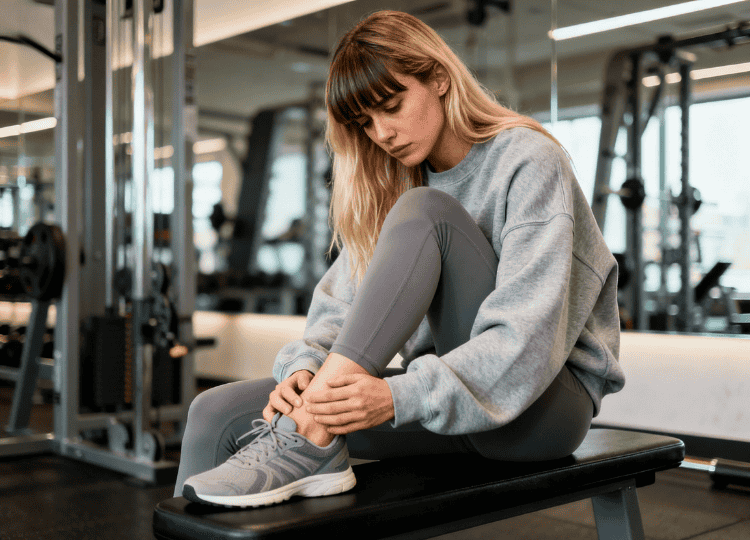
Chronic pain in athletes represents a persistent challenge that extends beyond typical post-training soreness. It is defined as pain that persists beyond normal tissue healing time, typically over 12 weeks, often resulting from cumulative microtrauma, incomplete recovery, or biomechanical imbalances.
In elite and amateur sports, managing such pain is critical not only for maintaining peak performance but also for ensuring long-term musculoskeletal health.
Unlike acute injuries, chronic pain involves complex interactions between the nervous system, immune response, and psychological stress factors. Effective sports pain management requires an integrative, multidisciplinary approach that combines biomedical, biomechanical, and psychological perspectives to restore optimal function.
Mechanisms Behind Chronic Pain in Athletes
The biological basis of chronic pain happens when the nervous system becomes overly sensitive, making the body continue to feel pain even after an injury has healed. Chemicals in the body, such as cytokines and prostaglandins, also contribute by keeping pain signals active and promoting inflammation.
For instance, repetitive loading in running or weightlifting can lead to conditions such as tendinopathies or degenerative joint disease. Over time, the brain adapts to perceive pain even in the absence of new tissue damage. This is why modern pain management strategies focus not only on treating symptoms but also on modulating the nervous system’s response.
Research emphasizes that combining mechanical correction, anti-inflammatory treatment, and neuro-modulatory therapies yields better outcomes for athlete pain relief than isolated interventions.
Sports Pain Management Techniques
Physical Rehabilitation and Manual Therapy
A cornerstone of sports pain management involves structured rehabilitation guided by sports physiotherapists. Evidence supports the use of eccentric exercises for tendon healing, proprioceptive training for joint stability, and myofascial release to reduce muscular tension.
Integrating rehabilitation tips for regaining shoulder function, such as controlled rotator cuff strengthening and scapular stabilization exercises, can significantly shorten recovery times in overhead athletes. Manual therapy techniques like joint mobilization and trigger-point therapy enhance circulation and reduce neural tension, contributing to faster restoration of movement efficiency.
Regenerative Medicine and PRP Injections
Advances in regenerative medicine for athletes have transformed how sports injuries are managed. PRP injections (Platelet-Rich Plasma) use the athlete’s own blood to concentrate growth factors like PDGF and TGF-β, which accelerate tissue repair. PRP injections show promising results in managing chronic tendon injuries and early-stage osteoarthritis, particularly when combined with structured rehabilitation.
As interest in these treatments grows, athletes often research regional availability, such as PRP in Miami, when exploring evidence-based regenerative options.
Other regenerative approaches include stem cell therapy and prolotherapy, which aim to restore structural integrity and modulate inflammation. These techniques complement conventional pain management strategies by targeting the biological source of pain, not just masking symptoms.
Combining regenerative medicine for athletes with physiotherapy and neuromuscular retraining provides a synergistic pathway for long-term recovery and athlete pain relief.
Pharmacological and Nutritional Interventions
While NSAIDs and muscle relaxants can provide short-term relief, long-term use may hinder recovery due to gastrointestinal or renal side effects. Therefore, a guided pharmacological plan under sports medicine supervision is crucial.
Nutritionally, maintaining adequate electrolytes for athletic performance supports neuromuscular efficiency and reduces cramping, which can exacerbate pain conditions. Anti-inflammatory diets rich in omega-3 fatty acids, curcumin, and antioxidants further assist in modulating chronic inflammation.
Vitamin D and magnesium have also been shown to play roles in muscle recovery and pain perception, underlining the importance of a nutrition-focused sports pain management framework.
Mind-Body Integration and Holistic Pain Management
Neuroscientific evidence shows that cognitive and emotional states significantly influence pain perception. Techniques such as mindfulness meditation, cognitive behavioral therapy (CBT), and breathing control have measurable effects on reducing chronic pain sensitivity.
This type of holistic pain management approach addresses both physiological and psychological components of recovery, helping athletes maintain mental resilience and emotional balance throughout rehabilitation. Further, athletes who regularly practice mindfulness are associated with better adherence to rehabilitation protocols and reduced recurrence of pain-related anxiety.
Technology-Assisted Therapies
Emerging innovations in sports pain management include wearable pain sensors that track muscle activity and identify biomechanical asymmetries in real time. Cryotherapy chambers and infrared light therapy are also gaining traction as adjunctive recovery methods that reduce inflammation and promote tissue healing.
Transcutaneous electrical nerve stimulation (TENS) and low-level laser therapy have shown positive results in managing neuropathic and musculoskeletal pain, with potential applications in high-performance athletes.
Preventive and Maintenance Strategies
Preventing chronic pain begins with proactive monitoring and intelligent training design. Regular biomechanical assessments can identify early signs of asymmetry or overuse. Athletes should incorporate rest periods, adequate sleep, and hydration as part of their overall pain management strategies.
Cross-training, progressive overload management, and consistent warm-up and cool-down routines minimize repetitive stress on joints and connective tissues. A well-structured approach to recovery ensures athletes can sustain high performance without long-term damage.
Frequently Asked Questions (FAQs)
Are PRP Injections Safe for All Athletes?
Yes, PRP injections are generally safe because they use autologous blood, eliminating the risk of allergic reaction or disease transmission. However, effectiveness varies based on the injury site, chronicity, and the concentration of platelets. Outcomes can also differ depending on platelet concentration and activation methods, which are not yet standardized. A sports medicine specialist should determine suitability.
How Does Regenerative Medicine for Athletes Differ from Conventional Therapy?
Regenerative medicine for athletes targets biological regeneration rather than symptom suppression. It focuses on stimulating the body’s intrinsic healing mechanisms, often used in conjunction with physical therapy for superior recovery outcomes.
Can Mental Health Impact Chronic Pain Levels?
Absolutely. Stress, anxiety, and poor sleep can heighten central sensitization, amplifying pain signals. Integrating psychological support within sports pain management plans is essential for complete recovery.
Optimizing Longevity and Performance: The Scientific Edge
Long-term athletic success depends on balancing physical resilience with intelligent recovery. Modern sports pain management integrates biomechanics, neuroscience, and regenerative medicine for athletes to treat and prevent chronic pain at its root cause.
By leveraging PRP injections, nutritional optimization, and holistic pain management approaches, athletes can extend their careers while preserving their quality of life. Emphasizing preventive care, consistent monitoring, and evidence-based interventions is the most sustainable path toward enduring athlete pain relief.
References
Hainline, B., Derman, W., Vernec, A., Budgett, R., Deie, M., Dvořák, J., Harle, C., Herring, S. A., McNamee, M., Meeuwisse, W., Moseley, G. L., Omololu, B., Orchard, J., Pipe, A., Pluim, B. M., Ræder, J., Siebert, C., Stewart, M., Stuart, M., . . . Engebretsen, L. (2017). International Olympic Committee consensus statement on pain management in elite athletes. British Journal of Sports Medicine, 51(17), 1245–1258. https://doi.org/10.1136/bjsports-2017-097884
Ye, Z., Yuan, Y., Kuang, G., Qiu, L., Tan, X., Wen, Z., & Lu, M. (2025). Platelet-rich plasma and corticosteroid injection for tendinopathy: a systematic review and meta-analysis. BMC Musculoskeletal Disorders, 26, Article 339. https://doi.org/10.1186/s12891-025-08566-3
Richardson, D. L., Duncan, M. J., Jimenez, A., Juris, P. M., & Clarke, N. D. (2020). Affective responses to supervised 10-week programs of resistance exercise in older adults. Journal of Sport and Health Science, 9(6), 604–613. https://doi.org/10.1016/j.jshs.2019.01.006
Johnson, M. I., Paley, C. A., Jones, G., Mulvey, M. R., & Wittkopf, P. G. (2022). Efficacy and safety of transcutaneous electrical nerve stimulation (TENS) for acute and chronic pain in adults: a systematic review and meta-analysis of 381 studies (the meta-TENS study). BMJ Open, 12(2), e051073. https://doi.org/10.1136/bmjopen-2021-051073