
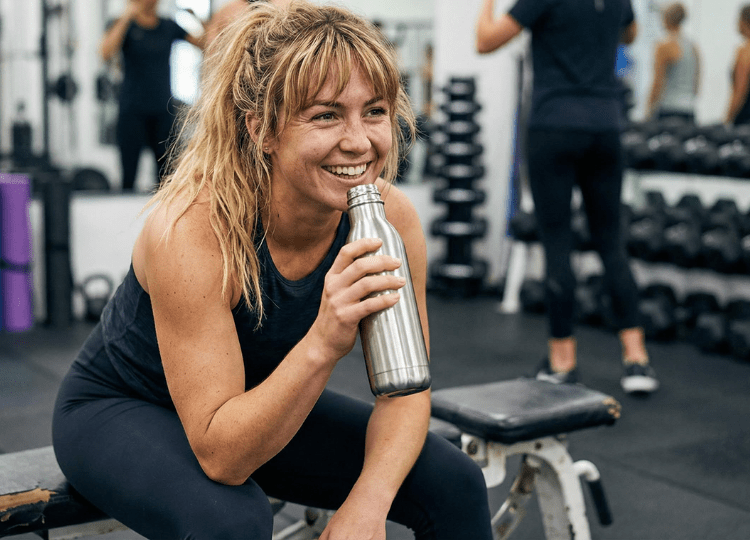
You smashed your last set, racked the bar, and basked in that end-of-workout glow. Nice work. But what happens in the next 30 minutes often determines whether you bounce back fresh tomorrow or spend the week battling breakouts, chafing, or stubborn saddle sores.
Smart post-workout hygiene is more than vanity. It is how active people protect the skin barrier, stay comfortable, and keep training sessions on schedule.
1. Rinse Off (and Treat Skin Gently) Within 30 Minutes
Sweat isn’t just salty water; it combines with sebum, dead skin cells, and bacteria on the skin’s surface. If left to dry, this mix can clog pores, disrupt the skin’s natural pH, and cause exercise-induced dermatitis. Rinsing off soon after your workout helps restore the skin’s protective acid mantle quickly.
For the best results, use a lukewarm shower with a fragrance-free, pH-balanced cleanser to avoid stripping essential oils. After gently patting your skin dry with a clean towel, lock in moisture with a lightweight cream.
Because friction and dryness can worsen skin irritation, especially in sensitive areas, many athletes look for additional gentle hygiene options. For instance, Premier Bidets’ highly-rated premium bidet toilet seats offer a soothing, water-based cleansing option that complements your post-workout routine by reducing friction and supporting skin recovery in delicate areas.
| Key Insight: The 30-minute window post-workout is crucial. Rinsing off quickly prevents the mix of sweat, oil, and bacteria from clogging pores and disrupting your skin’s protective barrier, preventing conditions like exercise-induced dermatitis. |
2. Swap & Wash Your Gear
Sweaty, damp workout clothes create an ideal environment for fungi and bacteria to thrive, especially on synthetic fabrics that can harbor pathogens for days. These microbes often cause skin issues such as ringworm, jock itch, athlete’s foot, and stubborn odors that regular detergents may struggle to fully eliminate.
To protect your skin and keep training gear fresh, always change out of sweaty clothes promptly after exercise. Store them in a breathable mesh bag, not a sealed plastic one, to allow airflow and reduce moisture buildup. Alternatively, if you can’t wash immediately, hang damp items to air-dry rather than leaving them wadded up, which accelerates bacterial growth.
Wash your gear in warm water using a detergent specifically formulated for sportswear, which targets sweat and bacteria without damaging performance fabrics.
For an extra hygienic boost, add half a cup of white vinegar during the rinse cycle once a month. Vinegar acts as a natural disinfectant and helps break down residue that can trap odors. Avoid using fabric softeners on athletic wear, as they coat fibers and reduce moisture-wicking capabilities while trapping bacteria.
Remember to regularly wash all training accessories like towels, headbands, and yoga mats, as these surfaces can harbor germs and irritants that affect skin health.
| Warning/Important: Don’t let sweaty gear sit. Damp, synthetic fabrics are a breeding ground for fungi and bacteria that can cause ringworm and jock itch, and they can survive for extended periods in your gym bag. |
3. Upgrade Bathroom Hygiene with Water Cleansing
During workouts, skin pressed tightly against cycling shorts or rubbed by gym equipment often becomes sensitive and prone to irritation. Using dry toilet paper afterward can cause tiny abrasions, increasing the risk of painful rashes and inflammation.
Switching to warm water cleansing provides a soothing, friction-free way to refresh the skin after sweating. This practice, popular among bidet users, effectively removes sweat salts, bacteria, and residue without irritating delicate areas. Studies highlight that gentle water cleansing promotes better hygiene and skin comfort, while also aiding in reducing bacterial buildup that can trigger skin issues like folliculitis.
For athletes, the logic is clear, as warm water soothes inflamed skin and promotes blood flow. Research suggests that moderating water temperature is key, as using overly warm water has been correlated with anal itching in some users. This consistent, gentle cleansing helps significantly cut the risk of folliculitis in high-friction zones.
| Pro Tip: For athletes, warm-water cleansing is a game-changer. It soothes inflamed skin, promotes blood flow, and eliminates the micro-abrasions from toilet paper that can lead to painful rashes in high-friction areas like the saddle zone. |
Additional Small Tweaks That Compound Results
Beyond switching to water cleansing, several minor adjustments can magnify skin health and comfort during training.
First, consider wearing breathable, moisture-wicking fabrics that quickly move sweat away from the skin. Synthetic blends designed for activewear reduce prolonged moisture exposure, which can otherwise soften the skin and increase friction-related irritation or fungal growth.
Next, add regular gentle exfoliation to your hygiene routine to help prevent clogged pores and follicle inflammation. Use a mild chemical exfoliant such as salicylic acid or lactic acid once or twice a week to lift away dead skin cells without aggressive rubbing, which minimizes microabrasions and promotes smoother, healthier skin.
Lastly, post-workout showers should ideally be followed by thorough but gentle drying because residual moisture fosters bacterial proliferation in high-friction areas. Patting dry with a clean towel, rather than rubbing, and applying a light barrier ointment or moisturizer with soothing ingredients such as aloe vera or niacinamide can reinforce skin resilience.
Together, these small, evidence-based tweaks compound to create an optimized training hygiene regimen. Each change reduces irritation and inflammation, supporting skin clearance and recovery, which ultimately leads to enhanced comfort and better performance during workouts.
The Bottom Line
Consistently combining quick, effective showers, regular hygienic laundry practices, and gentle, friction-free bathroom cleansing forms a powerful trio for maintaining healthy, irritation-free skin.
Each habit addresses a different aspect of skin care during training, from sweat removal and fabric cleanliness to minimizing mechanical irritation, creating a holistic routine that supports the skin’s natural barrier and recovery.
By prioritizing these simple yet impactful habits, athletes can reduce common issues like folliculitis, chafing, and rashes, which often act as hidden hurdles in training performance. Beyond physical benefits, maintaining clear and comfortable skin boosts mental confidence, making it easier to stay motivated and push through demanding workouts.
Ultimately, investing in skin-friendly hygiene isn’t just about comfort; it’s a way to safeguard your ability to train consistently and enjoy every session with confidence and resilience.