
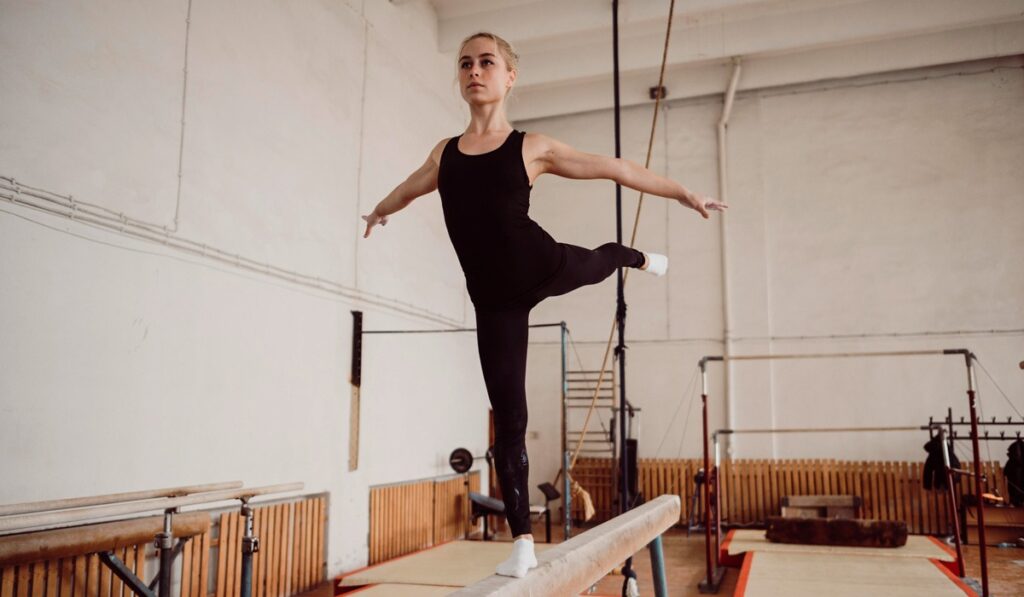
Photo from Freepik
In elite gymnastics competitions, outcomes are often decided by tenths of a point. When skill execution is nearly equal, seemingly small details can make a significant difference in overall scoring. This includes the gear worn on the podium or during countless hours of rigorous practice.
Gear choices can have a significant impact on an athlete’s physical awareness and execution. We will explore three research-backed factors that influence performance: fit, fabric, and design.
Understanding how each element contributes to performance can provide a competitive edge, and exploring options like Sports Gear Swag’s premium gymnastics uniforms can reveal features that support these principles.
Tip 1: Prioritize Precision Fit for Full Range of Motion
A proper fit directly impacts an athlete’s proprioception, or their sense of limb position in space. For gymnasts, this awareness is critical for executing clean lines and sticking landings. A study demonstrated that wearing compression garments can enhance proprioception, potentially leading to improved athletic performance.
Furthermore, research indicates that below-knee compression garments can enhance knee joint position sense, leading to improved proprioception in healthy adults. An improper fit that restricts movement or creates distractions undermines technique.
A garment that moves with the body supports muscle memory and sharpens execution.
Fit Checklist for Training & Competition
- 4-way stretch panels across shoulders and hips to allow for complete extension and rotation.
- Flatlock seams prevent chafing during long bar sequences or repetitive floor skills.
- Snug torso length that is long enough to prevent ride-up but never loose enough to wrinkle or bunch.
- Lightweight compression to support tissue without restricting critical blood flow.
Before meet day, perform a quick torso-length test by raising your arms overhead and hollowing your body. If the fabric bunches at the waist, the fit is not ideal. A precision fit ensures the garment moves with you, not against you.
| Key Insight: A precision fit isn’t just about comfort. It directly enhances body awareness (proprioception), leading to cleaner lines, tighter skills, and fewer deductions on landings, creating a tangible competitive advantage. |
Tip 2: Choose High-Performance Fabrics for Optimal Thermoregulation
Thermoregulation is crucial for maintaining peak performance in gymnastics. Effective temperature management affects grip security, neuromuscular endurance, and mental clarity.
According to one study, wearing a moisture-wicking fabric shirt resulted in significantly lower rectal temperatures during exercise in a hot environment compared to cotton.
For gymnasts, this means staying cooler and drier can help maintain focus and form under pressure. Overheating increases perceived exertion, which can lead to technical errors during a routine. The right fabric becomes a key tool for managing the body’s microclimate.
Key Fabric Features to Look For
- Recycled poly/Lycra blend for durability and rebound.
- Mesh under-arm vents to release heat without sacrificing structural support.
- Anti-odor technology to keep bacteria and odors at bay during long training sessions.
Gear that helps the body stay in its optimal performance zone provides a significant advantage. A fabric that keeps an athlete cool, dry, and focused is essential for consistent execution. These material choices directly contribute to an athlete’s endurance and comfort.
| Pro Tip: Look beyond the fabric blend. Features like mesh vents and anti-odor tech are crucial for maintaining focus during high-pressure sessions. These details often separate good gear from elite performance apparel. |
Tip 3: Leverage Thoughtful Design Features to Boost Confidence & Execution
The concept of enclothed cognition describes the psychological effect of clothing on the wearer. In sports, this phenomenon is well-documented and can be a powerful performance driver. When athletes perceive their apparel as performance-enhancing, their confidence and execution often improve.
Design Elements That Matter
- Grip zones: Silicone micro-dots along the hips and shoulders can improve bar catches without adding bulk.
- Secure closures: Minimalist back zippers with auto-lock pulls remove mid-routine distractions.
- Visual identity: Team colors and bold sublimated prints can elevate collective confidence and team unity.
When design elements work together to create a feeling of readiness, they allow an athlete to focus solely on their performance. This minimizes distractions and doubt during critical moments. The right gear helps build a powerful mindset that is ready for competition.
Athletes who feel prepared through their equipment often experience reduced pre-performance anxiety and increased mental clarity.
Design features that communicate quality and purpose reinforce the athlete’s belief in their own capabilities. When every detail of the apparel appears intentional and performance-focused, it sends a subconscious message that the athlete is equipped to succeed.
This psychological reinforcement translates into better concentration during crucial plays and more decisive action under pressure. The cumulative effect of thoughtful design choices creates an environment where the athlete can channel their energy entirely into execution rather than questioning their preparation.
Tip 4: Select Proper Support Systems for Injury Prevention and Durability
Support systems are fundamental to protecting joints and muscles during high-impact gymnastics movements. Strategic support gear reduces injury risk while extending the lifespan of your equipment, allowing you to train consistently and confidently.
According to research on athletic injuries, gymnasts who wear appropriate support structures experience fewer joint-related complications and maintain better form throughout their training cycles. Proper support absorbs impact forces, stabilizes vulnerable areas, and allows athletes to push their limits safely.
For gymnasts, investing in quality support gear means protecting wrists, ankles, and shoulders from repetitive strain. This protection keeps you training longer without interruption. The right support system becomes an essential tool for building durability into your athletic career.
Key Support Features to Look For
- Neoprene compression wraps for targeted joint stability and swelling reduction.
- Padded wrist guards distribute impact forces across a wider surface area and prevent strain injuries.
- Ankle bracing systems to maintain alignment during landings and tumbling sequences.
Gear that provides proper support allows your body to perform at its highest level while staying protected. Support structures that stabilize joints and absorb impact are essential for injury prevention. These material choices directly contribute to a gymnast’s longevity and confidence in training.
Your Next Steps
When fit enhances proprioception, fabric regulates your microclimate, and design fuels confidence, the result is a measurable gain in performance. These details can be the difference between making finals and reaching the podium. By paying closer attention to your gear, you give yourself another competitive edge.