
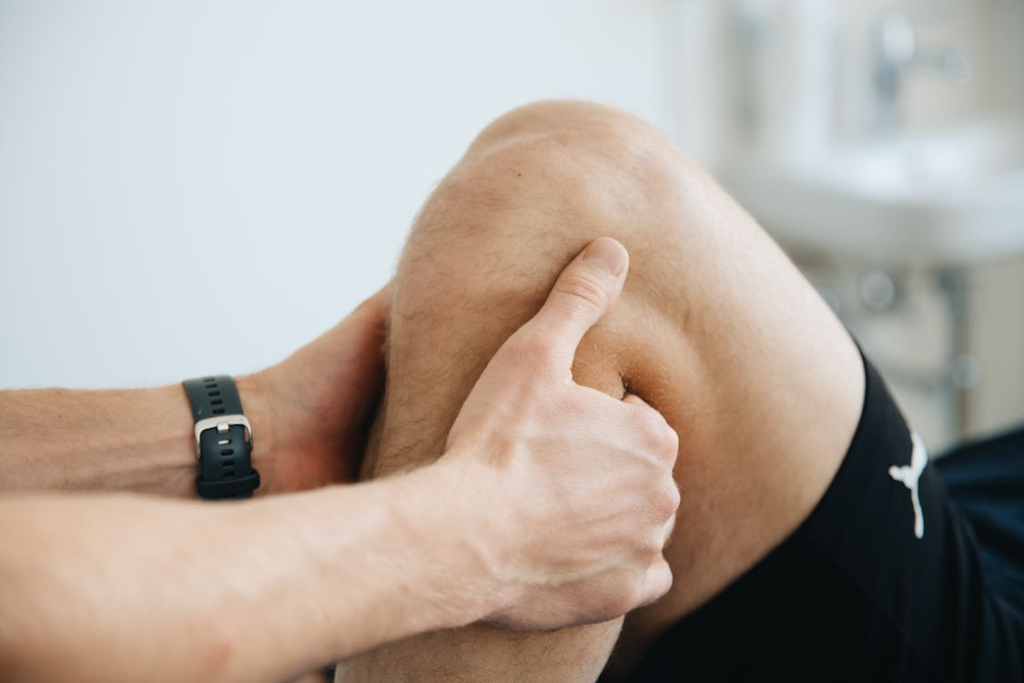
A good fitness routine asks a lot from your body. Strength training, cardio, long workdays, poor sleep, and everyday stress can all leave you feeling physically worn down. Recovery gives your body time to catch up, and it does not always have to mean spending an entire day on the couch. Massage and sauna sessions can complement an active lifestyle by giving you dedicated time to slow down, loosen up, and step away from the demands of your normal routine.
Make Recovery Part of Training
Exercise gets most of the attention in fitness conversations, but recovery deserves a place in the schedule too. You can compare gym equipment options, build a detailed training split, and track every workout, but your body still needs adequate downtime between demanding sessions. Massage can be one way to make that recovery period more intentional.
Massage uses pressure and movement to work muscles and surrounding soft tissues. Depending on the technique and intensity, a session may help ease temporary muscle tension and promote relaxation after training. This can be particularly appealing for people whose workouts involve repetitive movements, heavy lifting, running, or other activities that leave certain muscle groups feeling tight.
Scheduling recovery also creates a natural boundary between pushing your body and giving it time to rest. Instead of treating rest as what happens when you cannot squeeze in another workout, you can make it a regular part of your fitness routine.
Give Your Muscles Some Attention
Muscle tightness does not only happen after a tough workout. Sitting at a computer, driving for hours, carrying kids, traveling, and even spending too much time looking down at a phone can leave the neck, shoulders, back, and hips feeling tense. Massage provides focused attention to areas that may feel stiff or overworked.
Different massage techniques offer different levels of pressure. Someone looking primarily for relaxation may prefer lighter pressure, while another person may want more focused work on areas that feel especially tight. Communication matters. Letting the massage therapist know about your preferences, recent workouts, and sensitive areas can help make the session more comfortable and useful.
Massage should not replace medical evaluation for an injury or persistent pain. For ordinary post-workout soreness and muscle tension, however, it can fit naturally alongside stretching, hydration, sleep, and rest days.
Try More Focused Bodywork
Sometimes general relaxation is not the main goal. Deep tissue techniques use slower movements and firmer pressure to target deeper layers of muscle and connective tissue. People often seek this type of massage when they want focused attention on persistent areas of tension rather than a lighter full-body session.
For someone looking for a deep tissue massage in NYC, LA or D.C., it helps to consider more than location and convenience. Look at the provider’s credentials, the types of massage offered, session lengths, and how clearly the business explains its approach. You should also be able to discuss pressure preferences and areas you want the therapist to avoid before the session begins.
More pressure is not automatically better. Deep tissue work can feel intense, but a session should remain within a tolerable range. Speaking up when the pressure feels excessive allows the therapist to adjust rather than turning the experience into an endurance test. Recovery is not another competition to win.
Use Heat to Unwind
Sauna sessions offer a different kind of recovery experience. Instead of manually working the muscles, a sauna exposes the body to heat for a limited period. The warmth can promote relaxation, and many people enjoy using a sauna after exercise or on recovery days as a way to transition out of workout mode.
Heat also increases sweating, which makes hydration particularly important. Drinking water before and after a sauna session can help replace fluids lost through sweat. Longer is not necessarily better, especially for someone who is new to sauna use. Starting with shorter sessions gives you a chance to see how your body responds.
A sauna can also create a rare stretch of time without screens, chores, emails, or workout metrics demanding your attention. That mental break may be part of the appeal. Fitness can become extremely numbers-driven, so having a recovery practice that does not require counting repetitions, miles, calories, or personal records can feel refreshing.
Build a Better Reset Routine
Massage and sauna sessions work best as additions to healthy recovery habits rather than substitutes for them. Sleep, nutrition, hydration, mobility work, and reasonable training loads still form the foundation. Adding massage or sauna sessions can give you another way to address physical tension while creating dedicated time to decompress.
You can also experiment with timing. Some people enjoy massage on a rest day, while others prefer it after several demanding workouts. Sauna sessions may feel good after moderate exercise or as a standalone recovery activity. Pay attention to how you feel afterward and adjust your routine rather than following an arbitrary schedule.
The goal is not to turn recovery into another complicated fitness project. A useful reset should leave you feeling restored and ready to return to your normal routine. Massage and sauna sessions offer two straightforward ways to make recovery feel less like an afterthought and more like part of taking care of your body.